February 2024 in “Pediatric Dermatology” A 5-year-old girl with a rare genetic disorder, lipoid proteinosis, showed reduced new lesions but persistent scars after avoiding skin trauma.
 28 citations
,
February 2010 in “British journal of dermatology/British journal of dermatology, Supplement”
28 citations
,
February 2010 in “British journal of dermatology/British journal of dermatology, Supplement” WNT10A mutations cause varied symptoms in patients with odonto-onycho-dermal dysplasia.
May 2015 in “European Journal of Paediatric Neurology” ECCL should be considered in patients with specific skin and eye lesions.
 February 2023 in “Research Square (Research Square)”
 Genetic testing confirmed a rare skin disorder in a young girl, which improved with zinc supplementation.
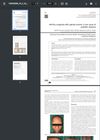
This rare genetic disorder causes permanent hair loss and skin bumps from birth.
 September 2022 in “IP Indian journal of clinical and experimental dermatology”
 An 8-year-old girl has a rare genetic disorder causing complete, irreversible hair loss and skin bumps.
5 citations
,
May 2014 in “Clinical and Experimental Dermatology” Mutations in the desmoplakin gene can cause hair problems and deadly heart disease.
 September 2019 in “Journal of Investigative Dermatology”
 Scientists used stem cells to create a model of the skin disease Epidermolysis Bullosa simplex, which helped them understand its molecular mechanisms and could aid in finding treatments.
 5 citations
,
January 2017 in “Anais brasileiros de dermatologia/Anais Brasileiros de Dermatologia”
5 citations
,
January 2017 in “Anais brasileiros de dermatologia/Anais Brasileiros de Dermatologia” Porokeratotic eccrine and hair follicle nevus is a very rare skin disorder possibly caused by a GJB2 gene mutation.
November 2023 in “Вопросы современной педиатрии” Genetic testing can diagnose hair loss linked to DSG4 gene variants.
9 citations
,
April 1985 in “Archives of Dermatology” Recognizing the "bamboo hair defect" is crucial for diagnosing Netherton's syndrome.
11 citations
,
March 2004 in “Journal of Comparative Pathology” Norfolk Terriers have a genetic skin defect causing scaling and blisters due to a keratin issue.
7 citations
,
January 2013 in “Indian dermatology online journal” A rare skin condition with dark, thick, warty patches and some hair loss was found in a newborn boy.
5 citations
,
June 2014 in “Der Hautarzt” Genetic testing can identify causes of rare hair loss disorders in children, but no treatments exist.
 2 citations
,
March 2022 in “Portuguese Journal of Nephrology & Hypertension”
2 citations
,
March 2022 in “Portuguese Journal of Nephrology & Hypertension” A rare EGFR mutation in newborns leads to severe health issues and early death.

A new AIRE gene mutation causes rare autoimmune symptoms in a Lebanese boy.
February 2026 in “Immunity Inflammation and Disease” Recognizing unusual skin, eye, or hair issues can help diagnose immune system disorders early, especially in children.
June 2026 in “Clinical Case Reports” Topical minoxidil and tretinoin improved hair growth in a girl with EDSS1 over two years.
November 2025 in “Journal of Investigative Dermatology” KLHL24-mutant stem cells help understand skin and heart disease.
6 citations
,
January 2015 in “Indian Dermatology Online Journal” PEODDN is a rare skin disorder with limited treatment options, best treated with laser therapy.
 June 2024 in “British Journal of Dermatology”
 KRT14 gene variants cause dermatopathia pigmentosa reticularis, affecting nails, teeth, and hair.
 18 citations
,
August 2018 in “The FASEB journal”
18 citations
,
August 2018 in “The FASEB journal” Rabbits lacking the Hoxc13 gene show similar hair and skin issues to humans with ECTD-9, making them good for research on this condition.
14 citations
,
May 2017 in “Journal of Investigative Dermatology” A rare gene mutation causes skin fragility and itching without affecting hair or nails.
January 2007 in “Bristol Research (University of Bristol)” Epidermolysis bullosa in UK calves is not caused by mutations in keratin genes.
75 citations
,
January 2004 in “Molecular and Cellular Biology” XEDAR deficiency prevents muscle degeneration in EDA-A2 transgenic mice.
69 citations
,
May 2002 in “Journal of Investigative Dermatology” Congenital atrichia with papular lesions is often misdiagnosed, and new diagnostic criteria can improve accuracy.
66 citations
,
December 1999 in “Journal of Investigative Dermatology” New mutations in the hairless gene may cause hair loss and affect bone development.
 30 citations
,
June 2021 in “British Journal of Dermatology”
30 citations
,
June 2021 in “British Journal of Dermatology” Mutations in the WNT10A gene can cause skin, hair, teeth, and other disorders, and may also affect other areas like kidney and cancer, with potential for targeted treatments.
175 citations
,
August 1997 in “Nature Genetics” 6 citations
,
January 2022 in “BMC Medical Genomics” Different gene mutations cause different types of ichthyosis, with some new mutations found.