A specific gene mutation causes monilethrix in this family, and minoxidil treatment improves hair condition.

Baldness is often hereditary and linked to male hormones, becoming noticeable when half the hair is lost.
 January 2017 in “Journal of traditional medicine & clinical naturopathy”
 Combining trichology and homeopathy is effective for diagnosing and treating hair loss.

Finasteride treatment slows down hair loss, boosts hair growth, and may increase hair thickness or length, but it can cause side effects like decreased libido and depression in less than 1% of people.
 July 2010 in “Journal of Investigative Dermatology”
 Scientists found gene mutations that affect hair loss, skin stem cells, and skin disorders, and identified drugs that may help treat blood vessel and skin conditions.
 June 2010 in “Expert Review of Dermatology”
 Scientists found key proteins and genes that affect skin and hair health, and identified potential new treatments for hair loss, skin disorders, and wound healing.
June 2009 in “Mayo Clinic Proceedings” A woman was diagnosed with porphyria cutanea tarda and improved with phlebotomy and lifestyle changes.
 June 2008 in “Springer eBooks”
 The document concludes that permanent hair loss conditions are complex, require early specific treatments, and "secondary permanent alopecias" might be a more accurate term than "secondary cicatricial alopecia."
 April 2008 in “Expert review of dermatology”
 Mutations in the P2RY5 gene cause hereditary woolly hair.
 June 2006 in “Annales de Dermatologie et de Vénéréologie”
 Tranexamic acid effectively reduced swelling episodes in a girl with a rare form of hereditary angioneurotic edema.
 January 1961 in “The Journal of Anthropological Society of Nippon”
 Hair form in mixed-blood families varies due to hereditary twist-knots and pigment formation.
 July 1996 in “College & Research Libraries News”
 Male pattern baldness is mostly hereditary and treated with varying success.
 October 2010 in “Mayo Clinic women's healthsource”
 Dr. Rochelle Torgerson says female-pattern hair loss is often hereditary, starts after puberty, and can be slowed with treatments like Minoxidil. It can also indicate other health issues.

Androgenetic alopecia (AGA) is a common, hereditary hair loss condition that can be slowed but not permanently reversed with available therapies.
 September 1997 in “Journal of The European Academy of Dermatology and Venereology”
 Hormonal differences affect male pattern baldness.
 3 citations
,
February 1990 in “Contact Dermatitis”
3 citations
,
February 1990 in “Contact Dermatitis” Contact dermatitis may speed up hair loss in some cases.
April 2026 in “Canadian Medical Association Journal” Female pattern hair loss is common and increases with age.
 May 2025 in “InnovAiT Education and inspiration for general practice”
 Male pattern hair loss is common, affects mental health, and can be treated with medication or hair transplants.
Most students know the causes of hair loss, but many wrongly think heredity isn't one.
December 2003 in “The journal of investigative dermatology/Journal of investigative dermatology” Glycerol may improve wound healing and prevent keloids, a device can measure itch intensity, male pattern baldness is highly heritable, and fumaric acid esters may work for psoriasis by causing cell death in T cells.
September 2013 in “International Journal of Dermatology and Venereology” Effective treatments for hair loss are a major focus in dermatology.
January 2010 in “International Journal of Dermatology and Venereology” Dermal papilla cells play a key role in hair loss by responding to androgens.
 55 citations
,
June 2006 in “Central European Journal of Public Health”
55 citations
,
June 2006 in “Central European Journal of Public Health” Hair loss in older men is linked to higher rates of diabetes and high blood pressure.
3 citations
,
February 2018 in “Experimental and Molecular Medicine/Experimental and molecular medicine” A protein called PCBP2 controls the production of a hair growth protein by interacting with its genetic message and is linked to hair loss when this control is disrupted.
 January 2025 in “Clinical Cosmetic and Investigational Dermatology”
 Genetic testing is crucial for diagnosing rare hair loss disorders.
 July 2019 in “Journal der Deutschen Dermatologischen Gesellschaft”
 A mother and daughter have a rare genetic hair loss disorder with no effective treatment.
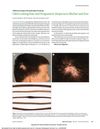 May 2014 in “JAMA Dermatology”
 Mother and son diagnosed with a rare genetic hair loss condition with no effective treatment.

Polarized microscopy helps identify hair irregularities in genetic disorders.
 1 citations
,
July 2018 in “Elsevier eBooks”
1 citations
,
July 2018 in “Elsevier eBooks” Heredity and hormones cause common hair loss, and topical minoxidil is the first recommended treatment.
January 2008 in “Padua Research Archive (University of Padua)” Hereditary factors affect acne duration, not severity, and late-onset acne in females has different causes.