 14 citations
,
July 1987 in “Contact Dermatitis”
14 citations
,
July 1987 in “Contact Dermatitis” Minoxidil can cause allergic skin reactions in some users.
 45 citations
,
November 1979 in “British Journal of Dermatology”
45 citations
,
November 1979 in “British Journal of Dermatology” Minoxidil causes excessive hair growth in almost all patients.
1 citations
,
October 1988 in “Archives of Dermatology” Minoxidil's hair growth benefits may decrease over time.
 April 2024 in “Journal of cosmetic dermatology”
 Minoxidil is less effective on eyebrows and eyelashes than scalp hair because these areas have lower enzyme activity needed to activate the drug.
 34 citations
,
February 1999 in “Journal of Dermatological Science”
34 citations
,
February 1999 in “Journal of Dermatological Science” Minoxidil boosts enzymes that help hair growth.
 9 citations
,
April 2018 in “JAMA Dermatology”
9 citations
,
April 2018 in “JAMA Dermatology” Topical minoxidil improves hair loss in 80% of women with breast cancer undergoing endocrine therapy.
 34 citations
,
January 1987 in “Dermatology”
34 citations
,
January 1987 in “Dermatology” Topical minoxidil effectively and safely treats extensive alopecia areata but doesn't change its course.
The new minoxidil gel reduces runoff and improves eyebrow hair growth.
 3 citations
,
May 2022 in “Journal of The American Academy of Dermatology”
3 citations
,
May 2022 in “Journal of The American Academy of Dermatology” The conclusion is that 24 weeks of low-dose oral minoxidil is safe for men with hair loss, with no significant changes in heart rate or blood pressure.
 22 citations
,
July 2006 in “Indian Journal of Pharmaceutical Sciences”
22 citations
,
July 2006 in “Indian Journal of Pharmaceutical Sciences” Minoxidil gels with higher concentrations are more stable and effective for treating hair loss.
March 2025 in “International Journal of Trichology” Oral minoxidil improved hair thickness in a person with monilethrix.
 March 2025 in “BioNanoScience”
 The new minoxidil hydrogel improves delivery and is safe for treating hair loss.
7 citations
,
August 2024 in “JAAD reviews.” Minoxidil can cause unwanted hair growth, so personalized care and support are important.
13 citations
,
March 1983 in “International Journal of Dermatology” Minoxidil caused red hair to grow on a man's temples.
 5 citations
,
July 2020 in “JAMA Dermatology”
5 citations
,
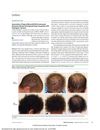
July 2020 in “JAMA Dermatology” Minoxidil solution applied twice daily improved hair growth in patients with Woolly Hair/Hypotrichosis due to LIPH gene issues, with mild side effects.
November 2022 in “Al-Azhar International Medical Journal (Print)” Combining 5% spironolactone and 5% minoxidil is safe and more effective for treating hair loss.
August 2022 in “Journal of The European Academy of Dermatology and Venereology”  13 citations
,
November 2013 in “The Journal of Dermatology”
13 citations
,
November 2013 in “The Journal of Dermatology” Minoxidil 2% lotion is safe and effective for making eyebrows thicker and fuller.
17 citations
,
July 1988 in “International Journal of Dermatology” Men using minoxidil felt better about hair loss and self-esteem than those using a placebo.
 7 citations
,
January 1990 in “Clinical and Experimental Dermatology”
7 citations
,
January 1990 in “Clinical and Experimental Dermatology” Hair loss gradually happens, and minoxidil helps regrow hair.
 April 2024 in “Journal of endocrinological investigation”
 Topical minoxidil helps transgender individuals assigned female at birth grow more facial hair.
January 2026 in “Dermatologic Therapy” Combining microneedling with 5% minoxidil is a safe and effective treatment for female pattern hair loss, promoting significant hair regrowth.
 21 citations
,
January 2007 in “Australasian Journal of Dermatology”
21 citations
,
January 2007 in “Australasian Journal of Dermatology” Spironolactone and minoxidil together effectively treat female pattern hair loss.
 July 2024 in “Journal of Investigative Dermatology”
 Most women continued using oral minoxidil for hair loss despite mild to moderate side effects.
 August 2023 in “Journal of The American Academy of Dermatology”
 Low-dose oral minoxidil is safe for treating hair loss, especially in women, with side effects stopping after use ends.
 17 citations
,
April 2002 in “Contact Dermatitis”
17 citations
,
April 2002 in “Contact Dermatitis” Minoxidil 5% caused skin discoloration in a man using it for hair loss.
 45 citations
,
January 1981 in “Annals of Internal Medicine”
45 citations
,
January 1981 in “Annals of Internal Medicine” Minoxidil controls blood pressure effectively, but may cause side effects like hypertrichosis.
 31 citations
,
October 2002 in “Dermatologic Surgery”
31 citations
,
October 2002 in “Dermatologic Surgery” Minoxidil helps stabilize hair loss, increase density, and reduce shedding after hair transplant surgery.
 March 2024 in “International Journal of Pharmaceutics”
 Ginsenoside Rg3 combined with minoxidil was more effective in treating hair loss in mice.
 25 citations
,
November 1987 in “British Journal of Dermatology”
25 citations
,
November 1987 in “British Journal of Dermatology” Minoxidil didn't increase scalp blood flow for hair growth, but hexyl nicotinate did.