January 2008 in “HAL (Le Centre pour la Communication Scientifique Directe)” The mutant HR bmh protein affects hair follicle formation by failing to repress vitamin D receptor activity.
37 citations
,
January 1993 in “Journal of Investigative Dermatology” 20 citations
,
October 1995 in “Biochimica et Biophysica Acta (BBA) - Gene Structure and Expression” hHb1, hHb3, and hHb6 mRNAs start expressing at the same time in hair follicles.
 January 2018 in “bioRxiv (Cold Spring Harbor Laboratory)”
 Researchers found key regions in the mouse hairless gene that control its activity in skin and brain cells, affecting hair follicle function.
 48 citations
,
July 2008 in “Acta Biochimica et Biophysica Sinica”
48 citations
,
July 2008 in “Acta Biochimica et Biophysica Sinica” Wnt signaling is important for development and cell regulation but can cause diseases like cancer when not working properly.
 25 citations
,
January 2019 in “Annals of Dermatology”
25 citations
,
January 2019 in “Annals of Dermatology” Blocking the NOTCH pathway can prevent fibrosis in systemic sclerosis.
 12 citations
,
May 2001 in “British journal of dermatology/British journal of dermatology, Supplement”
12 citations
,
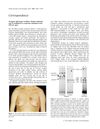
May 2001 in “British journal of dermatology/British journal of dermatology, Supplement” A rare benign skin tumor showed unusual features of sebaceous and sweat glands, important for correct diagnosis.
 7 citations
,
October 2020 in “Wiener medizinische Wochenschrift”
7 citations
,
October 2020 in “Wiener medizinische Wochenschrift” THA is a rare condition with no significant clinical consequences if thyroid function is normal.
 42 citations
,
July 2014 in “Journal of biological chemistry/The Journal of biological chemistry”
42 citations
,
July 2014 in “Journal of biological chemistry/The Journal of biological chemistry” Heparan sulfate is important for hair growth, preventing new hair formation in mature skin, and controlling oil gland development.
2 citations
,
September 2017 in “Journal of Investigative Dermatology” Notch1 signaling is impaired in hidradenitis suppurativa, affecting skin and hair cells.
 November 2022 in “The journal of investigative dermatology/Journal of investigative dermatology”
 Skin organoids with NCSTN mutation show changes in hair follicle development and higher inflammation, key features of Hidradenitis Suppurativa.
15 citations
,
May 2017 in “Journal of Cellular Biochemistry” The hairless protein is important for skin, hair, and may influence cancer development.
November 2022 in “Journal of Investigative Dermatology” NCSTN gene mutation causes abnormal skin cell differentiation and more inflammation, contributing to Hidradenitis Suppurativa.
31 citations
,
October 1992 in “PubMed” A mycobacterial protein shares a similar region with a human skin protein, possibly affecting skin diseases.
 1 citations
,
April 2017 in “Journal of Investigative Dermatology”
1 citations
,
April 2017 in “Journal of Investigative Dermatology” A new one-step test can quickly identify skin cancer during surgery.
 9 citations
,
May 2019 in “Experimental Cell Research”
9 citations
,
May 2019 in “Experimental Cell Research” HPV genes and estradiol increase a cancer-related signaling pathway, which may be targeted for cervical cancer treatment.
4 citations
,
December 2022 in “Skin Research and Technology” Reduced Sonic hedgehog signaling leads to increased HPV replication and wart formation.
 9 citations
,
July 2008 in “Oncology Reports”
9 citations
,
July 2008 in “Oncology Reports” HPV16-transformed cells can change human skin cell properties, aiding tumor growth.
July 2016 in “Cancer research” Mutant cells in hair follicles are influenced by their location and interactions with surrounding cells.
 2 citations
,
January 2011 in “Dental Medicine Research”
2 citations
,
January 2011 in “Dental Medicine Research” Keratin 75 might be important in oral cancer progression.
30 citations
,
June 1993 in “The Journal of Cell Biology” The oncoprotein causes abnormal hair growth without increasing skin cancer risk.
 January 2006 in “Advances in developmental biology”
 The Hairless gene is crucial for healthy skin and hair growth.
5 citations
,
September 2021 in “Journal of Molecular Histology” LHX2, with other markers, can identify hair placodes in rats.
33 citations
,
August 2008 in “American Journal Of Pathology” Hedgehog signaling is essential for normal sebaceous gland development and affects keratin 6a expression.
 178 citations
,
October 2001 in “Genes & Development”
178 citations
,
October 2001 in “Genes & Development” The mutated hairless gene causes hair loss by acting as a new type of corepressor affecting thyroid hormone receptors.
9 citations
,
June 1999 in “Journal of Investigative Dermatology” The HPV type 11 region activates hair-specific gene expression in mice.
126 citations
,
October 1998 in “Experimental Dermatology” The hr gene is crucial for skin and hair health, with mutations causing hair disorders.
19 citations
,
July 1997 in “British Journal of Dermatology” LHTric-1 is a specific antibody useful for studying hair and nail formation.
10 citations
,
October 2000 in “PubMed” E6/E7 oncogenes in hair follicles cause continuous hair growth by skipping the resting phase.
 34 citations
,
June 2008 in “In vitro cellular & developmental biology. Animal”
34 citations
,
June 2008 in “In vitro cellular & developmental biology. Animal” Scientists created a long-lasting stem cell line from human hair that can turn into different skin and hair cell types.