 62 citations
,
April 2013 in “Steroids”
62 citations
,
April 2013 in “Steroids” PCOS symptoms change with age; younger women have higher androgen levels and less metabolic issues, while older women face more metabolic challenges despite milder PCOS symptoms.
 43 citations
,
May 1988 in “British Journal of Dermatology”
43 citations
,
May 1988 in “British Journal of Dermatology” Patients with acanthosis nigricans often have insulin resistance and signs of increased male hormones, but treatment targeting these male hormones is generally ineffective.
 39 citations
,
September 2000 in “Obstetrics and Gynecology Clinics of North America”
39 citations
,
September 2000 in “Obstetrics and Gynecology Clinics of North America” Insulin-lowering medications show promise for PCOS symptoms but can't be the main treatment yet due to limited long-term research.
 38 citations
,
June 2004 in “Human Reproduction”
38 citations
,
June 2004 in “Human Reproduction” The document suggests that clinical trials for PCOS should focus on meaningful primary outcomes like live birth rates, rather than less reliable surrogate markers.
 34 citations
,
January 2011 in “Fundamental & Clinical Pharmacology”
34 citations
,
January 2011 in “Fundamental & Clinical Pharmacology” New treatments for PCOS show promise, but no current medication treats all aspects of the condition.
 22 citations
,
June 2017 in “Advances in Clinical and Experimental Medicine”
22 citations
,
June 2017 in “Advances in Clinical and Experimental Medicine” Polycystic ovary syndrome (PCOS) was first described in 1721, officially diagnosed in the 1990s, and is now known to be partly genetic and linked to insulin resistance, with increased risk of cardiovascular disease and carbohydrate metabolism issues.
 18 citations
,
February 2014 in “PubMed”
18 citations
,
February 2014 in “PubMed” Androgenetic alopecia is a common hair loss condition caused by testosterone effects on hair follicles, leading to thinner, shorter, and less pigmented hair, diagnosed using scalp dermoscopy and treated with topical minoxidil, antiandrogen agents, and 5-alpha reductase inhibitors.
15 citations
,
September 1973 in “PubMed” High androgen levels often cause female hirsutism and infertility.
 12 citations
,
January 2009 in “Gynecological Endocrinology”
12 citations
,
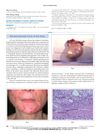
January 2009 in “Gynecological Endocrinology” A postmenopausal woman's hair loss and excess hair growth improved after surgery for ovarian hyperthecosis.
 11 citations
,
August 2019 in “The Journal of Sexual Medicine”
11 citations
,
August 2019 in “The Journal of Sexual Medicine” Women with nonclassic congenital adrenal hyperplasia experience more sexual dysfunction and distress.
 9 citations
,
May 2008 in “Journal of Clinical Oncology”
9 citations
,
May 2008 in “Journal of Clinical Oncology” A woman's ovarian tumor causing high testosterone was successfully removed, and her symptoms improved.
 9 citations
,
November 1993 in “Journal of The American Academy of Dermatology”
9 citations
,
November 1993 in “Journal of The American Academy of Dermatology” Some men can have female pattern baldness without hormonal abnormalities or signs of feminization.
 8 citations
,
April 2017 in “Medical Hypotheses”
8 citations
,
April 2017 in “Medical Hypotheses” Men with early balding may have hormonal imbalances similar to women with PCOS and could benefit from similar treatments.
 6 citations
,
March 1982 in “Clinical and Experimental Dermatology”
6 citations
,
March 1982 in “Clinical and Experimental Dermatology” The document says that hair loss in women is often due to androgenic alopecia, similar to male baldness, and that hirsutism is treated with hormonal and cosmetic methods.
 5 citations
,
December 2004 in “Dermatology”
5 citations
,
December 2004 in “Dermatology” Two women with very high androgen levels had only slight skin issues, one due to a non-classical adrenal disorder and the other due to an adrenal tumor.
 4 citations
,
June 2019 in “Revista brasileira de ginecologia e obstetrícia”
4 citations
,
June 2019 in “Revista brasileira de ginecologia e obstetrícia” Using only hyperandrogenism to diagnose PCOS can lead to overdiagnosis.
 4 citations
,
January 2019 in “PubMed”
4 citations
,
January 2019 in “PubMed” Patterned hair loss in women is linked to hormonal imbalances and biochemical changes, and should be evaluated for underlying health issues.
 3 citations
,
May 2023 in “Biomedicines”
3 citations
,
May 2023 in “Biomedicines” PCOS causes infertility mainly due to hormonal imbalances, insulin resistance, and chronic inflammation.
 3 citations
,
May 1990 in “Journal of Steroid Biochemistry”
3 citations
,
May 1990 in “Journal of Steroid Biochemistry” Some women with excess hair growth have a hormone condition that can't be diagnosed by blood or urine tests alone.
 2 citations
,
November 2025 in “Journal of Ovarian Research”
2 citations
,
November 2025 in “Journal of Ovarian Research” Reducing granulosa cell pyroptosis may improve oocyte maturation in PCOS.
 2 citations
,
April 2021 in “Reproductive health of woman”
2 citations
,
April 2021 in “Reproductive health of woman” Most women with polycystic ovary syndrome (PCOS) have menstrual issues, infertility, acne, and excessive body hair, with the most common type being the non-androgenic phenotype.
 2 citations
,
June 2017 in “Journal of The American Academy of Dermatology”
2 citations
,
June 2017 in “Journal of The American Academy of Dermatology” The type of PCOS a woman has doesn't strongly predict her skin or metabolic symptoms; obesity is a more important factor.
 2 citations
,
September 2009 in “Nurse Prescribing”
2 citations
,
September 2009 in “Nurse Prescribing” PCOS affects many women, causing various symptoms and health risks, and is managed through lifestyle changes, medication, and support groups.
 2 citations
,
May 1999 in “PubMed”
2 citations
,
May 1999 in “PubMed” Hyperandrogenism in women can cause acne, hair growth, hair loss, irregular periods, and increase the risk of infertility and diabetes.
 2 citations
,
September 2004 in “Fertility and sterility”
2 citations
,
September 2004 in “Fertility and sterility” High androgen levels can cause excessive hair growth and may indicate serious health issues, including heart disease and fertility problems.
 1 citations
,
September 2020 in “Endocrinology, Diabetes & Metabolism Case Reports”
1 citations
,
September 2020 in “Endocrinology, Diabetes & Metabolism Case Reports” The conclusion is that thorough investigation of hypertension and hormonal dysfunctions is important, and there may be a link between these conditions and cancer.
 1 citations
,
April 2019 in “Endokrynologia Polska”
1 citations
,
April 2019 in “Endokrynologia Polska” Healthy diet and exercise are important for women with PCOS to manage weight and metabolic issues, and supplements like omega-3, vitamin D, and inositol may help.
 1 citations
,
February 2018 in “InTech eBooks”
1 citations
,
February 2018 in “InTech eBooks” PCOS in lean women is a serious health condition with implications beyond fertility, affecting metabolism and increasing cardiovascular disease risk.
 1 citations
,
November 2015 in “European medical journal”
1 citations
,
November 2015 in “European medical journal” Acne is common and can be linked to various systemic health conditions and syndromes.
 1 citations
,
June 2019 in “Innovare journal of medical sciences”
1 citations
,
June 2019 in “Innovare journal of medical sciences” Polycystic Ovary Syndrome (PCOS) is a hormonal disorder in women that can cause infertility and other health issues, and it may be improved by treatments that increase insulin sensitivity.