 3 citations
,
June 2023 in “Journal of dermatological treatment”
3 citations
,
June 2023 in “Journal of dermatological treatment” Regrowing scalp hair improves quality of life and reduces anxiety and depression in severe alopecia areata patients.
38 citations
,
March 2021 in “JAMA Dermatology” People often have negative attitudes toward those with alopecia, especially if it's severe or seen as a medical issue.
29 citations
,
December 2022 in “Dermatology and Therapy” Emotional symptoms from alopecia areata reduce work productivity and daily activity.
 8 citations
,
May 2025 in “Dermatology and Therapy”
8 citations
,
May 2025 in “Dermatology and Therapy” Local corticosteroids can help with alopecia areata, but hair loss often returns after stopping treatment.
 7 citations
,
October 2022 in “Advances in Therapy”
7 citations
,
October 2022 in “Advances in Therapy” Current treatments for Alopecia Areata are unsatisfactory and need improvement.
8 citations
,
April 2022 in “Urology Practice” Patients should consult urologists for evidence-based erectile dysfunction treatments.
 May 2026 in “Journal of Dermatological Treatment”
 Patients with alopecia areata prefer treatments that regrow scalp hair quickly over how often they need to take the medication.
 August 2025 in “Dermatology and Therapy”
 JAK inhibitors show promise for treating alopecia areata but have serious side effects.
 November 2024 in “Journal of the European Academy of Dermatology and Venereology”
 Long-term baricitinib treatment can lead to significant scalp hair regrowth in patients initially showing only eyebrow or eyelash regrowth.
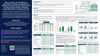 November 2025 in “SKIN The Journal of Cutaneous Medicine”
 Upadacitinib effectively treats severe alopecia areata and is safe.
 42 citations
,
December 2015 in “International Journal of Clinical Pharmacology and Therapeutics”
42 citations
,
December 2015 in “International Journal of Clinical Pharmacology and Therapeutics” The 0.25% finasteride solution, when applied once a day, effectively reduces scalp DHT, potentially minimizing sexual side-effects linked to a systemic DHT reduction.
26 citations
,
June 1988 in “PubMed” 3% topical minoxidil is ineffective for severe chronic alopecia areata.
1 citations
,
October 2025 in “International Journal of Dermatology” Ritlecitinib improves emotional well-being and activity levels in alopecia areata patients.
 50 citations
,
July 2014 in “International Journal of Clinical Pharmacology and Therapeutics”
50 citations
,
July 2014 in “International Journal of Clinical Pharmacology and Therapeutics” New finasteride solution effectively reduces baldness-causing hormone, potentially with fewer side effects.
 36 citations
,
September 2018 in “American Journal of Clinical Dermatology”
36 citations
,
September 2018 in “American Journal of Clinical Dermatology” Combination of 0.25% finasteride and 3% minoxidil works better than just 3% minoxidil for increasing hair thickness in women.
 43 citations
,
July 2018 in “Journal of The European Academy of Dermatology and Venereology”
43 citations
,
July 2018 in “Journal of The European Academy of Dermatology and Venereology” Finasteride and minoxidil mix works better for hair growth than minoxidil alone, with similar safety.
 March 2023 in “International Journal of Trichology”
 Using both minoxidil and finasteride together is more effective for male hair loss than using either one alone.
 2 citations
,
February 2019 in “bioRxiv (Cold Spring Harbor Laboratory)”
2 citations
,
February 2019 in “bioRxiv (Cold Spring Harbor Laboratory)” The Asiatic lion has very low genetic diversity and unique genetic traits, highlighting the need for its conservation.
June 2018 in “American journal of biomedicine” Topical finasteride cream reduces hair growth perception in women with idiopathic hirsutism.
September 2025 in “Journal of the American Academy of Dermatology”  58 citations
,
July 1986 in “Journal of The American Academy of Dermatology”
58 citations
,
July 1986 in “Journal of The American Academy of Dermatology” Lowest effective minoxidil concentration is 1%, but 2% works better for male pattern baldness.
3 citations
,
November 2005 in “Journal of Research in Medical Sciences” Finasteride cream didn't significantly reduce hair more than a placebo, but users felt it helped.
January 2021 in “Asian Journal of Research in Dermatological Science”  6 citations
,
October 2012 in “PubMed”
6 citations
,
October 2012 in “PubMed” The combined treatment of 3% minoxidil and 0.1% finasteride is more effective in improving hair loss than 3% minoxidil alone, with similar side effects.
 2 citations
,
October 2020 in “The Journal of clinical and aesthetic dermatology”
2 citations
,
October 2020 in “The Journal of clinical and aesthetic dermatology” The herbal mix (Biochanin A, Acetyl tetrapeptide-3, and Ginseng Extracts) and the 3% Minoxidil solution are equally effective in treating hair loss, but the herbal mix has fewer side effects.
 November 2023 in “Annales de dermatologie et de vénéréologie, FMC”
 Baricitinib effectively treats severe alopecia for up to 104 weeks.
 3 citations
,
October 1988 in “Clinics in Dermatology”
3 citations
,
October 1988 in “Clinics in Dermatology” Using 3% topical minoxidil can help women with hair loss, but more research is needed.
2 citations
,
June 2024 in “Journal of the American Academy of Dermatology” Patients and clinicians generally agree on eyebrow and eyelash hair loss improvements in severe alopecia areata.
 April 2024 in “Pharmacoepidemiology and drug safety (Print)”
 The algorithm accurately identified alopecia in women of childbearing age using claims data.
March 2012 in “DOAJ (DOAJ: Directory of Open Access Journals)” Topical finasteride didn't significantly reduce facial hair, but patients felt it helped.