 January 2009 in “Folia Pharmacologica Japonica”
 Finasteride and minoxidil are the main effective treatments for hair loss from androgenetic alopecia.
 3 citations
,
August 2021 in “Clinics in Dermatology”
3 citations
,
August 2021 in “Clinics in Dermatology” Minoxidil is the main over-the-counter treatment for hair loss, with other options like finasteride, latanoprost, retinoic acid, antioxidants, biotin, nutraceuticals, and platelet-rich plasma therapy also showing promise.
3 citations
,
July 1988 in “International Journal of Dermatology” Minoxidil is safe and effective for treating early male pattern baldness.
 June 2023 in “Journal of Cosmetic Dermatology”
 Finasteride 5mg daily is the most effective for female pattern hair loss, with higher doses of treatments generally more effective.
17 citations
,
July 1988 in “International Journal of Dermatology” Men using minoxidil felt better about hair loss and self-esteem than those using a placebo.
 25 citations
,
January 2002 in “Folia Pharmacologica Japonica”
25 citations
,
January 2002 in “Folia Pharmacologica Japonica” Minoxidil helps hair grow by improving blood flow and increasing growth factors in hair follicles.
 13 citations
,
June 2016 in “Dermatologic Therapy”
13 citations
,
June 2016 in “Dermatologic Therapy” Minoxidil works better when applied on a damp scalp than a dry one.
1 citations
,
July 2016 in “PubMed” Once-daily 5% minoxidil foam and twice-daily 2% minoxidil solution are similarly effective and safe for female pattern hair loss.
 November 2025 in “Zenodo (CERN European Organization for Nuclear Research)”
 PRP may be more effective and satisfying for hair regrowth than minoxidil, with similar safety.
 October 2024 in “International Journal of Dermatology”
 Oral and topical minoxidil are equally effective for hair loss, but oral minoxidil causes more unwanted hair growth.
 5 citations
,
October 1988 in “Clinics in Dermatology”
5 citations
,
October 1988 in “Clinics in Dermatology” Minoxidil promotes hair growth but exact mechanism is unknown.
 December 2018 in “Evidence-Based Practice”
 Topical minoxidil 1% and 2% are twice as effective as placebo for female pattern hair loss.
The document concludes that current hair loss treatments have limitations and suggests researching new treatments targeting different factors of hair loss.
 1 citations
,
August 2018 in “Journal of The American Academy of Dermatology”
1 citations
,
August 2018 in “Journal of The American Academy of Dermatology” Dutasteride and minoxidil mesotherapy effectively treats hair loss with minimal side effects.
10 citations
,
March 2004 in “Journal of the American Academy of Dermatology” The 5% minoxidil solution effectively treated hair loss with good tolerability.
 14 citations
,
August 2013 in “Facial Plastic Surgery Clinics of North America”
14 citations
,
August 2013 in “Facial Plastic Surgery Clinics of North America” Some nonsurgical hair loss treatments are effective, especially if started early.
 88 citations
,
January 2013 in “Indian Journal of Dermatology, Venereology and Leprology”
88 citations
,
January 2013 in “Indian Journal of Dermatology, Venereology and Leprology” Minoxidil and finasteride effectively treat hair loss.
 1 citations
,
July 2018 in “Elsevier eBooks”
1 citations
,
July 2018 in “Elsevier eBooks” Many treatments for hair loss show potential, but more testing is needed to confirm their effectiveness. Only minoxidil for women and minoxidil and finasteride for men are FDA approved.

Finasteride can help with hair loss but may cause mental health issues like depression and anxiety.
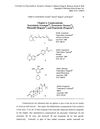
Isotretinoin and tazarotene help treat acne, while minoxidil and finasteride promote hair growth.
 50 citations
,
July 2014 in “International Journal of Clinical Pharmacology and Therapeutics”
50 citations
,
July 2014 in “International Journal of Clinical Pharmacology and Therapeutics” New finasteride solution effectively reduces baldness-causing hormone, potentially with fewer side effects.
 May 2026 in “Revista Ensaios Pioneiros”
 A topical solution with minoxidil and rosemary oil may help treat hair loss.
 April 2017 in “Journal of Investigative Dermatology”
 Using a stimulating cream shampoo before applying Minoxidil increases its penetration into hair follicles and scalp.
 34 citations
,
February 1999 in “Journal of Dermatological Science”
34 citations
,
February 1999 in “Journal of Dermatological Science” Minoxidil boosts enzymes that help hair growth.
 January 2022 in “Experimental Dermatology”
 Minoxidil solution and foam both increase hair growth, but the solution works better than the foam.
Topical minoxidil and oral finasteride are effective treatments for androgenetic alopecia.
March 2021 in “Berkala Ilmu Kesehatan Kulit dan Kelamin” The best treatment for male pattern baldness is a combination of topical minoxidil and oral finasteride.
 6 citations
,
January 2017 in “Annals of Dermatology”
6 citations
,
January 2017 in “Annals of Dermatology” Combination of 17α-estradiol and minoxidil improves hair growth and reduces hair loss in most patients.
 November 2023 in “Current Dermatology Reports”
 Oral minoxidil is effective for various hair loss types and may improve male sexual function, but aspirin can reduce its effectiveness.
 3 citations
,
September 2019 in “Journal of The American Academy of Dermatology”
3 citations
,
September 2019 in “Journal of The American Academy of Dermatology” Low-dose oral minoxidil effectively treats mild-moderate male hair loss, alone or combined with other therapies.