 September 2025 in “Journal of the American Academy of Dermatology”
 Low-dose oral minoxidil may be a promising alternative to topical minoxidil for hair loss.
 September 2018 in “Dermatologic Therapy”
 Finasteride at 2.5mg/day may help postmenopausal women with hair loss.
 6 citations
,
August 1996 in “The Journal of Clinical Endocrinology and Metabolism”
6 citations
,
August 1996 in “The Journal of Clinical Endocrinology and Metabolism” MK-386 and finasteride together effectively reduce DHT levels, potentially treating acne and male pattern baldness.
 March 2005 in “Journal of The American Academy of Dermatology”
 The two lotions used day and night may be a good alternative to minoxidil for hair loss treatment with better cosmetic effects and tolerance.
 3 citations
,
April 2003 in “BJUI”
3 citations
,
April 2003 in “BJUI” Doxazosin alone or combined with finasteride improves prostate symptoms better than finasteride alone, without extra benefits.
 4 citations
,
October 2020 in “Toxicology Mechanisms and Methods”
4 citations
,
October 2020 in “Toxicology Mechanisms and Methods” Hesperidin protects rat testicles from finasteride damage and improves sperm health.
July 2026 in “Journal of the American Academy of Dermatology”  October 2023 in “Bioactive Materials”
 The new hair loss treatment combining nitric oxide and minoxidil in a special carrier is effective for hair regrowth.
 January 2025 in “Journal of Drugs in Dermatology”
 Oral minoxidil is easier to use and more satisfying for hair loss treatment than topical minoxidil.
May 2025 in “Reactions Weekly”  4 citations
,
January 2022 in “Skin appendage disorders”
4 citations
,
January 2022 in “Skin appendage disorders” Oral minoxidil may effectively treat hair loss from chemotherapy.
 6 citations
,
May 2012 in “Clinical and experimental dermatology”
6 citations
,
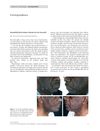
May 2012 in “Clinical and experimental dermatology” Oral minoxidil can cause inflamed, ingrown hairs in the beard area.
February 2026 in “Expert Opinion on Pharmacotherapy” Low-dose oral and topical minoxidil are recommended for managing hair loss in transplant patients, with specific dosing and timing guidelines.
December 2025 in “JMU Scholoraly Commons (James Madison University)” Combining PRP with minoxidil improves hair growth and satisfaction more than minoxidil alone.
 8 citations
,
January 2020 in “Journal of Cutaneous Medicine and Surgery”
8 citations
,
January 2020 in “Journal of Cutaneous Medicine and Surgery” Oral minoxidil may improve hair loss in men and women, but has some side effects.
 September 2023 in “Journal of The American Academy of Dermatology”
 Low-dose oral minoxidil may be effective for hair loss treatment.
 6 citations
,
January 2017 in “Annals of Dermatology”
6 citations
,
January 2017 in “Annals of Dermatology” Combination of 17α-estradiol and minoxidil improves hair growth and reduces hair loss in most patients.
 March 2026 in “Journal of Pakistan Association of Dermatologists”
 Low-dose oral minoxidil is more effective and convenient for treating male pattern baldness than topical minoxidil.
 7 citations
,
May 2015 in “Journal of The American Academy of Dermatology”
7 citations
,
May 2015 in “Journal of The American Academy of Dermatology” Finasteride helps treat frontal fibrosing alopecia, improving or stabilizing the condition in many patients.
 January 2024 in “Skin appendage disorders”
 Oral finasteride seems more effective for hair loss in postmenopausal women, but more research is needed.
4 citations
,
December 2012 in “PubMed”  36 citations
,
September 2018 in “Dermatologic Therapy”
36 citations
,
September 2018 in “Dermatologic Therapy” Oral minoxidil helps hair growth, is cost-effective, and mostly well-tolerated.
August 2003 in “药物不良反应杂志” Combining finasteride and terazosin can cause severe allergic reactions.
 May 2026 in “International Journal of Drug Delivery Technology”
 Combining Emblica officinalis with minoxidil significantly boosts hair growth.
 December 2023 in “International Journal of Biomedicine”
 Topical finasteride might help with male hair loss with fewer side effects than pills, but more research is needed.
March 1997 in “Fertility and sterility” Finasteride is an effective and well-tolerated treatment for hirsutism.

Low-dose oral and topical minoxidil are recommended for managing hair loss in transplant patients, with specific doses and precautions.
 1 citations
,
May 2017 in “Urologe A”
1 citations
,
May 2017 in “Urologe A” Using tamsulosin and finasteride together for benign prostatic syndrome has increased and shows improvement in symptoms, but more reliable comparisons are needed.
1 citations
,
September 2024 in “African Journal of Urology” Dutasteride is slightly better than finasteride for treating BPH but has fewer sexual side effects.
8 citations
,
October 2002 in “Journal Of Clinical Periodontology” Levamisole and finasteride can reduce DHT production, potentially preventing phenytoin-induced gum overgrowth.