 7 citations
,
March 2015 in “British Journal of Dermatology”
7 citations
,
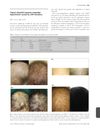
March 2015 in “British Journal of Dermatology” Applying minoxidil can help improve hair growth in people with hair loss caused by LIPH gene mutations.
 December 2017 in “Huisarts En Wetenschap”
 Finasteride helps hair growth in early male baldness, but more long-term research needed.

Bio-enhanced hair restoration improves hair growth.
 February 2025 in “Plastic and Aesthetic Research”
 Minoxidil and finasteride effectively promote hair regrowth within 3 months.
 1 citations
,
October 2023 in “International journal of Ayurveda and pharma research”
1 citations
,
October 2023 in “International journal of Ayurveda and pharma research” Herbal medications might be safer and more effective for hair loss than synthetic treatments.
1 citations
,
January 2017 in “Journal of Dermatology and Venereology” The plant extract and minoxidil both reduce hair loss by lowering specific gene expressions.

Minoxidil is the only approved cream for hair loss, but new treatments are being looked into.
 October 2025 in “Research Journal of Science and Technology”
 The herbal hair serum improves hair health naturally by hydrating, nourishing, and strengthening hair.
 January 2025 in “International Journal of Medical Arts”
 Topical sildenafil 1.0% may help increase hair count in female pattern hair loss.
 February 2024 in “Bangladesh pharmaceutical journal”
 The herbal hair oil increased hair growth and reduced hair fall for most users without significant side effects.
1 citations
,
January 2014 in “Jurnal Tata Rias” A hair tonic with equal parts avocado extract and honey is effective and preferred for preventing hair loss.
 May 2024 in “Tạp chí Y Dược học Cần Thơ”
 Natural remedies like grapefruit and rosemary may help hair regrowth.
 4 citations
,
August 2019 in “Actas Dermo-Sifiliográficas”
4 citations
,
August 2019 in “Actas Dermo-Sifiliográficas” The Spanish HSS-29 scale effectively measures changes in life quality due to female-pattern hair loss.
 11 citations
,
November 2005 in “Hair transplant forum international”
11 citations
,
November 2005 in “Hair transplant forum international” The document provides a method to avoid sudden hair loss after a hair transplant.
January 2026 in “Updates in clinical dermatology”  July 2024 in “International Journal of Dermatology Venereology and Leprosy Sciences”
 Minoxidil can help regrow hair in people with alopecia areata.
 16 citations
,
January 1986 in “Dermatology”
16 citations
,
January 1986 in “Dermatology” Using minoxidil lotion for hair regrowth in androgenetic alopecia has limited success and should be evaluated carefully.
 July 1989 in “British Journal of Dermatology”
 Minoxidil helps increase hair growth and density in people with hair loss, with higher concentrations giving better results.
 47 citations
,
December 2006 in “Therapy”
47 citations
,
December 2006 in “Therapy” The dietary supplement helped increase hair growth in women with hair loss.
 July 2011 in “Springer eBooks”
 The document concluded that FDA-approved treatments like minoxidil and finasteride are effective for hair loss, while the effectiveness of natural remedies and other non-approved treatments is not well-supported by evidence.
 1 citations
,
September 2021 in “Gynäkologische Endokrinologie”
1 citations
,
September 2021 in “Gynäkologische Endokrinologie” Hair loss has many causes, so treatment varies.
 August 1994 in “Drugs & Therapy Perspectives”
 Some drugs can cause hair loss or growth, but hair usually returns to normal after stopping the drug.
February 2026 in “Experimental Dermatology” Cyclohexyl salicylate may help hair growth and treat hair loss.
 August 2023 in “International journal of research in medical sciences”
 The serum is safe and helps treat premature greying of hair.
 August 2025 in “ACS Omega”
 New compounds show promise as nonsteroidal treatments for hair loss.

Four natural compounds were found to promote hair growth effectively.
 1 citations
,
June 2017 in “PubMed”
1 citations
,
June 2017 in “PubMed” Keratogrow®, a spray made from patients' own blood, was found to increase hair growth and density when used twice daily for three months.
2 citations
,
March 2004 in “Journal of the American Academy of Dermatology” Minoxidil 5% solution quickly improves hair growth and density with minimal side effects.
 September 2004 in “PubMed”
 Androgenetic alopecia, or hair loss, is influenced by hormones and genetics, and can be treated with medications like minoxidil, finasteride, or hormone therapy, with effectiveness evaluated after 6 months.
February 2006 in “NutraCos”