 38 citations
,
October 1988 in “Clinics in Dermatology”
38 citations
,
October 1988 in “Clinics in Dermatology” Minoxidil can help grow hair and make hair follicles bigger, but it can also cause side effects.
 December 2018 in “Evidence-Based Practice”
 Topical minoxidil 1% and 2% are twice as effective as placebo for female pattern hair loss.
 3 citations
,
October 1988 in “Clinics in Dermatology”
3 citations
,
October 1988 in “Clinics in Dermatology” Using 3% topical minoxidil can help women with hair loss, but more research is needed.
 November 2024 in “Skin Health and Disease”
 Minoxidil is effective for promoting hair growth and has various dermatological uses.
 9 citations
,
February 2005 in “The Journal of Men's Health & Gender”
9 citations
,
February 2005 in “The Journal of Men's Health & Gender” Finasteride effectively treats male hair loss, increasing length and thickness.
 4 citations
,
January 2016 in “Acta dermatovenerologica Alpina, Pannonica et Adriatica (Tiskana izd.)”
4 citations
,
January 2016 in “Acta dermatovenerologica Alpina, Pannonica et Adriatica (Tiskana izd.)” 5% minoxidil foam is a safe, effective treatment for male pattern hair loss, with increased hair count and few side effects.
November 2022 in “Research Square (Research Square)” Topical minoxidil 5% is better for treating female pattern hair loss than topical sildenafil 1%.
March 2026 in “Journal of Aesthetic Nursing” Combining PRP and minoxidil works best for treating male hair loss.
January 2022 in “Al-Mağallaẗ al-ʻirāqiyyaẗ li-l-ṣaydalaẗ” New minoxidil formulations improve hair loss treatment.
November 2022 in “Journal of Education, Health and Sport” Combination therapy for hair loss can improve results and reduce side effects.
 80 citations
,
October 1983 in “BMJ”
80 citations
,
October 1983 in “BMJ” Minoxidil helps hair regrowth in alopecia patients, with 16 having good results and no side effects.
72 citations
,
June 2017 in “Zenodo (CERN European Organization for Nuclear Research)” Minoxidil and Propecia are the only FDA-approved hair growth drugs, but concerns about side effects lead people to explore herbal alternatives.
 March 2026 in “Journal of Pakistan Association of Dermatologists”
 Low-dose oral minoxidil is more effective and convenient for treating male pattern baldness than topical minoxidil.
 March 2013 in “DOAJ (DOAJ: Directory of Open Access Journals)”
 Minoxidil and finasteride are effective long-term treatments for male hair loss.
January 2021 in “Systematic Reviews in Pharmacy” Melatonin and minoxidil together may improve hair growth when applied to the skin.
 19 citations
,
August 2000 in “International Journal of Dermatology”
19 citations
,
August 2000 in “International Journal of Dermatology” Minoxidil and finasteride can slow or halt hair loss, but may have side effects.
3 citations
,
July 1988 in “International Journal of Dermatology” Minoxidil is safe and effective for treating early male pattern baldness.
Topical minoxidil and oral finasteride are effective treatments for androgenetic alopecia.
 October 2025 in “International Journal of Advanced Research in Science Communication and Technology”
 Minoxidil effectively promotes hair growth, especially in a 5% solution, but requires continuous use.
 July 2003 in “Journal of Cutaneous Medicine and Surgery”
 Minoxidil may improve hair transplants and combining treatments could help alopecia areata.
 14 citations
,
January 2007 in “Journal of Dermatological Treatment”
14 citations
,
January 2007 in “Journal of Dermatological Treatment” Minoxidil solution had low effect, causing 99% to stop using it.
 July 2024 in “Forum Dermatologicum”
 Topical treatments for hair loss can be effective but need careful safety evaluation.
January 1987 in “Chronica Dermatologica”  March 1988 in “Archives of Dermatology”
 Minoxidil therapy can help with hair regrowth, but results vary and some people are just happy to stop further hair loss.
1 citations
,
March 1990 in “Clinical Drug Investigation” 2% topical minoxidil can help reduce hair loss and promote hair growth in male pattern baldness.
1 citations
,
January 1991 in “Journal of Dermatological Treatment” Minoxidil doesn't change scalp oil production.
3 citations
,
January 1987 in “Archives of Dermatology” Most dermatologists prescribed topical minoxidil for hair loss, with few reporting complications.
 13 citations
,
October 1993 in “International Journal of Dermatology”
13 citations
,
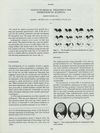
October 1993 in “International Journal of Dermatology” Minoxidil effectively promotes hair regrowth in younger patients with small balding areas.
 November 2025 in “Journal of Family Medicine and Primary Care”
 Low-dose minoxidil effectively enhances facial hair with minimal side effects.
January 2011 in “The Internet Journal of Pharmacology” Minoxidil is cost-effective for regrowing hair on the scalp's top but not the front, requiring ongoing use.