January 2011 in “The Internet Journal of Pharmacology” Minoxidil is cost-effective for regrowing hair on the scalp's top but not the front, requiring ongoing use.
 January 2024 in “SAGE Open Medical Case Reports”
 Minoxidil can help increase facial hair growth.
 26 citations
,
August 2018 in “Dermatologic Therapy”
26 citations
,
August 2018 in “Dermatologic Therapy” Minoxidil helps treat pattern hair loss in both men and women.
 January 2024 in “Skin appendage disorders”
 Oral finasteride seems more effective for hair loss in postmenopausal women, but more research is needed.
 January 2024 in “International Journal of Dermatology Research”
 Minoxidil alone is as effective as the combination but has fewer side effects.
 5 citations
,
October 1993 in “International Journal of Dermatology”
5 citations
,
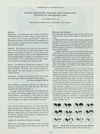
October 1993 in “International Journal of Dermatology” Topical minoxidil is effective and safe for hair regrowth in Middle Eastern men with early baldness, with better results in younger patients and certain types of baldness.
4 citations
,
December 2015 in “MVP journal of medical science” Topical Minoxidil 5% works as well as the combination treatment for hair loss.

Combining Hebai formula with minoxidil improves hair growth and reduces hair loss better than minoxidil alone.
September 2008 in “Evidencia actualizacion en la práctica ambulatoria” Topical minoxidil and oral finasteride are the best treatments for androgenetic alopecia.
 19 citations
,
May 2017 in “Dermatologic Surgery”
19 citations
,
May 2017 in “Dermatologic Surgery” Combining platelet-rich plasma with 5% minoxidil solution improves hair regrowth in androgenetic alopecia patients.
2 citations
,
January 2017 Minoxidil and Propecia are the only FDA-approved hair growth drugs, but people are exploring herbal alternatives due to concerns about side effects.
 November 2003 in “Dermatologic Surgery”
 Minoxidil, finasteride, and hair transplantation combined give best results for hair loss.
April 2024 in “Journal of Pakistan Association of Dermatologists” Adding procapil to minoxidil is more effective for hair loss than using minoxidil alone.
March 2026 in “International Journal of Dermatology” Topical finasteride effectively and safely improves hair growth in men with androgenetic alopecia.
2 citations
,
March 2004 in “Journal of the American Academy of Dermatology” Minoxidil 5% solution quickly improves hair growth and density with minimal side effects.
 74 citations
,
April 2005 in “Dermatologic Clinics”
74 citations
,
April 2005 in “Dermatologic Clinics” Minoxidil and finasteride are effective for male hair loss, minoxidil for female hair loss, and various treatments like corticosteroids work for alopecia areata; treatment should be tailored to the individual.
July 2022 in “Journal of Investigative Dermatology” The new minoxidil hydrogel is a promising alternative for hair loss treatment, with similar effectiveness and less skin irritation.
September 2025 in “OPAL (Open@LaTrobe) (La Trobe University)” Combining minoxidil with other treatments like platelet-rich plasma or finasteride increases hair growth more than minoxidil alone.
 June 1996 in “Archives of Dermatology”
 Minoxidil, tretinoin, and finasteride may help hair regrowth in mild to moderate androgenetic alopecia.
5 citations
,
January 2018 in “Italian journal of dermatology and venereology” Minoxidil effectively stimulates hair growth in androgenetic alopecia.
 58 citations
,
July 1986 in “Journal of The American Academy of Dermatology”
58 citations
,
July 1986 in “Journal of The American Academy of Dermatology” Lowest effective minoxidil concentration is 1%, but 2% works better for male pattern baldness.

More minoxidil applied topically leads to better hair growth in male pattern baldness.

Topical minoxidil was effective in promoting hair growth for male pattern baldness.
12 citations
,
May 1988 in “Journal of the American Academy of Dermatology” Both 2% minoxidil gel and solution effectively increase hair growth in men with early baldness.
 104 citations
,
March 1987 in “Journal of The American Academy of Dermatology”
104 citations
,
March 1987 in “Journal of The American Academy of Dermatology” Minoxidil helps hair growth in 63.6% of alopecia patients, with 27.3% having excellent results.
 11 citations
,
July 1988 in “International Journal of Dermatology”
11 citations
,
July 1988 in “International Journal of Dermatology” The study found that using 2% minoxidil solution can help grow hair and is safe.
April 2026 in “International Journal of Medical Arts”  January 2022 in “المجلة العراقية للصيدلة”
 Minoxidil, a hair growth stimulant, is effective in treating hair loss and new formulas like nanoemulsion and nanocarrier systems have improved its delivery.
 April 2025 in “Journal of Pioneering Medical Science”
 Topical minoxidil is safer and improves hair density better than oral minoxidil.
 February 2025 in “Clinical & Experimental Dermatology and Therapies”
 Combining supplements with minoxidil improves hair growth more than minoxidil alone.