 1 citations
,
July 2023 in “Cureus”
1 citations
,
July 2023 in “Cureus” Cetosomal minoxidil alone and with finasteride is effective and well-tolerated for hair loss treatment.
Minoxidil can slow hair loss and promote regrowth but won't fully restore hair.
 17 citations
,
November 2002 in “Australasian Journal of Dermatology”
17 citations
,
November 2002 in “Australasian Journal of Dermatology” Saw palmetto causes allergic reaction, minoxidil causes skin irritation; use cautiously for hair loss.
 53 citations
,
August 2019 in “Journal of The American Academy of Dermatology”
53 citations
,
August 2019 in “Journal of The American Academy of Dermatology” Oral minoxidil and topical minoxidil 5% both effectively improve female-pattern hair loss with safe side effects.
 November 2024 in “Skin Health and Disease”
 Minoxidil is effective for promoting hair growth and has various dermatological uses.
2 citations
,
January 2017 Minoxidil and Propecia are the only FDA-approved hair growth drugs, but people are exploring herbal alternatives due to concerns about side effects.
 219 citations
,
March 2004 in “Journal of The American Academy of Dermatology”
219 citations
,
March 2004 in “Journal of The American Academy of Dermatology” 5% and 2% minoxidil solutions effectively promote hair growth and reduce hair loss, with 5% being slightly more effective but having more side effects.
 26 citations
,
August 2018 in “Dermatologic Therapy”
26 citations
,
August 2018 in “Dermatologic Therapy” Minoxidil helps treat pattern hair loss in both men and women.
Using 5% minoxidil foam twice daily can help regrow hair, especially in younger men aged 20-30.
 70 citations
,
April 1990 in “Journal of The American Academy of Dermatology”
70 citations
,
April 1990 in “Journal of The American Academy of Dermatology” Minoxidil treatment increased hair growth for up to 5 years, requiring twice daily application.
April 1989 in “Archives of Dermatology” Minoxidil effectively treats male pattern baldness.
 February 2026 in “Frontiers in Medicine”
 Oral minoxidil improved hair loss more than oral dutasteride.
 February 1993 in “PubMed”
 Minoxidil is used to treat hair loss.
 June 2024 in “British Journal of Dermatology”
 PRP with topical minoxidil is the most effective treatment for increasing hair density in androgenetic alopecia.
4 citations
,
April 2020 in “Dermatology practical & conceptual” Topical finasteride works faster and better than 17α-estradiol for postmenopausal hair loss.
 July 2025 in “The Journal of Dermatology”
 5% topical minoxidil may help reduce hair loss and increase hair growth in telogen effluvium.
February 2023 in “Seven Editora eBooks” Oral minoxidil has more side effects but can be more effective than topical minoxidil.
 82 citations
,
March 1994 in “Archives of Dermatology”
82 citations
,
March 1994 in “Archives of Dermatology” 2% topical minoxidil effectively treats female hair loss with minimal side effects.
 April 2025 in “Journal of Pioneering Medical Science”
 Topical minoxidil is safer and improves hair density better than oral minoxidil.
 March 2005 in “Journal of The American Academy of Dermatology”
 Two lotions used day and night may be a good alternative to minoxidil for hair loss, with better cosmetic effects and tolerance.
 29 citations
,
December 1998 in “Seminars in Cutaneous Medicine and Surgery”
29 citations
,
December 1998 in “Seminars in Cutaneous Medicine and Surgery” New treatments for hair loss show promise, especially finasteride for men and a stronger minoxidil formula.

Minoxidil is the only approved cream for hair loss, but new treatments are being looked into.
1 citations
,
January 1991 in “Journal of Dermatological Treatment” Minoxidil doesn't change scalp oil production.
January 2022 in “Al-Mağallaẗ al-ʻirāqiyyaẗ li-l-ṣaydalaẗ” New minoxidil formulations improve hair loss treatment.
 November 2003 in “Dermatologic Surgery”
 Minoxidil, finasteride, and hair transplantation combined give best results for hair loss.
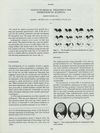 13 citations
,
October 1993 in “International Journal of Dermatology”
13 citations
,
October 1993 in “International Journal of Dermatology” Minoxidil effectively promotes hair regrowth in younger patients with small balding areas.
January 2021 in “Systematic Reviews in Pharmacy” Melatonin and minoxidil together may improve hair growth when applied to the skin.
3 citations
,
June 1996 in “PubMed” Finasteride may help reduce male hair loss and excessive hair growth by lowering DHT levels.
1 citations
,
March 1990 in “Clinical Drug Investigation” 2% topical minoxidil can help reduce hair loss and promote hair growth in male pattern baldness.
 14 citations
,
September 2003 in “Archives of Dermatology”
14 citations
,
September 2003 in “Archives of Dermatology” Finasteride may not stop severe hair loss after stopping minoxidil.