
Combining Hebai formula with minoxidil improves hair growth and reduces hair loss better than minoxidil alone.
1 citations
,
June 1990 in “PubMed” 2% topical minoxidil is safe and reduces hair shedding in Chinese men with male pattern baldness.
 October 2021 in “Cosmoderma”
 Hair loss can be managed with treatments like minoxidil, finasteride, and others, but there are still gaps in effectiveness and off-label usage is increasing.
 June 2010 in “Chin J Postgrad Med”
 Using prednisone, zinc, and minoxidil together effectively treats hair loss with long-term benefits and is safe to use.
 May 2021 in “medical journal of mashhad university of medical sciences”
 The mix of 2% flutamide and 5% minoxidil improves hair thickness more than just 5% minoxidil alone in treating hair loss.
 August 2023 in “Journal of Cosmetic Dermatology”
 Using a laser with minoxidil was more effective for hair loss than minoxidil alone.
24 citations
,
January 2018 in “Journal of Cutaneous and Aesthetic Surgery” Combining microneedling with minoxidil is more effective for hair growth than using minoxidil alone.
April 2022 in “UNESP Institutional Repository (São Paulo State University)” Using both topical minoxidil and oral biotin together significantly boosts hair growth and density.
 January 2004 in “Journal of Clinical Dermatology”
 A man got a skin allergy from using a hair growth product called minoxidil.
June 2026 in “International Journal of Medical Arts”  13 citations
,
May 2015 in “Journal of The American Academy of Dermatology”
13 citations
,
May 2015 in “Journal of The American Academy of Dermatology” Oral minoxidil improves hair growth in men with hair loss, but caution needed for those with heart issues.
June 2026 in “Skin Appendage Disorders” Tretinoin may help some who don't respond to minoxidil alone, but it's not a first choice due to possible irritation.
January 2026 in “Dermatologic Therapy” Combining laser treatment with minoxidil is more effective for hair growth in men than using minoxidil alone.
 January 2025 in “International Journal of Trichology”
 Topical spironolactone and minoxidil both effectively treat female hair loss, but spironolactone has fewer side effects.
 18 citations
,
January 1997 in “British Journal of Dermatology”
18 citations
,
January 1997 in “British Journal of Dermatology” 5% topical minoxidil can cause severe body hair growth, which disappears after stopping treatment.
March 2021 in “Berkala Ilmu Kesehatan Kulit dan Kelamin” The best treatment for male pattern baldness is a combination of topical minoxidil and oral finasteride.
 13 citations
,
April 2009 in “Acta Medica Scandinavica”
13 citations
,
April 2009 in “Acta Medica Scandinavica” Minoxidil lowers blood pressure and causes hair growth, with some side effects.
 January 2011 in “Kufa Medical Journal”
 Minoxidil solution applied on skin can effectively promote hair growth and increase hair thickness in male mice.
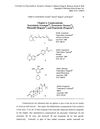
Isotretinoin and tazarotene help treat acne, while minoxidil and finasteride promote hair growth.
 January 2026 in “Zenodo (CERN European Organization for Nuclear Research)”
 Dutasteride 0.5 mg/day is the best treatment for male pattern baldness.
 January 2026 in “Zenodo (CERN European Organization for Nuclear Research)”
 Dutasteride 0.5 mg/day is the best treatment for male pattern baldness.
9 citations
,
January 2017 in “Farmacia” Finasteride can still be used for hair loss with careful consideration of side effects and patient information.
 August 2024 in “PLoS ONE”
 Combining PRP with Minoxidil improves hair density and thickness more than Minoxidil alone.

Oral minoxidil can be more comfortable and effective than topical, but treatment should be personalized.
April 2025 in “Skin Health and Disease” Oral minoxidil is an effective alternative for hair loss but may cause more unwanted hair growth.
 21 citations
,
May 2016 in “The Cochrane library”
21 citations
,
May 2016 in “The Cochrane library” Topical minoxidil helps treat female pattern hair loss, but more research needed for other treatments.
December 2025 in “Journal of Pharmacy And Bioallied Sciences” Trichoscopy effectively shows early positive effects of minoxidil in male pattern hair loss, improving patient satisfaction.
27 citations
,
January 1986 in “PubMed” 1% minoxidil didn't improve hair growth for severe alopecia areata.
 56 citations
,
August 1981 in “Journal of The American Academy of Dermatology”
56 citations
,
August 1981 in “Journal of The American Academy of Dermatology” Minoxidil helps hair regrowth in alopecia areata safely.
 February 2025 in “Clinical & Experimental Dermatology and Therapies”
 Combining supplements with minoxidil improves hair growth more than minoxidil alone.