 370 citations
,
September 1999 in “The New England Journal of Medicine”
370 citations
,
September 1999 in “The New England Journal of Medicine” Finasteride and minoxidil are effective for hair loss, but continued research is needed for better treatments.
January 1987 in “Chronica Dermatologica”  38 citations
,
October 1988 in “Clinics in Dermatology”
38 citations
,
October 1988 in “Clinics in Dermatology” Minoxidil can help grow hair and make hair follicles bigger, but it can also cause side effects.
 80 citations
,
October 1983 in “BMJ”
80 citations
,
October 1983 in “BMJ” Minoxidil helps hair regrowth in alopecia patients, with 16 having good results and no side effects.
 13 citations
,
June 2016 in “Dermatologic Therapy”
13 citations
,
June 2016 in “Dermatologic Therapy” Minoxidil works better when applied on a damp scalp than a dry one.
 3 citations
,
April 2016 in “PubMed”
3 citations
,
April 2016 in “PubMed” Using Minoxidil 5% foam with a botanical hair solution twice daily can significantly improve hair growth and appearance in men with hair loss, and is generally well-tolerated.
2 citations
,
March 2022 in “Journal of Cosmetic Dermatology” Topical finasteride is a safe and effective treatment for pattern hair loss with fewer side effects than oral finasteride.
 1 citations
,
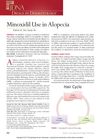
August 2017
1 citations
,
August 2017 Minoxidil helps stimulate hair growth and enlarge small follicles in common hair loss, but doesn't stop it, and its effects can be boosted when combined with finasteride.
November 2008 in “Central Plains Medical Journal” Combining zinc with 2% minoxidil is effective for long-term treatment of hair loss.
3 citations
,
July 1988 in “International Journal of Dermatology” Minoxidil is safe and effective for treating early male pattern baldness.
 August 2025 in “Archives of Dermatological Research”
 Oral minoxidil is more effective than topical minoxidil for hair growth in men.
1 citations
,
May 1987 in “The Lancet” Topical minoxidil may help hair growth by improving blood flow to hair follicles.
 January 2024 in “Skin appendage disorders”
 Oral finasteride seems more effective for hair loss in postmenopausal women, but more research is needed.
 October 2017 in “World Academy of Science, Engineering and Technology, International Journal of Medical and Health Sciences”
 Combination therapy with higher concentrations of minoxidil can lead to rapid hair growth in pattern baldness with no significant side effects.
December 2021 in “Faculty Opinions – Post-Publication Peer Review of the Biomedical Literature” Topical finasteride is promising for hair loss with minimal side effects but needs more research and approval.
3 citations
,
January 1987 in “Archives of Dermatology” Most dermatologists prescribed topical minoxidil for hair loss, with few reporting complications.
 1 citations
,
February 2022 in “JAMA Dermatology”
1 citations
,
February 2022 in “JAMA Dermatology” Minoxidil and finasteride are FDA-approved treatments for male hair loss, but off-label use of oral minoxidil, dutasteride, and higher doses of finasteride and minoxidil is increasing.
 1 citations
,
February 2019 in “PubMed”
1 citations
,
February 2019 in “PubMed” Minoxidil is effective in treating various types of hair loss and can improve quality of life, with combination therapies showing increased effectiveness.
May 2018 in “Hair transplant forum international” Topical finasteride promotes hair growth with minimal side effects but needs more research for women and optimal use.
September 2008 in “Evidencia actualizacion en la práctica ambulatoria” Topical minoxidil and oral finasteride are the best treatments for androgenetic alopecia.
 February 2022 in “Journal of Cosmetic Dermatology”
 Using both minoxidil and flutamide together is more effective for treating hair loss than using minoxidil alone.
 October 2024 in “Clinical and Experimental Dermatology”
 The combination treatment didn't work better than minoxidil alone and caused more menstrual issues.
 1 citations
,
January 2009 in “CRC Press eBooks”
1 citations
,
January 2009 in “CRC Press eBooks” Finasteride increases hair count and improves hair growth with low risk of side effects.
September 2015 in “American journal of biomedicine”  October 2024 in “International Journal of Dermatology”
 Oral and topical minoxidil are equally effective for hair loss, but oral minoxidil causes more unwanted hair growth.

Combining minoxidil with other treatments like finasteride or PRP improves hair growth and satisfaction more than using minoxidil alone.
 19 citations
,
December 1985 in “Journal of The American Academy of Dermatology”
19 citations
,
December 1985 in “Journal of The American Academy of Dermatology” Minoxidil can cause scalp comedones and acne.
 May 2024 in “Clinical, cosmetic and investigational dermatology”
 5% topical minoxidil effectively treated a boy's congenital triangular alopecia without side effects.
July 2021 in “Indian journal of drugs in dermatology” Combining minoxidil with MS injections leads to better hair regrowth in men.