Topical minoxidil and oral finasteride are effective treatments for androgenetic alopecia.
 104 citations
,
March 1987 in “Journal of The American Academy of Dermatology”
104 citations
,
March 1987 in “Journal of The American Academy of Dermatology” Minoxidil helps hair growth in 63.6% of alopecia patients, with 27.3% having excellent results.
 14 citations
,
January 2007 in “Journal of Dermatological Treatment”
14 citations
,
January 2007 in “Journal of Dermatological Treatment” Minoxidil solution had low effect, causing 99% to stop using it.
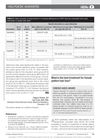 December 2018 in “Evidence-Based Practice”
 Topical minoxidil 1% and 2% are twice as effective as placebo for female pattern hair loss.

Topical minoxidil was effective in promoting hair growth for male pattern baldness.
1 citations
,
January 2024 in “Brazilian Journal of Health Review” Topical Minoxidil 5% is the most effective treatment for hair loss, especially when combined with other treatments.
17 citations
,
July 1988 in “International Journal of Dermatology” Men using minoxidil felt better about hair loss and self-esteem than those using a placebo.
 March 1988 in “Archives of Dermatology”
 Topical minoxidil may not improve the appearance of balding men, according to a letter in this document.
 57 citations
,
July 1987 in “Journal of The American Academy of Dermatology”
57 citations
,
July 1987 in “Journal of The American Academy of Dermatology” Stopping minoxidil treatment resumes balding; continuous use needed for results.
 July 2026 in “Innovations in Pharmaceutical Sciences & Care”
 Combining mesotherapy injections with minoxidil improved hair growth and appearance.
17 citations
,
July 1988 in “International Journal of Dermatology” The 2% minoxidil solution is safe and effective for early male pattern baldness.
 50 citations
,
July 2014 in “International Journal of Clinical Pharmacology and Therapeutics”
50 citations
,
July 2014 in “International Journal of Clinical Pharmacology and Therapeutics” New finasteride solution effectively reduces baldness-causing hormone, potentially with fewer side effects.

More minoxidil applied topically leads to better hair growth in male pattern baldness.
 4 citations
,
January 2016 in “Acta dermatovenerologica Alpina, Pannonica et Adriatica (Tiskana izd.)”
4 citations
,
January 2016 in “Acta dermatovenerologica Alpina, Pannonica et Adriatica (Tiskana izd.)” 5% minoxidil foam is a safe, effective treatment for male pattern hair loss, with increased hair count and few side effects.
September 2019 in “Zagazig university medical journal” Minoxidil helps hair growth but has side effects.
 July 2003 in “Journal of Cutaneous Medicine and Surgery”
 Minoxidil may improve hair transplants and combining treatments could help alopecia areata.
 20 citations
,
February 1985 in “Archives of Dermatology”
20 citations
,
February 1985 in “Archives of Dermatology” Minoxidil helps hair regrowth, especially with more indeterminate hairs.
 January 2024 in “SAGE Open Medical Case Reports”
 Minoxidil can help increase facial hair growth.
November 2022 in “Research Square (Research Square)” Topical minoxidil 5% is better for treating female pattern hair loss than topical sildenafil 1%.
 July 2015 in “Actas Dermo-Sifiliográficas”
 A woman experienced excessive hair growth after using a hair loss treatment with minoxidil.
 September 2023 in “Authorea (Authorea)”
 Certain peptides, caffeine, taurine, and an iron complex may improve hair regrowth when used with minoxidil and finasteride for hair loss.
 January 2026 in “Frontiers in Pharmacology”
 Minoxidil can treat hair loss with topical, oral, and sublingual options, offering personalized choices.
 30 citations
,
January 1997 in “Journal of Dermatological Treatment”
30 citations
,
January 1997 in “Journal of Dermatological Treatment” Topical finasteride helps regrow hair and reduce balding without side effects.
March 2021 in “Postepy Dermatologii I Alergologii” Minoxidil works equally well for hair growth regardless of scalp blood flow.
Topical minoxidil often causes side effects like scalp irritation, but most users continue treatment.
 19 citations
,
August 2000 in “International Journal of Dermatology”
19 citations
,
August 2000 in “International Journal of Dermatology” Minoxidil and finasteride can slow or halt hair loss, but may have side effects.
2 citations
,
May 2017 in “Zenodo (CERN European Organization for Nuclear Research)” Topical minoxidil 5% can cause erectile dysfunction and decreased libido.
 3 citations
,
October 1988 in “Clinics in Dermatology”
3 citations
,
October 1988 in “Clinics in Dermatology” Using 3% topical minoxidil can help women with hair loss, but more research is needed.
 January 2018 in “Elsevier eBooks”
 Minoxidil helps lower severe blood pressure and promotes hair growth but can have serious side effects and must be used continuously.
 December 2020 in “Dermatología argentina”
 Low-dose oral minoxidil effectively treats male pattern baldness.