 25 citations
,
November 1987 in “British Journal of Dermatology”
25 citations
,
November 1987 in “British Journal of Dermatology” Minoxidil didn't increase scalp blood flow for hair growth, but hexyl nicotinate did.
 21 citations
,
March 2021
21 citations
,
March 2021 Oral minoxidil effectively treats hair loss, with women needing lower doses (0.25 to 2.5 mg daily) and men needing higher doses (1.25 to 5 mg daily).
 19 citations
,
November 2017 in “Journal of Pharmaceutical Sciences”
19 citations
,
November 2017 in “Journal of Pharmaceutical Sciences” A new gel containing minoxidil can treat hair loss effectively, potentially reducing side effects and improving treatment.
 July 2013 in “Our Dermatology Online”
 Minoxidil 2% is more effective than tacrolimus 0.1% for hair regrowth in mild to moderate patchy hair loss, and combining both might give better results.
 25 citations
,
July 2015 in “Colloids and Surfaces B: Biointerfaces”
25 citations
,
July 2015 in “Colloids and Surfaces B: Biointerfaces” Iontophoresis improves minoxidil delivery to hair follicles for hair loss treatment.
 September 2025 in “Zenodo (CERN European Organization for Nuclear Research)”
 Topical minoxidil and oral finasteride are effective treatments for hair loss in young men.
 September 2025 in “Zenodo (CERN European Organization for Nuclear Research)”
 Topical minoxidil and oral finasteride are effective treatments for hair loss in young men.
 June 2026 in “International Journal of Innovative Technologies in Social Science”
 Low-dose oral minoxidil is effective and safe for treating male pattern baldness.
 32 citations
,
May 1995 in “Contact Dermatitis”
32 citations
,
May 1995 in “Contact Dermatitis” Minoxidil can cause allergic reactions, but testing helps identify the cause.
January 2026 in “Dermatologic Therapy” 0.5% minoxidil mesotherapy is more effective and safe for hair growth in women with androgenetic alopecia than topical 2% minoxidil.
The new minoxidil gel reduces runoff and improves eyebrow hair growth.
July 2025 in “Colloids and Surfaces B Biointerfaces” A new method using hyaluronic acid liposomes improves Minoxidil's effectiveness and safety for hair growth treatment.
May 2025 in “UNESP Institutional Repository (São Paulo State University)” The 5 mg dose of oral minoxidil is not more effective than the 2.5 mg dose for treating male hair loss.
 April 2016 in “Journal of Investigative Dermatology”
 Using a stimulating cream shampoo before applying Minoxidil helps it penetrate hair follicles better, enhancing its hair growth-promoting effect.
2 citations
,
March 1989 in “International Journal of Dermatology”  January 2014 in “Anales Médicos de la Asociación Médica del Centro Médico ABC”
 The combination of oral finasteride and dutasteride with topical minoxidil effectively promotes new hair growth in most people, with minimal side effects.
 8 citations
,
March 2020 in “Aesthetic Plastic Surgery”
8 citations
,
March 2020 in “Aesthetic Plastic Surgery” Finasteride and minoxidil together safely and effectively increase hair growth and density for androgenetic alopecia.
 14 citations
,
September 2020 in “Dermatologic Therapy”
14 citations
,
September 2020 in “Dermatologic Therapy” Oral minoxidil improves hair density in women with androgenetic alopecia, with mild side effects.
 13 citations
,
January 1988 in “Contact Dermatitis”
13 citations
,
January 1988 in “Contact Dermatitis” Some patients using Minoxidil for baldness developed allergic skin reactions.
March 2025 in “International Journal of Trichology” Low-dose oral minoxidil is safe for the heart.
7 citations
,
April 2021 in “Journal of Pharmacy and Pharmaceutical Sciences” Cetirizine 1% helps hair growth in men with no major side effects, but minoxidil 5% works better.
 12 citations
,
June 2017 in “Cell Cycle”
12 citations
,
June 2017 in “Cell Cycle” Minoxidil foam helps hair growth by increasing good proteins and decreasing bad pathways in men with hair loss.
 September 2010 in “Reactions Weekly”
 A woman was allergic to 5% minoxidil, with stronger reactions to higher concentrations.
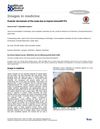 3 citations
,
January 2018
3 citations
,
January 2018 A woman had an unusual allergic reaction to a hair loss treatment, which cleared up after stopping the treatment and using a different medication.

Using too much topical minoxidil can cause serious side effects like dizziness and low blood pressure.
October 2024 in “Actas Dermo-Sifiliográficas” Sublingual minoxidil is safe and well-tolerated for hair loss treatment.
Low-dose oral minoxidil is effective for treating hair loss with personalized plans and safety monitoring.
7 citations
,
October 1988 in “Clinics in Dermatology” Minoxidil may help hair regrowth in alopecia areata by affecting T-cells.
 January 2011 in “Reactions Weekly”
 Long-term use of minoxidil may cause hair follicles to transform into noticeable terminal hairs, leading to trichostasis spinulosa.
 August 2023 in “Faculty Opinions – Post-Publication Peer Review of the Biomedical Literature”
 Minoxidil users may experience hair discoloration, especially with long-term use and a family history of gray hair.