January 2025 in “Journal of Carcinogenesis” Stromal vascular fraction and topical minoxidil both improve hair growth similarly, but SVF offers a better treatment experience.
 December 2024 in “Asian Journal of Pharmaceutical and Clinical Research”
 Adding PRP to minoxidil and finasteride is more effective for hair loss.
January 2011 in “The Internet Journal of Pharmacology” Minoxidil is cost-effective for regrowing hair on the scalp's top but not the front, requiring ongoing use.
 19 citations
,
December 1985 in “Journal of The American Academy of Dermatology”
19 citations
,
December 1985 in “Journal of The American Academy of Dermatology” Minoxidil can cause scalp comedones and acne.
12 citations
,
May 1988 in “Journal of the American Academy of Dermatology” Both 2% minoxidil gel and solution effectively increase hair growth in men with early baldness.
January 2022 in “Al-Mağallaẗ al-ʻirāqiyyaẗ li-l-ṣaydalaẗ” New minoxidil formulations improve hair loss treatment.
 January 2024 in “International Journal of Dermatology Research”
 Minoxidil alone is as effective as the combination but has fewer side effects.
 26 citations
,
August 2018 in “Dermatologic Therapy”
26 citations
,
August 2018 in “Dermatologic Therapy” Minoxidil helps treat pattern hair loss in both men and women.
 7 citations
,
March 2015 in “British Journal of Dermatology”
7 citations
,
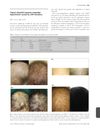
March 2015 in “British Journal of Dermatology” Applying minoxidil can help improve hair growth in people with hair loss caused by LIPH gene mutations.
December 2009 in “Digital Library of Theses and Dissertations (Universidade de São Paulo)” Iontophoresis and chitosan microparticles improve minoxidil delivery for hair loss treatment.
 52 citations
,
February 1985 in “Archives of Dermatology”
52 citations
,
February 1985 in “Archives of Dermatology” Minoxidil absorbs poorly through skin, with low risk of side effects at 1-2% concentration.
 5 citations
,
April 2018 in “Journal of Cosmetic Dermatology”
5 citations
,
April 2018 in “Journal of Cosmetic Dermatology” New 5% minoxidil formula safely and effectively treats male hair loss.
 April 2025 in “Journal of Pioneering Medical Science”
 Topical minoxidil is safer and improves hair density better than oral minoxidil.
11 citations
,
December 2011 in “PubMed” 5% minoxidil solution effectively treats hair loss in men and women.
 29 citations
,
July 2009 in “Journal of Dermatology”
29 citations
,
July 2009 in “Journal of Dermatology” 5% minoxidil works better for hair growth than 1% minoxidil.
 May 2015 in “Journal of The American Academy of Dermatology”
 Oral minoxidil effectively increases hair growth in male baldness but can cause side effects like excessive hair growth and swelling.
 February 2025 in “Archives of Dermatological Research”
 Combining PRP with topical minoxidil is most effective for hair growth in androgenetic alopecia.
July 1985 in “American pharmacy” Minoxidil can effectively increase hair growth in early male pattern baldness.
 December 2020 in “Dermatología argentina”
 Low-dose oral minoxidil effectively treats male pattern baldness.
 May 2025 in “Current Drug Safety”
 Topical minoxidil can rarely cause swelling due to fluid retention.
1 citations
,
February 2020 in “PubMed” The topical solution improved hair density and appearance in men with androgenetic alopecia.
17 citations
,
July 1988 in “International Journal of Dermatology” Men using minoxidil felt better about hair loss and self-esteem than those using a placebo.
5 citations
,
April 2025 in “Journal of the American Academy of Dermatology” Use minoxidil correctly and be aware of side effects for best hair loss treatment results.

Topical minoxidil 5% is the most effective treatment for male hair loss, but other therapies show promise.
 1 citations
,
January 2018 in “International Journal of Research in Dermatology”
1 citations
,
January 2018 in “International Journal of Research in Dermatology” Adding finasteride to minoxidil solution for hair loss treatment didn't show extra benefits, just increased cost and fear of side effects.
 November 2019 in “Actas Dermo-Sifiliográficas”
 Oral minoxidil helps treat hair loss and has reversible side effects.
 82 citations
,
March 1994 in “Archives of Dermatology”
82 citations
,
March 1994 in “Archives of Dermatology” 2% topical minoxidil effectively treats female hair loss with minimal side effects.
6 citations
,
November 1990 in “DICP” 10 citations
,
March 2004 in “Journal of the American Academy of Dermatology” The 5% minoxidil solution effectively treated hair loss with good tolerability.
 28 citations
,
March 1987 in “Journal of The American Academy of Dermatology”
28 citations
,
March 1987 in “Journal of The American Academy of Dermatology” Minoxidil may help hair growth after transplant surgery.