 February 2019 in “Journal of Pakistan Association of Dermatologists”
 Combining eflornithine cream with IPL is more effective for removing unwanted facial hair in women.
 September 2018 in “Cumhuriyet medical journal”
 Women with more body hair tend to have thicker belly fat and more metabolic health issues.
April 2018 in “International journal of innovative research in medical science” Neem and Zanjabeel are as effective as standard drugs for treating hirsutism in PCOD patients.
 April 2017 in “Journal of evolution of medical and dental sciences”
 Most women with excess hair growth had Polycystic Ovary Syndrome, and severity wasn't linked to hormone levels.
 July 2016 in “British journal of dermatology/British journal of dermatology, Supplement”
 Hirsutism treatment should focus more on patient needs and quality of life.
Effective treatments for hirsutism include antiandrogens, finasteride, eflornithine, and various hair removal methods.
January 2013 in “Obstetrical & gynecological survey” Most women with hirsutism have normal hormone levels and can be treated with cosmetic methods; obesity and PCOS are common causes, and treatments depend on the underlying issue.
The study concluded that hirsutism is most common in women aged 14 to 48, often caused by PCOS, and can be effectively treated with Nd YAG laser and IPL.
 April 2011 in “Global journal of health science”
 Aldactone effectively reduces hair thickness in women with excessive hair growth, both alone and with other treatments.
 April 2011 in “Global journal of health science”
 Spironolactone effectively makes hair shafts thinner in women with excessive hair growth.
 February 2010 in “Journal of The American Academy of Dermatology”
 White hirsute women with PCOS have higher insulin resistance, but similar nitric oxide and fibrinogen levels compared to those with idiopathic hirsutism.
 January 2010 in “Springer eBooks”
 Hirsutism can lower a woman's quality of life, causing emotional distress and affecting social and work opportunities.
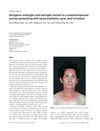 August 2009 in “International Journal of Dermatology”
 A postmenopausal woman's facial redness, acne, and excess hair were caused by too much hormone therapy for insomnia, but improved after stopping the treatment.
May 2008 in “10th European Congress of Endocrinology” Flutamide alone is as effective as the combination with finasteride for treating hirsutism.
Hirsutism, often caused by PCOS, is treated with medication and weight loss is important for obese women with PCOS.
 August 2007 in “Drug and therapeutics bulletin”
 Eflornithine's effectiveness for women with facial hirsutism is unclear.
 May 2006 in “Women's Health Medicine”
 Excessive hair growth in women, often from high androgen levels, is usually caused by PCOS, and can be treated with hair removal, medication, and possibly weight loss.
Spironolactone with an oral contraceptive improved hair growth in women with hirsutism.
June 2002 in “Current obstetrics and gynaecology/Current obstetrics & gynaecology” Hirsutism, excessive hair growth in women, often caused by high androgen levels and polycystic ovary syndrome, can be treated with medication and weight management.
The 2% spironolactone cream did not reduce hair growth in women with facial hirsutism.
 December 1997 in “Journal of The European Academy of Dermatology and Venereology”
 Most women with excessive hair growth have a hormonal cause.
 March 1997 in “Journal of Endocrinology/Journal of endocrinology”
 Excessive hair growth in women can be treated with medications like spironolactone and finasteride, and male-pattern baldness in women can be improved with similar treatments.
March 1997 in “The Lancet” Hirsutism is abnormal male-pattern hair growth in females due to excess androgens.
February 1990 in “PubMed” Higher DHEA-S levels in hirsute females affect hair growth phases.
January 1989 in “Oxford University Research Archive (ORA) (University of Oxford)” Spironolactone effectively reduces unwanted hair growth in women with hirsutism.
Spironolactone was effective in reducing hair growth in women with hirsutism.
 October 1986 in “Inpharma”
 Spironolactone helps reduce hair growth in women with hirsutism but may cause menstrual irregularities.
 232 citations
,
June 1975 in “Journal of Steroid Biochemistry”
232 citations
,
June 1975 in “Journal of Steroid Biochemistry” Cyproterone acetate is effective for acne but less so for hirsutism and alopecia, with some side effects and quick menstrual cycle recovery after treatment.
112 citations
,
April 2009 in “Cochrane library” Spironolactone may reduce excessive hair growth in women but its effectiveness for acne is not supported.
78 citations
,
October 2003 in “Cochrane library” Cyproterone acetate with estradiol may subjectively improve excessive hair growth in women, but it's not clinically better than other treatments.