 August 2013 in “Gastroenterology”
 A 60-year-old man with Cronkhite-Canada syndrome improved with treatment, but the condition has a high mortality rate and a risk of colorectal cancer.
27 citations
,
July 1997 in “PubMed” The harlequin ichthyosis mouse mutation causes thick skin and early death, resembling a human skin disorder.
 November 2020 in “Journal of The American Academy of Dermatology”
 Certain immune markers may predict chemotherapy response in mesothelioma, and nivolumab is a tolerable and effective treatment for advanced non-small cell lung cancer.
2 citations
,
September 2021 in “JAAD case reports” A man with a weakened immune system was diagnosed with a rare skin condition called trichodysplasia spinulosa using skin examination techniques.
 15 citations
,
July 2013 in “Cell Reports”
15 citations
,
July 2013 in “Cell Reports” Indian Hedgehog helps control skin cell growth and protects against aggressive skin cancer.
3 citations
,
May 2017 in “BMJ Case Reports” A 15-year-old boy's skin and hair condition worsened due to improper treatment, leading to severe health issues.
7 citations
,
May 1978 in “Acta Dermato Venereologica” A 36-year-old man had unusual skin lesions on his face without hair loss.
6 citations
,
December 2024 in “F1000Research” Fibroblast and immune cell interactions affect tissue repair and fibrosis.
1 citations
,
November 2025 in “Stem Cell Research & Therapy” Immortalized hair follicle cells could be useful for regenerative medicine and treating inflammation and oxidative stress.
 October 2025 in “Medicine”
 A potential link exists between unexplained hormone deficiency, hair loss, and testicular tumors, suggesting thorough screening is needed.

A man with a rare lung-focused form of hypereosinophilic syndrome improved with steroid treatment.
 15 citations
,
December 2014 in “PLoS ONE”
15 citations
,
December 2014 in “PLoS ONE” A mutation in the iRhom2 gene causes hairless mice due to abnormal hair follicle development.
3 citations
,
September 1998 in “International Journal of Dermatology” Acitretin effectively improved the woman's skin condition.
 3 citations
,
April 2019 in “The journal of investigative dermatology/Journal of investigative dermatology”
3 citations
,
April 2019 in “The journal of investigative dermatology/Journal of investigative dermatology” ILC1 cells contribute to hair loss in alopecia areata.
26 citations
,
January 1983 in “PubMed” Trichothiodystrophy involves brittle hair due to low sulfur amino acids, not a transport defect.
January 2012 in “The Year book of dermatology”  10 citations
,
March 2015 in “Journal of dermatology”
10 citations
,
March 2015 in “Journal of dermatology” The boy's severe skin disorder is caused by two new mutations in his TGM1 gene.
16 citations
,
March 2011 in “Ophthalmic genetics” A patient with Birt-Hogg-Dubé Syndrome also had choroidal melanoma, suggesting the need for careful eyelid exams in such patients.
48 citations
,
August 1981 in “American Journal of Veterinary Research” Glucocorticoid use in dogs quickly causes liver changes and Cushing's syndrome symptoms.
 December 2023 in “Communications biology”
 Targeting the HEDGEHOG-GLI1 pathway could help treat keloids.
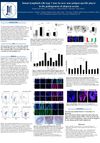
Innate lymphoid cells type 1 may contribute to alopecia areata by damaging hair follicles.
14 citations
,
June 2005 in “PubMed” A rare ear cyst contained hair fragments.
1 citations
,
April 2024 in “Journal of Cutaneous Pathology” Recurrent NICF is a rare skin condition with unclear causes, involving follicle inflammation and crystal deposits.
December 2025 in “FEBS Open Bio” Long-term skin biopsy cultures can produce many fibroblasts that remain functional and can be reprogrammed.
October 2025 in “Clinical and Experimental Pediatrics” A novel CLDN1 mutation in a 2-month-old with NISCH showed improvement with symptom management.
 August 2021 in “Acta Haematologica Polonica”
 Folliculotropic mycosis fungoides has a worse prognosis than other types, with survival rates varying significantly based on subtype and organ involvement.
2 citations
,
January 2007 in “Actas Dermo-Sifiliográficas” Two cases of hairy elbows syndrome were described, with normal skin texture and symmetrical hair growth.
21 citations
,
November 2014 in “Cytotechnology” 18 citations
,
March 2003 in “British journal of dermatology/British journal of dermatology, Supplement” Trichofolliculoma has specific cytokeratin patterns that help in its diagnosis.
 November 2022 in “The journal of investigative dermatology/Journal of investigative dermatology”
 New imaging technology can show up to 40 different markers in hair loss tissue, helping to understand hair disease better.