Search
for
Sort by
Research
840-870 / 1000+ results![Patent Evaluation: Hexahydrobenzo[f]quinolines as 5α-Reductase Inhibitors](/images/assets/1634373b-f615-46c7-a157-21394e3366be/small/21095.jpg)
research Patent Evaluation: Hexahydrobenzo[f]quinolines as 5α-reductase inhibitors
Hexahydrobenzo[f]quinolines are effective at blocking the enzyme 5α-reductase.
research Proprietary Herbal Extract Downregulates the Gene Expression of Il-1 and #945; in HaCaT Cells: Possible Implications Against Nonscarring Alopecia
A herbal extract may help treat certain types of hair loss by reducing a specific gene's activity.
research Sequential small-molecule therapy for lymphocytic cicatricial alopecia: A multicenter prospective cohort pilot study
The treatment significantly improved lymphocytic cicatricial alopecia symptoms in most patients.
research Progressive alopecia areata during TNF-α inhibition with intralesional corticosteroid failure and subsequent improvement following JAK1 inhibition
JAK1 inhibitor may effectively treat alopecia areata when TNF-α inhibitors and corticosteroids fail.
research 378 Treatment of severe alopecia areata with the oral Janus kinase inhibitor, tofacitinib: A retrospective chart review
Tofacitinib may help regrow hair in severe alopecia areata, but results differ greatly between people.
research Upadacitinib for the management of severe alopecia areata in adolescent patients: a single-centre retrospective study
Upadacitinib is effective and safe for treating severe alopecia areata in teens.
research Upadacitinib for Successful Treatment of Alopecia Universalis in a Child: A Case Report and Literature Review
Upadacitinib effectively treated severe hair loss in a child.
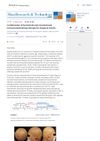
research Combination of baricitinib and conventional immunomodulating therapy for alopecia totalis
Baricitinib combined with other immune therapies may safely and effectively treat severe scalp hair loss.
research Hair for the Long Haul: Alopecia Areata Cases and Considerations
JAK inhibitors are effective for long-term management of alopecia areata.
research LB1056 Phase 1b: Translational evaluation of VYN201, a pan-BD BET inhibitor, for the treatment of non-segmental vitiligo
VYN201 shows promise as a safe and effective treatment for non-segmental vitiligo.
research Finasteride versus cyproterone acetate-estrogen regimens in the treatment of hirsutism
Finasteride and CPA-EE2 equally reduce hirsutism, but affect hormone levels differently.
research 5α‐Reductase inhibitors and prostatic disease
5α-Reductase inhibitors can help treat hair loss, acne, and prostate issues by reducing DHT levels.
research 5alpha-reductase inhibitors - a new hope in dermatology?
Finasteride shows promise for treating hair loss and excessive hair growth, but more research is needed to confirm its effectiveness and safety.
research 440 Squaric acid dibutylester, used in alopecia areata immunotherapy, promotes innate immune-driven hair growth with CD206+ macrophage accumulation in the dermis
Squaric acid dibutylester helps hair growth by increasing certain immune cells in the skin.
research 547 CDK9 Kinase Activation in Association with AFF1-SEC Initiate Epidermal Progenitor differentiation
NCSTN gene mutation causes abnormal skin cell differentiation and more inflammation, contributing to Hidradenitis Suppurativa.
research Upadacitinib is effective in treating psoriasis combined with lichen planus: a case report
Upadacitinib effectively treats psoriasis and lichen planus together.
research 861 EGFR/MEK inhibitor therapy induces partial hair follicle immune privilege collapse in vivo and ex vivo
research Upadacitinib: A New Weapon for the Treatment of Twenty-Nail Dystrophy
Upadacitinib may effectively treat twenty-nail dystrophy without causing pain.
research Alopecia areata
Some treatments can help with a hair loss condition called alopecia areata, but none ensure lasting results; choices depend on the person, with JAK inhibitors showing promise for severe cases.
research The Janus kinase 1 inhibitor abrocitinib for the treatment of oral lichen planus
research Acitretin: A good treatment option for hypertrophic lichen planus
Acitretin effectively treats severe hypertrophic lichen planus.

research The Changing Landscape of Alopecia Areata: The Therapeutic Paradigm
New treatments for Alopecia Areata, like JAK inhibitors, show promise for hair regrowth and are likely to change future treatment approaches.
research Melatonin-induced inhibition of melanogenesis in hair follicles in vitro [proceedings].
research Analyzing the role of tofacitinib in treatment of alopecia areata: A retrospective analysis from a tertiary care center of North India
Tofacitinib effectively reduced hair loss in alopecia areata patients without adverse effects.
research BI02 (P97): Epidermal growth factor receptor inhibitor therapy induces a distinct inflammatory hair follicle response that includes a collapse of immune privilege
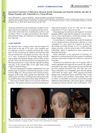
research Successful Treatment of Refractory Alopecia Areata Universalis and Psoriatic Arthritis, But Not of Plaque Psoriasis with Tofacitinib in a Young Woman
Tofacitinib helped a young woman's severe hair loss and arthritis but not her plaque psoriasis.
research Hereditary vitamin D resistant rickets (HVDRR) case series: phenotype, genotype, conventional treatment, and adjunctive cinacalcet therapy
Cinacalcet may help treat hereditary vitamin D resistant rickets safely.
research Supplementary file 1_Evaluation of the efficacy and treatment-emergent adverse events of deuruxolitinib for moderate to severe alopecia areata: a dose-ranging meta-analysis of 1,372 randomized patients.docx
Deuruxolitinib effectively treats alopecia areata but may cause manageable side effects.
research Table 1_Evaluation of the efficacy and treatment-emergent adverse events of deuruxolitinib for moderate to severe alopecia areata: a dose-ranging meta-analysis of 1,372 randomized patients.docx
Deuruxolitinib improves hair regrowth in alopecia areata but needs more safety research.