 23 citations
,
February 2021 in “Journal of Endocrinological Investigation”
23 citations
,
February 2021 in “Journal of Endocrinological Investigation” Betacoronaviruses, like COVID-19, may cause hormone system dysfunction and affect disease susceptibility and severity.
 2 citations
,
November 2015 in “Journal of Investigative Dermatology”
2 citations
,
November 2015 in “Journal of Investigative Dermatology” RANKL improves the immune response against herpes simplex virus by enhancing T cell activation and could help develop better treatments or vaccines.
 1 citations
,
January 2015 in “Side effects of drugs annual”
1 citations
,
January 2015 in “Side effects of drugs annual” The document concludes that various dermatological treatments and drugs can cause skin reactions and side effects.
 December 2022 in “Sudan Journal of Medical Sciences”
 Vaccination is the most effective way to reduce COVID-19 transmission.
COVID-19 may lead to severe skin necrosis without clear underlying causes, as seen in a diabetic patient who required leg amputation.
 3 citations
,
June 2018 in “The New England Journal of Medicine”
3 citations
,
June 2018 in “The New England Journal of Medicine” A woman with Cushing's syndrome improved after surgery to remove a tumor causing the condition.
 31 citations
,
May 2021 in “Journal of endocrinological investigation”
31 citations
,
May 2021 in “Journal of endocrinological investigation” APS-1 in Italy shows diverse AIRE mutations and various autoimmune issues.
 101 citations
,
July 2020 in “Dermatologic therapy”
101 citations
,
July 2020 in “Dermatologic therapy” COVID-19 can cause skin issues like rashes and "COVID toes," and people with skin conditions should adjust their treatments if they get the virus.
 58 citations
,
December 2020 in “Mayo Clinic Proceedings”
58 citations
,
December 2020 in “Mayo Clinic Proceedings” The conclusion is that individual differences in COVID-19 severity are influenced by factors like age, sex, race, and genetics, which are important for personalized medicine.
 25 citations
,
July 2021 in “Journal of Medical Virology”
25 citations
,
July 2021 in “Journal of Medical Virology” COVID-19 can cause various skin issues, including rashes and hair loss, which usually heal on their own and don't always indicate severe illness.
 18 citations
,
March 2002 in “The journal of investigative dermatology/Journal of investigative dermatology”
18 citations
,
March 2002 in “The journal of investigative dermatology/Journal of investigative dermatology” Estrogen increases blood vessel growth factor production, while testosterone blocks this increase.
 17 citations
,
May 2021 in “Journal of Assisted Reproduction and Genetics”
17 citations
,
May 2021 in “Journal of Assisted Reproduction and Genetics” COVID-19 may harm male fertility and damage the reproductive system.
 11 citations
,
May 2021 in “Journal of Medical Virology”
11 citations
,
May 2021 in “Journal of Medical Virology” Men are more likely to have severe respiratory viral infections like COVID-19 due to hormonal and genetic differences, while women generally have stronger immune responses.
 7 citations
,
April 2021 in “Dermatology and Therapy”
7 citations
,
April 2021 in “Dermatology and Therapy” H-1 antihistamines may help with various skin conditions, but more research is needed to confirm their effectiveness.
 4 citations
,
April 2023 in “Cutis”
4 citations
,
April 2023 in “Cutis” COVID-19 can cause or worsen skin issues.
3 citations
,
August 2023 in “Clinical Cosmetic and Investigational Dermatology” Keloids can form at the site of a healed herpes zoster infection, but the reason is unclear.
 3 citations
,
May 2021 in “Dermatologic Clinics”
3 citations
,
May 2021 in “Dermatologic Clinics” COVID-19 changed dermatology by increasing telemedicine and highlighting healthcare disparities.
 3 citations
,
November 2020 in “Ciencia Tecnología y Salud”
3 citations
,
November 2020 in “Ciencia Tecnología y Salud” COVID-19 symptoms range from mild to severe, with older adults at higher risk.
 2 citations
,
July 2023 in “bioRxiv (Cold Spring Harbor Laboratory)”
2 citations
,
July 2023 in “bioRxiv (Cold Spring Harbor Laboratory)” COVID-19 causes more taste, smell, hair, memory, and concentration issues than other respiratory infections.
 2 citations
,
July 2008 in “Paediatrics & child health”
2 citations
,
July 2008 in “Paediatrics & child health” Severe acne in a young girl may indicate underlying hormonal issues.
 1 citations
,
December 2020 in “Journal of Experimental Biology and Agricultural Sciences”
1 citations
,
December 2020 in “Journal of Experimental Biology and Agricultural Sciences” COVID-19 is caused by a virus from bats, and efforts focus on prevention and treatment research.
 1 citations
,
December 2018 in “IntechOpen eBooks”
1 citations
,
December 2018 in “IntechOpen eBooks” Human hair shows promise for non-invasive medical testing, but more research is needed to standardize its use.
 December 2025 in “International Journal of Innovative Technologies in Social Science”
 Transgender individuals face unique skin issues, often due to hormone therapy, requiring specialized and stigma-free dermatologic care.
July 2025 in “Indian Journal of Endocrinology and Metabolism” The guideline emphasizes a multidisciplinary approach and informed consent for gender-affirming hormone treatment, with regular follow-ups and individualized care.
 July 2023 in “Deleted Journal”
 Alopecia areata is the most common type of baldness treated with corticosteroids and minoxidil.
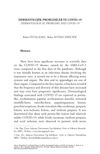
COVID-19 can cause skin problems and affect dermatology treatments, with recommendations for skin care and cautious use of certain drugs.
The document concludes that severe trauma can cause temporary hair loss, known as Telogen Effluvium, which usually resolves without treatment.
October 2025 in “Experimental & Molecular Medicine” Hair analysis is valuable for health and forensics but faces challenges like growth variability and contamination.
 April 2019 in “Endocrinology and Metabolism Clinics of North America”
 Inclusive and affirming healthcare is essential for improving transgender individuals' quality of life and health.
 7 citations
,
January 2019 in “Australasian Journal of Dermatology”
7 citations
,
January 2019 in “Australasian Journal of Dermatology” A genetic marker linked to a type of hair loss was found in most patients studied.