January 2024 in “Updates in clinical dermatology” Frontal fibrosing alopecia is a scarring hair loss condition mainly affecting postmenopausal women, with unclear causes.
 January 2024 in “Wiadomości Lekarskie”
 Uveal melanoma is hard to treat when it spreads, but a new drug, tebentafusp, helps patients live longer.
 October 2020 in “Our Dermatology Online”
 Chronic bacterial infections of hair follicles can cause ongoing skin inflammation.

Hidradenitis Suppurativa has genetic links, with certain gene mutations more common in patients and a third of cases having a family history.
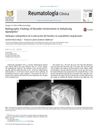 July 2016 in “Reumatología Clínica (English Edition)”
 The patient with Ankylosing Spondylitis had shoulder joint damage and bone changes.
April 2006 in “Pediatrics in Review” Graves disease is the main cause of hyperthyroidism in kids, especially girls aged 11-15, and requires lifelong follow-up.

The patient with total hair loss did not regrow hair despite treatment, indicating a poor outlook for this type of hair loss.

Alopecia areata, a type of hair loss, may be passed through T cells and has genetic links, while treatments vary in effectiveness. Male pattern baldness can be treated with finasteride and is influenced by androgens in hair follicles.
4 citations
,
August 2006 in “The Journal of Dermatology” HLA can be linked to autoimmune hepatitis.
March 2022 in “Oncology Times” Tebentafusp-tebn improves survival rates in uveal melanoma patients but has common side effects like rash and fatigue.
 January 2018 in “General internal medicine and clinical innovations”
 Busulfan/cyclophosphamide and total bone irradiation are equally effective for AML transplants.
 2 citations
,
October 2021 in “Research Square (Research Square)”
2 citations
,
October 2021 in “Research Square (Research Square)” Older age and prostatic hyperplasia in males increase the risk of hemorrhagic cystitis after stem cell transplantation.
6 citations
,
March 1996 in “Journal of Investigative Dermatology” 21 citations
,
January 1995 in “Molecular Biology Reports” Scientists discovered two versions of a new human hair keratin gene.
52 citations
,
October 1995 in “Experimental Cell Research” Human hair keratin genes hHa2 and hHb1 are located on chromosomes 17 and 12.
11 citations
,
June 2015 in “Scientific Reports” The mtDNA N haplogroup is linked to a higher risk of late-onset lupus and specific symptoms in Han Chinese women.
12 citations
,
December 2013 in “Immunological Investigations” The SNP rs6457452 is linked to a higher risk of alopecia areata in Koreans.
20 citations
,
October 1995 in “Biochimica et Biophysica Acta (BBA) - Gene Structure and Expression” hHb1, hHb3, and hHb6 mRNAs start expressing at the same time in hair follicles.
 7 citations
,
December 2015 in “International Journal of Dermatology”
7 citations
,
December 2015 in “International Journal of Dermatology” New and known mutations in the hairless gene cause a hair loss condition called Atrichia with papular lesions.
28 citations
,
December 1997 in “Journal of Biological Chemistry” A genetic mutation in the hHa1 gene creates a smaller, but still functional, hair protein without causing hair problems.
 25 citations
,
May 1994 in “Journal of Investigative Dermatology”
25 citations
,
May 1994 in “Journal of Investigative Dermatology” Researchers found a new gene, hacl-1, that is active in mouse hair follicles during hair growth and may be important for hair biology.
33 citations
,
October 1996 in “Journal of Investigative Dermatology” 5 citations
,
May 2022 in “Diagnostics” Certain genetic markers can indicate higher or lower risk for systemic lupus erythematosus.
6 citations
,
April 2023 in “Current Issues in Molecular Biology” A specific gene variant may increase the risk of developing Alopecia Areata.
26 citations
,
May 2024 in “Molecular Neurodegeneration” H1 increases risk for neurodegenerative diseases, while H2 offers protection but is linked to other disorders.
5 citations
,
June 2015 in “The Journal of Dermatology” HTLV-1-associated lichenoid dermatitis (HALD) is linked to an immune response against HTLV-1-infected cells.
January 2010 in “Chinese Journal of Dermatovenereology of Integrated Traditional and Western Medicine” A unique gene mutation was found in a family with monilethrix.
4 citations
,
October 2003 in “Annales de Génétique” A specific gene mutation causes different hair defects in Indian monilethrix families.
 September 2016 in “Journal of Dermatological Science”
 Certain gene mutations in Japanese people are linked to different types of hair loss, with some causing mild hair thinning and others leading to complete baldness.
20 citations
,
December 1999 in “Journal of Investigative Dermatology” Mutations in the hHb6 gene cause the hair disorder monilethrix.