 11 citations
,
October 2001 in “Dermatologic Clinics”
11 citations
,
October 2001 in “Dermatologic Clinics” The document concludes that DAB389-IL2 is promising for treating refractory cutaneous T-cell lymphoma, but more research is needed on its effectiveness and side effect management.
September 2019 in “Journal of Investigative Dermatology” Innate lymphoid cells type 1 may contribute to alopecia areata.
5 citations
,
September 2021 in “Journal of Molecular Histology” LHX2, with other markers, can identify hair placodes in rats.
January 2008 in “Bradford Scholars (University of Bradford)” Alopecia areata may be caused by antibodies targeting specific hair follicle proteins, hindering hair growth.
12 citations
,
December 2013 in “Immunological Investigations” The SNP rs6457452 is linked to a higher risk of alopecia areata in Koreans.
 3 citations
,
February 2011 in “Journal of Biomedical Research/Journal of biomedical research”
3 citations
,
February 2011 in “Journal of Biomedical Research/Journal of biomedical research” A new mutation in the KRT86 gene was found to cause the hair disorder monilethrix in a Han family.
6 citations
,
April 2023 in “Current Issues in Molecular Biology” A specific gene variant may increase the risk of developing Alopecia Areata.
 April 2023 in “The journal of investigative dermatology/Journal of investigative dermatology”
 The study suggests that a specific type of immune cell, memory-like NK cells, may increase during active hair loss in Alopecia areata.
July 2024 in “Journal of Investigative Dermatology” The Fas/FasL pathway may play a role in alopecia areata.
1 citations
,
April 2016 in “Journal of Investigative Dermatology” Targeting specific T cells may help treat alopecia areata.
June 2010 in “Chinese Journal of Dermatology” A new gene mutation is linked to monilethrix in the studied family.
 9 citations
,
January 2018 in “Acta dermato-venereologica”
9 citations
,
January 2018 in “Acta dermato-venereologica” A substance called poly(I:C) increases a protein called carbonic anhydrase II in skin cells, which might help with skin defense and healing.
 April 2018 in “Journal of Investigative Dermatology”
 The role of γδT-cells in causing alopecia areata remains unclear.
November 2025 in “The Journal of Immunology” BST2 is highly expressed in certain immune cells in alopecia areata, suggesting a role in the disease.
December 2023 in “Journal of Investigative Dermatology” A specific type of immune cell plays a key role in causing alopecia areata and could be a target for treatment.
 7 citations
,
July 2020 in “Immunological Investigations”
7 citations
,
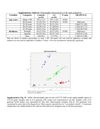
July 2020 in “Immunological Investigations” The rs231775 genetic variant is linked to a higher risk and severity of Alopecia Areata in males.
13 citations
,
August 2017 in “Journal of Cellular Physiology” PD‐L1 and PD‐L2 may not effectively control immune activation in alopecia areata.
57 citations
,
May 1980 in “International Journal of Dermatology” Langerhans cells are crucial for skin immunity and allergic reactions.
2 citations
,
September 2014 in “Nature reviews. Drug discover/Nature reviews. Drug discovery” Specific immune cells cause alopecia areata and blocking certain proteins can prevent it.
 20 citations
,
November 2005 in “Journal of Investigative Dermatology Symposium Proceedings”
20 citations
,
November 2005 in “Journal of Investigative Dermatology Symposium Proceedings” IFN-γ and IL-2 are important for T cell activation in hair loss in mice.
100 citations
,
November 1997 in “Human Genetics” A new mutation in the hHb1 keratin gene is linked to the hair disorder monilethrix.
Alopecia areata patients have higher levels of certain immune receptors, suggesting new treatment possibilities.
47 citations
,
June 1994 in “Experimental Cell Research” mHa2 and mHa3 keratins have different structures and roles in mouse hair and tongue tissues.
20 citations
,
April 2014 in “Autoimmunity” A specific gene variant (rs4833095) is linked to a higher risk of alopecia areata in Koreans.
 January 2023 in “International Journal of Zoological Investigations”
 Certain genetic variations in IL-16 may increase the risk of alopecia areata.
21 citations
,
January 1995 in “Molecular Biology Reports” Scientists discovered two versions of a new human hair keratin gene.
1 citations
,
August 2016 in “Journal of Investigative Dermatology” Vδ1+ T-cells in the skin contribute to hair loss in alopecia areata and could be targeted for treatment.
 April 2017 in “The journal of investigative dermatology/Journal of investigative dermatology”
 Both induced and spontaneous AA lymphocytes can cause alopecia areata in mice.
3 citations
,
January 2011 in “生物医学研究杂志:英文版” A new mutation in the KRT86 gene causes monilethrix in a Han family.
July 2022 in “Journal of Investigative Dermatology”