 3 citations
,
January 2015 in “Nasza Dermatologia Online”
3 citations
,
January 2015 in “Nasza Dermatologia Online” Some treatments for autoimmune hair loss work, but JAK inhibitors like tofacitinib are promising for regrowth.
 3 citations
,
May 1990 in “Journal of Steroid Biochemistry”
3 citations
,
May 1990 in “Journal of Steroid Biochemistry” Some women with excess hair growth have a hormone condition that can't be diagnosed by blood or urine tests alone.
 2 citations
,
May 2025 in “Infection”
2 citations
,
May 2025 in “Infection” Awareness and better treatment of Demodex mites can improve health and quality of life.
 2 citations
,
October 2020 in “Dermatologie pro praxi”
2 citations
,
October 2020 in “Dermatologie pro praxi” Early diagnosis is crucial for treating alopecia effectively.
 1 citations
,
January 2014 in “Hair therapy & transplantation”
1 citations
,
January 2014 in “Hair therapy & transplantation” Platelet-rich plasma treatment is not very effective for chronic severe alopecia areata.
 1 citations
,
February 2009 in “Journal of The American Academy of Dermatology”
1 citations
,
February 2009 in “Journal of The American Academy of Dermatology” Children's Serum Sickness-Like Reaction is often linked to antibiotics, especially amoxicillin, and involves symptoms like rash, fever, and joint issues.
 April 2026 in “International Journal of Homoeopathic Sciences”
 Alopecia areata is linked to thyroid diseases, and thyroid testing may help affected patients.

JAK inhibitors effectively regrow hair in alopecia areata but hair loss often returns after stopping treatment.
 May 2025 in “Cermin Dunia Kedokteran”
 Early detection and tailored treatment of lupus nephritis are crucial to prevent kidney damage.
 April 2025 in “International Journal of Homoeopathic Sciences”
 Homeopathy helped regrow hair and improve emotional health in alopecia areata.
 February 2025 in “American Journal of Biomedical Science & Research”
 A rare combination of hair loss and excessive fine hair growth was found in celiac disease patients.

Frontal fibrosing alopecia can be managed with personalized combination therapies, but no cure exists yet.
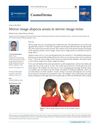
Mirror-image twins can have alopecia areata on opposite sides of their heads.
 March 2024 in “Romanian Medical Journal”
 Early diagnosis and treatment of achalasia and hyperthyroidism improve patient outcomes.

Donor lymphocyte infusions effectively treated leukemia relapse but caused vitiligo and alopecia areata.
 June 2023 in “Acta Scientifci Nutritional Health”
 A gluten-free diet improves growth and reduces symptoms in children with celiac disease.
 January 2023 in “Annals of Dermatology”
 Patients with a specific genetic variant have more severe alopecia areata and higher recurrence rates.
 March 2022 in “Research Square (Research Square)”
 A girl with severe hair loss saw hair regrowth after using cannabis.
 February 2022 in “International journal of KIU”
 Certain genes and nutrients like vitamin D, zinc, and omega fatty acids affect COVID-19 severity and infection risk.
 January 2022 in “International journal of zoology and animal biology”
 Dogs with dermatomyositis, especially Collies and Shetland Sheepdogs, need better treatments for their skin and muscle inflammation.
 March 2021 in “Indian Journal of Case Reports”
 A young woman with late-stage Vogt-Koyanagi-Harada disease was successfully treated at a hospital.
 June 2020 in “The journal of investigative dermatology/Journal of investigative dermatology”
 Topical treatments led to hair regrowth in a man with linear morphea.

Innate lymphoid cells type 1 may contribute to alopecia areata by damaging hair follicles.

Diet and supplements can significantly affect acne, with some foods and nutrients reducing and others worsening it.
 January 2019 in “Springer eBooks”
 Acne is linked to inflammation and insulin resistance, and is associated with various syndromes that require different treatments.
 April 2018 in “International Journal of Research in Dermatology”
 Most patients with systemic lupus erythematosus in Malwa, India, show skin symptoms like photosensitivity and rashes.
 September 2016 in “Journal of Dermatological Science”
 A gene mutation worsens skin irritation in mice due to a lack of certain fats.
 July 2016 in “Experimental Dermatology”
 New treatments for hair growth and psoriasis may be possible, and gene differences could affect baldness and the severity of skin conditions.
 July 2016 in “Journal of Investigative Dermatology”
 R-spondin2 may help treat hair loss, gene differences could explain baldness, a peptide's regulation is linked to psoriasis, B-defensin gene copies may affect a skin condition's risk and severity, and potential markers and targets for alopecia areata were identified.
 May 2015 in “Journal of The American Academy of Dermatology”
 Treatment with biologic agents can significantly improve psoriasis symptoms, and blood biomarkers could potentially predict individual patient's response to treatment.