 May 2025 in “Cermin Dunia Kedokteran”
 Early detection and tailored treatment of lupus nephritis are crucial to prevent kidney damage.
 April 2025 in “International Journal of Homoeopathic Sciences”
 Homeopathy helped regrow hair and improve emotional health in alopecia areata.
Frontal fibrosing alopecia can be managed with personalized combination therapies, but no cure exists yet.
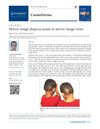
Mirror-image twins can have alopecia areata on opposite sides of their heads.
 March 2024 in “Romanian Medical Journal”
 Early diagnosis and treatment of achalasia and hyperthyroidism improve patient outcomes.
 November 2023 in “Dermatology Research and Reports”
 A stable ivermectin cream may effectively treat rosacea without long-term antibiotics.
 June 2023 in “Acta Scientifci Nutritional Health”
 A gluten-free diet improves growth and reduces symptoms in children with celiac disease.
 January 2023 in “Annals of Dermatology”
 Patients with a specific genetic variant have more severe alopecia areata and higher recurrence rates.
 March 2022 in “Research Square (Research Square)”
 A girl with severe hair loss saw hair regrowth after using cannabis.
 February 2022 in “International journal of KIU”
 Certain genes and nutrients like vitamin D, zinc, and omega fatty acids affect COVID-19 severity and infection risk.
 January 2022 in “International journal of zoology and animal biology”
 Dogs with dermatomyositis, especially Collies and Shetland Sheepdogs, need better treatments for their skin and muscle inflammation.
 March 2021 in “Indian Journal of Case Reports”
 A young woman with late-stage Vogt-Koyanagi-Harada disease was successfully treated at a hospital.
 June 2020 in “The journal of investigative dermatology/Journal of investigative dermatology”
 Topical treatments led to hair regrowth in a man with linear morphea.
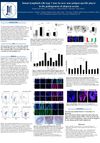
Innate lymphoid cells type 1 may contribute to alopecia areata by damaging hair follicles.
Diet and supplements can significantly affect acne, with some foods and nutrients reducing and others worsening it.
 April 2018 in “International Journal of Research in Dermatology”
 Most patients with systemic lupus erythematosus in Malwa, India, show skin symptoms like photosensitivity and rashes.
 September 2016 in “Journal of Dermatological Science”
 A gene mutation worsens skin irritation in mice due to a lack of certain fats.
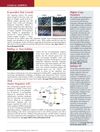 July 2016 in “Experimental Dermatology”
 New treatments for hair growth and psoriasis may be possible, and gene differences could affect baldness and the severity of skin conditions.
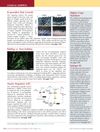 July 2016 in “Journal of Investigative Dermatology”
 R-spondin2 may help treat hair loss, gene differences could explain baldness, a peptide's regulation is linked to psoriasis, B-defensin gene copies may affect a skin condition's risk and severity, and potential markers and targets for alopecia areata were identified.
 May 2015 in “Journal of The American Academy of Dermatology”
 Treatment with biologic agents can significantly improve psoriasis symptoms, and blood biomarkers could potentially predict individual patient's response to treatment.
 May 2015 in “Journal of The American Academy of Dermatology”
 There's a growing resistance to the antibiotic mupirocin in children's skin infections caused by MRSA in New York.
 January 2015 in “Our Dermatology Online”
 Intralesional triamcinolone is the most effective treatment for hair regrowth in alopecia areata patients.
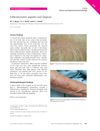 May 2014 in “Clinical and Experimental Dermatology”
 A 70-year-old woman with a rare skin condition improved after treatment with topical steroids and acitretin.
 January 2014 in “IOSR journal of pharmacy”
 Adalimumab can cause complete hair loss in rare cases.
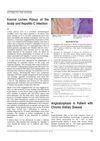
Patients with lichen planus should be tested for hepatitis C.
 February 2009 in “Journal of The American Academy of Dermatology”
 Atopic dermatitis significantly lowers the quality of life for infants and their families.
 January 1986 in “Journal of Steroid Biochemistry”
 Women with severe acne, hirsutism, and androgenic alopecia often have higher levels of certain androgens, but the specific pattern can't be predicted just by looking at symptoms.
 January 1986 in “Journal of Steroid Biochemistry”
 Lower testosterone levels in men may be linked to a higher risk of severe coronary artery disease.
 February 2009 in “Journal of The American Academy of Dermatology”
 Female hair loss can be diagnosed using specific trichoscopy criteria.
Amotosalen-treated donor T-cells can prevent late CMV infection after bone marrow transplants.