 7 citations
,
March 2018 in “Journal of The American Academy of Dermatology”
7 citations
,
March 2018 in “Journal of The American Academy of Dermatology” Skin changes like hair loss, white patches, and nail changes are common in children after bone marrow transplants, often linked to chronic rejection.
7 citations
,
October 2008 in “Arthritis Care & Research” Aggressive immunosuppressive treatment improved a woman's severe heart condition linked to autoimmune disease.
May 2023 in “The Journal of Immunology” Alopecia areata involves unique activation of certain immune cells.
1 citations
,
October 2024 in “Medicina” CLEC4D gene variants may increase the risk of alopecia areata in Jordanians.
 August 2022 in “MEDICINUS”
 A 22-year-old homosexual man was diagnosed with secondary syphilis, genital warts, and HIV, highlighting the high STI risk in men who have sex with men.
52 citations
,
June 1991 in “Journal of Virology” The hamster polyomavirus middle T antigen is linked to tumors in hamsters and associates with a specific tyrosine kinase.
November 2025 in “The Journal of Immunology” BTNL2 helps protect hair follicles from immune attacks, which could aid in treating alopecia areata.
 September 2024 in “Journal of the American Academy of Dermatology”
 The patient responded well to treatment with no disease progression.
December 2023 in “Journal of Investigative Dermatology” A specific type of immune cell plays a key role in causing alopecia areata and could be a target for treatment.
 8 citations
,
August 1997 in “Australasian Journal of Dermatology”
8 citations
,
August 1997 in “Australasian Journal of Dermatology” Most HIV patients develop skin symptoms that can indicate the stage of their disease.
 87 citations
,
December 2016 in “British journal of dermatology/British journal of dermatology, Supplement”
87 citations
,
December 2016 in “British journal of dermatology/British journal of dermatology, Supplement” Cancer patients treated with immune checkpoint inhibitors may develop alopecia, but some hair regrowth is possible with treatment.
 May 2015 in “Journal of The American Academy of Dermatology”
 A heart transplant patient developed a skin condition called epidermodysplasia verruciformis after taking immune-suppressing drugs.
September 2019 in “The journal of investigative dermatology/Journal of investigative dermatology” A new mutation in the STING protein causes a disease with lupus-like symptoms and responds well to a specific inhibitor treatment.
 4 citations
,
July 2008 in “British journal of dermatology/British journal of dermatology, Supplement”
4 citations
,
July 2008 in “British journal of dermatology/British journal of dermatology, Supplement” Poor response to topical immunotherapy in alopecia areata patients is linked to impaired cell responses.
 April 2023 in “Journal of Investigative Dermatology”
 Skin cells and immune cells change in a skin condition called hidradenitis suppurativa, and a certain treatment can improve these changes.
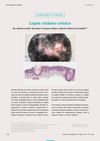 January 2024 in “Revista Dermatológica Centro Uraga”
 The patient has Chronic Cutaneous Lupus, a skin condition causing plaques and hair loss.
30 citations
,
January 1963 in “PubMed” 11 citations
,
January 1997 in “Journal of Dermatological Science” A new protein linked to hair strength was identified, aiding in understanding brittle hair conditions.
33 citations
,
October 2006 in “European Journal of Immunology” The CD44-CD49d complex boosts T cell activation and survival in autoimmune disease.
 September 2024 in “Frontiers in Genetics”
 A specific genetic marker is linked to male pattern baldness in Han Chinese men.

Blocking CXCR4 may help treat hidradenitis suppurativa.
 19 citations
,
December 2015 in “European Journal of Human Genetics”
19 citations
,
December 2015 in “European Journal of Human Genetics” A rare ITGB6 gene variant causes intellectual disability, hair loss, and dental issues.
 3 citations
,
May 2019 in “BMJ case reports”
3 citations
,
May 2019 in “BMJ case reports” A boy with severe immune deficiency and Epstein-Barr virus died from high-grade B-cell lymphoma.

The document provides 70 multiple choice questions to improve haematology skills.
 4 citations
,
January 2017 in “Journal of pediatric endocrinology & metabolism/Journal of pediatric endocrinology and metabolism”
4 citations
,
January 2017 in “Journal of pediatric endocrinology & metabolism/Journal of pediatric endocrinology and metabolism” Two different mutations in the vitamin D receptor gene cause different symptoms and responses to treatment in Lebanese patients with hereditary rickets.
 87 citations
,
July 2007 in “British Journal Of Nutrition”
87 citations
,
July 2007 in “British Journal Of Nutrition” Lactococcus lactis strain H61 may reduce some ageing symptoms.
 April 2023 in “Journal of Investigative Dermatology”
 Higher PD-1 levels are linked to fewer immune cells in hair follicles in alopecia areata.
 September 2017 in “The journal of investigative dermatology/Journal of investigative dermatology”
 Scarred skin in lichen planopilaris loses immune cells due to a decrease in a specific protein in skin cells.
 November 2017 in “British Journal of Dermatology”
 Organ transplant recipients have a higher risk of skin cancer over time, atopic dermatitis skin shows unusual bacterial and fungal patterns, a new tool for measuring hidradenitis suppurativa severity was created, and gene expression changes in male baldness suggest new treatments.
July 2025 in “Journal of Investigative Dermatology” Three molecular subtypes of advanced skin T-cell lymphoma were identified, with potential biomarkers for predicting treatment response and disease progression.