 1 citations
,
July 2016 in “International Journal of Dermatology”
1 citations
,
July 2016 in “International Journal of Dermatology” Androgenetic alopecia is less common in Chilean Mapuche than Caucasians, but more common than Asians, with racial differences in prevalence and types.
 April 2024 in “Proceedings”
 People with alopecia areata often have lower iron levels than healthy people.
 May 2019 in “Cytotherapy”
 Patients in Australia underwent costly, unproven stem cell treatments due to weak regulations and aggressive marketing.
 May 2018 in “White Rose eTheses Online (University of Leeds, The University of Sheffield, University of York)”
 Alopecia areata may be treated by using EGCG to balance immune cells and reduce inflammation.
 June 2006 in “British Journal of Dermatology”
 Lower adrenal hormone levels may cause hair loss in postmenopausal women, certain patterns help diagnose nail cancer, and a gene variant linked to higher skin cancer risk in kidney transplant patients suggests monitoring folate levels.
 28 citations
,
October 2004 in “Differentiation”
28 citations
,
October 2004 in “Differentiation” A gene deletion causes the "hairless" trait in Iffa Credo rats.
November 2012 in “Experimental and Clinical Endocrinology & Diabetes” A new genetic mutation causes severe Leydig cell hypoplasia, affecting sexual development.
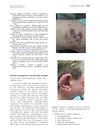
A 72-year-old man was diagnosed with a rare skin form of Rosai-Dorfman disease after years of misdiagnosis.
 July 2022 in “The journal of investigative dermatology/Journal of investigative dermatology”
 Scientists created a detailed map of gene activity in different parts of human hair follicles.
1 citations
,
August 2019 in “Journal of Investigative Dermatology” PRDX5 enzyme may contribute to alopecia areata by affecting oxidative stress and autoimmunity.
August 2021 in “Journal of Investigative Dermatology” ILC1-like cells can cause alopecia areata by disrupting hair follicle immunity, suggesting a new treatment approach.
July 2024 in “Journal of Investigative Dermatology” Sex and race affect immune responses and treatment outcomes in Hidradenitis suppurativa.
 1 citations
,
January 2020 in “Benha Journal of Applied Sciences”
1 citations
,
January 2020 in “Benha Journal of Applied Sciences” Certain gene variations may increase the risk and severity of alopecia areata.
1 citations
,
September 2024 in “Journal of the American Academy of Dermatology” Farudodstat may effectively treat alopecia areata without harmful side effects.
13 citations
,
April 1994 in “Baillière's clinical endocrinology and metabolism” Some people have genetic mutations that make them resistant to vitamin D, leading to rickets even with enough vitamin D intake.
 1 citations
,
April 2016 in “Journal of The American Academy of Dermatology”
1 citations
,
April 2016 in “Journal of The American Academy of Dermatology” A woman had a delayed allergic reaction to the blood thinner enoxaparin, treated with a steroid cream.

Hepatitis B vaccination can trigger HSP, and vitamin D correction and tonsillectomy can effectively manage it.
 May 2017 in “Journal of The American Academy of Dermatology”
 A woman with a skin disorder was found to have hepatitis C, which may be linked, and was safely treated with methotrexate.
Mutations in the hairless protein gene cause hair loss.
ILC1-like cells may contribute to hair loss in alopecia areata and could be new treatment targets.
4 citations
,
July 2023 in “Frontiers in Microbiology” HGF combined with ADA is highly accurate for diagnosing tuberculous pleural effusion, especially in younger females.
 7 citations
,
October 2019 in “Clinical, Cosmetic and Investigational Dermatology”
7 citations
,
October 2019 in “Clinical, Cosmetic and Investigational Dermatology” Certain gene variations in the Vitamin D receptor may increase the risk of chronic hair loss.
July 2025 in “Journal of Investigative Dermatology” Discoid lupus erythematosus involves immune activation and fibrosis around hair follicles, with shared pathways across humans, dogs, and mice, suggesting potential treatments for both humans and animals.
May 2009 in “OPAL (Open@LaTrobe) (La Trobe University)” Suppressing the HGPS mutation may improve symptoms and suggest reversibility.
 12 citations
,
December 2002 in “Archives of Dermatology”
12 citations
,
December 2002 in “Archives of Dermatology” Sweet syndrome can be the only sign of hairy cell leukemia relapse.
 52 citations
,
March 2010 in “British Journal of Dermatology”
52 citations
,
March 2010 in “British Journal of Dermatology” Alopecia areata shows a unique type 1 interferon signature, suggesting potential treatment by targeting this pathway.
CMV infection increases the risk of GvHD after bone marrow transplants.
 May 2017 in “Journal of The American Academy of Dermatology”
 PLAU and SerpinB2 affect cell death differently in various forms of leprosy and could be targets for new treatments.
 3 citations
,
January 2008 in “Journal of the American Academy of Dermatology”
3 citations
,
January 2008 in “Journal of the American Academy of Dermatology” A patient's skin rash did not affect the area where a previous viral rash was healing, suggesting a rare immune response.
 April 2021 in “Journal of Investigative Dermatology”
 People with atopic dermatitis have more CD4+ T cells that respond to a certain bacterial lipid, which may play a role in the skin condition's inflammation.