July 2024 in “Journal of Investigative Dermatology” The Fas/FasL pathway may play a role in alopecia areata.
 32 citations
,
January 2012 in “Clinical & Developmental Immunology”
32 citations
,
January 2012 in “Clinical & Developmental Immunology” Targeting CD200 could be a new treatment for rheumatoid arthritis.
 March 2025 in “OncoTargets and Therapy”
 A specific genetic trait in tumor cells is linked to longer survival without disease in certain lymphoma patients.
 17 citations
,
November 2017 in “PLoS ONE”
17 citations
,
November 2017 in “PLoS ONE” Transplanted bone marrow cells actively move, form clusters, and grow after transplantation.
 18 citations
,
January 2008 in “Journal of The American Academy of Dermatology”
18 citations
,
January 2008 in “Journal of The American Academy of Dermatology” Certain proteins and their receptors are more active during the growth phase of human hair and could be targeted to treat hair disorders.
2 citations
,
February 2022 in “bioRxiv (Cold Spring Harbor Laboratory)” Impaired LEF1 activation speeds up skin cell development in Hutchinson-Gilford Progeria Syndrome.
July 2022 in “Journal of Investigative Dermatology”  1 citations
,
November 2011 in “Journal of AIDS & Clinical Research”
1 citations
,
November 2011 in “Journal of AIDS & Clinical Research” Raltegravir may cause hair loss in some patients.
4 citations
,
September 2010 in “Journal of Medical Case Reports” A man developed autoimmune issues after a transplant, improved with treatment, but died from leukemia relapse.
27 citations
,
April 2004 in “Biochemical and Biophysical Research Communications” Two new gene clusters important for hair formation were found on human chromosome 11.
17 citations
,
September 2018 in “Matrix Biology” Laminin-511 is essential for proper melanocyte movement and development in mice.
 42 citations
,
October 2009 in “The journal of investigative dermatology/Journal of investigative dermatology”
42 citations
,
October 2009 in “The journal of investigative dermatology/Journal of investigative dermatology” Mutations in the KRT85 gene cause hair and nail problems.
78 citations
,
May 2012 in “Journal of Investigative Dermatology” A specific gene mutation causes woolly hair and hair loss.
62 citations
,
October 1999 in “Journal of Investigative Dermatology” New mutations in hair keratin genes can change hair structure and cause monilethrix, with nail issues more common in certain gene mutations.
July 2024 in “Journal of Investigative Dermatology” Sex and race affect immune responses and treatment outcomes in Hidradenitis suppurativa.
82 citations
,
July 2012 in “Brain pathology” High LGR5 levels in glioblastoma indicate poor prognosis and are essential for cancer stem cell survival.
 37 citations
,
April 2011 in “Journal of Biological Chemistry”
37 citations
,
April 2011 in “Journal of Biological Chemistry” LEF1 interacts with Vitamin D Receptor, affecting hair follicle regeneration and this could be linked to hair loss conditions.
 1 citations
,
August 2018 in “bioRxiv (Cold Spring Harbor Laboratory)”
1 citations
,
August 2018 in “bioRxiv (Cold Spring Harbor Laboratory)” A new mutation in the TMEM173 gene and a risk allele in IFIH1 cause a unique set of immune-related symptoms.
4 citations
,
October 1993 in “Journal of the American Academy of Dermatology” Azelaic acid's effectiveness in treating certain skin conditions needs more research.
 9 citations
,
May 2013 in “JAMA Dermatology”
9 citations
,
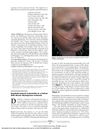
May 2013 in “JAMA Dermatology” A woman's hair turned white after taking a cancer drug called dasatinib.
 178 citations
,
October 2001 in “Genes & Development”
178 citations
,
October 2001 in “Genes & Development” The mutated hairless gene causes hair loss by acting as a new type of corepressor affecting thyroid hormone receptors.
 7 citations
,
May 2005 in “Experimental Dermatology”
7 citations
,
May 2005 in “Experimental Dermatology” Two mouse mutations cause similar hair loss despite different skin changes.
 July 2023 in “British journal of dermatology/British journal of dermatology, Supplement”
 HPV8 E6 gene causes growth of certain skin stem cells.
 January 2025 in “Dermatology Reports”
 Early and accurate diagnosis is crucial for managing rare genetic disorders like this localized variant of junctional epidermolysis bullosa.
 April 2023 in “Journal of Investigative Dermatology”
 Higher PD-1 levels are linked to fewer immune cells in hair follicles in alopecia areata.
 111 citations
,
October 2008 in “Nature Genetics”
111 citations
,
October 2008 in “Nature Genetics” Researchers found a new gene area linked to male-pattern baldness, which, along with another gene, significantly increases the risk of hair loss in men.
 November 2022 in “Journal of Investigative Dermatology”
 Scientists developed a new way to study mutations in a skin condition using blood cells, which may help diagnose and treat the disease.
RNA-based treatments show promise for managing Hutchinson-Gilford Progeria Syndrome.
 36 citations
,
September 2015 in “Forensic Science International: Genetics”
36 citations
,
September 2015 in “Forensic Science International: Genetics” Certain DNA variants can predict straight hair in Europeans but are not highly specific.