4 citations
,
January 1991 in “Journal of obstetrics and gynaecology” The photographic method accurately measures hair growth and both treatments effectively reduced hair growth in hirsute women.
 December 2023 in “Journal of the Endocrine Society”
 Blocking glucocorticoid receptors improves glucose metabolism in a PCOS mouse model.
October 2012 in “Institutional Repositories DataBase (IRDB)” Stem cell treatment can effectively regrow hair.
 1 citations
,
February 2025 in “Journal of Endocrinological Investigation”
1 citations
,
February 2025 in “Journal of Endocrinological Investigation” Screen young women with menstrual issues, acne, or excess hair for high cortisol to avoid misdiagnosis.
9 citations
,
December 2018 in “Journal of Analytical Toxicology” Ethyl glucuronide levels in hair can change when exposed to artificial sunlight, depending on hair color and thickness.
 378 citations
,
November 2011 in “Human reproduction update”
378 citations
,
November 2011 in “Human reproduction update” Experts recommend using evidence-based methods to diagnose and treat hirsutism, focusing on symptoms and underlying causes.
 7 citations
,
July 2019 in “International Journal of Molecular Sciences”
7 citations
,
July 2019 in “International Journal of Molecular Sciences” PGA-4HGF may help treat hair loss by activating hair growth pathways and extending the hair growth phase.
 3 citations
,
January 1988 in “PubMed”
3 citations
,
January 1988 in “PubMed” High prolactin levels can cause skin and hair symptoms similar to those caused by hormone imbalances.
 8 citations
,
January 2008 in “Pediatric dermatology”
8 citations
,
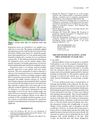
January 2008 in “Pediatric dermatology” Hair gels may cause split ends in children.
July 2026 in “Psychoneuroendocrinology” Hair cortisol and cortisone levels can indicate specific psychosocial stress factors.
 August 2025 in “Advanced Science”
 The corrections confirm the original findings on scarless hair follicle regeneration.
 January 2024 in “Figshare”
 Activating autophagy in hair follicle stem cells can lead to hair growth and repair by affecting sugar metabolism.
16 citations
,
January 2018 in “International journal of trichology” Genetics and nutritional deficiencies are key factors in premature graying of hair.
 4 citations
,
April 2018 in “Journal of Investigative Dermatology”
4 citations
,
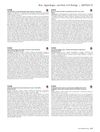
April 2018 in “Journal of Investigative Dermatology” Hydroxypinacolone retinoate is a potent anti-aging ingredient for skin that is more effective and less irritating than other forms of retinoids.
 April 2026 in “American Journal of Clinical Dermatology”
 GLP-1 receptor agonists may help or harm hair health, needing more research.
November 2025 in “Journal of Investigative Dermatology” NUL-5 may boost hair growth by improving hair follicle health and structure.
January 2024 in “Grail of science” Premature hair graying is caused by various factors and mechanisms.
 2 citations
,
September 2002 in “Journal of Endocrinological Investigation”
2 citations
,
September 2002 in “Journal of Endocrinological Investigation” The GH-IGF-I axis is likely involved in the hormonal imbalances seen in non-obese women with functional hyperandrogenism.
 3 citations
,
November 2011 in “European Journal of Dermatology”
3 citations
,
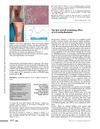
November 2011 in “European Journal of Dermatology” 4-O-methylhonokiol from Magnolia officinalis significantly promotes hair growth.
July 2024 in “International Society of Hair Restoration Surgery” The conference highlighted holistic approaches to managing hair loss.
July 2026 in “Journal of the American Academy of Dermatology” Estetrol (E4) can help hair grow longer by extending its growth phase.
 61 citations
,
January 2018 in “Cosmetics”
61 citations
,
January 2018 in “Cosmetics” Coffee silverskin may be a beneficial and safe ingredient for cosmetics, offering hydration, firmness, and potential hair growth benefits.
Hirsutism is relatively common among young Greek women.
5 citations
,
June 2015 in “The Journal of Dermatology” HTLV-1-associated lichenoid dermatitis (HALD) is linked to an immune response against HTLV-1-infected cells.
 January 2012 in “Methods in pharmacology and toxicology”
 Hair follicle culture helps study hair growth but has limitations in modeling the full hair cycle.
 November 2024 in “Jurnal Biomedika dan Kesehatan”
 Premature graying in young children can affect self-esteem, and addressing underlying health issues may reverse it.

Fad diets and supplements from social media can cause skin and hair problems.
June 2014 in “Toxicologie analytique et clinique/Annales de toxicologie analytique” Older age increases positive hair alcohol test results, and chest hair is a good alternative for testing; season affects results, with higher levels in winter.
July 2025 in “AACE Endocrinology and Diabetes” Ovarian hyperthecosis caused high testosterone and virilization symptoms in a 60-year-old woman, which improved after surgery.
November 2009 in “Medical and Surgical Dermatology”