13 citations
,
September 2017 in “Journal of Dermatological Science” Hydrogen peroxide in hair dye can cause hair loss.
 12 citations
,
February 2022 in “Acta Biomaterialia”
12 citations
,
February 2022 in “Acta Biomaterialia” Minoxidil-loaded hyaluronic acid microneedles can effectively increase hair growth and could be a promising treatment for hair loss.
11 citations
,
June 2013 in “PubMed” The automated flat iron can permanently straighten hair without chemicals, especially at 154°C, and silicone improves the results.
April 2025 in “Journal of Bioscience and Bioengineering” Centrifugal forces can help prepare hair follicle germs for hair regeneration.
 April 2018 in “Journal of Investigative Dermatology”
 Fat under the skin can help hair grow longer, darker, and increase cell growth.
25 citations
,
March 2002 in “Scanning” Confocal microscopy is better than scanning electron microscopy for studying hair in its natural state and understanding hair products' effects.
February 2013 in “Journal of the American Academy of Dermatology” Uncombable hair syndrome causes dry, frizzy hair that can't be combed flat, seen in a young child.
 24 citations
,
January 2006 in “Dermatologic clinics”
24 citations
,
January 2006 in “Dermatologic clinics” Hair sunscreens are important for maintaining hair's cosmetic value.
 March 2011 in “Focus on surfactants”
 Several companies launched new hair care ingredients in 2011 to improve conditioning, color retention, combability, and heat protection.
 2 citations
,
May 2010 in “Actas Dermo-Sifiliográficas”
2 citations
,
May 2010 in “Actas Dermo-Sifiliográficas” Home-use medical-cosmetic devices like lasers for hair removal may be convenient but need more research to confirm safety and effectiveness.
January 2002 in “Europe PMC (PubMed Central)” The model successfully simulates human hair growth and patterns, including hair loss types.
 March 2025 in “Advanced Science”
 Bioengineered hair germs using special hydrogels can help regenerate hair follicles and treat hair loss.
1 citations
,
January 2020 in “Microscopy research” Researchers successfully grew hair follicle stem cells from mice and humans, which could be useful for tissue engineering and regenerative medicine.

Activating certain hair follicle cells could prevent hair loss from cancer treatments.
 4 citations
,
March 2021 in “Journal of Surfactants and Detergents”
4 citations
,
March 2021 in “Journal of Surfactants and Detergents” Shampoo B, which uses water-soluble silicone, is better at detangling hair in wet conditions due to its two-layer conditioning film.
February 2013 in “Journal of the American Academy of Dermatology” The zinc pyrithione hair care system improves scalp hydration and reduces water loss.
30 citations
,
November 2020 in “Journal of Advanced Research” Conditioned medium from keratinocytes can improve hair growth potential in cultured dermal papilla cells.
March 2014 in “CRC Press eBooks” Human head hair can grow very long and is thicker than most body hair.
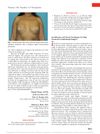 May 2015 in “Plastic and Reconstructive Surgery”
 A new method using bands and finger sheaths from gloves to manage hair during surgery is effective, quick, and reduces hair damage.
14 citations
,
September 2001 in “Archives of Dermatological Research” Blocking hair follicle development stops key gene signals needed for hair growth in mice.
17 citations
,
March 2012 in “Journal of biological chemistry/The Journal of biological chemistry” Hairless protein affects hair follicle structure by regulating the Dlx3 gene.
 5 citations
,
November 2017 in “Elsevier eBooks”
5 citations
,
November 2017 in “Elsevier eBooks” Scientists can now grow hair-like structures in a lab using special 3D culture systems, which could potentially help people with hair loss or severe burns.
 6 citations
,
October 2020 in “Journal of the European Academy of Dermatology and Venereology”
6 citations
,
October 2020 in “Journal of the European Academy of Dermatology and Venereology” Teletrichoscopy is a promising method for diagnosing hair disorders remotely during the COVID-19 pandemic.
Hair movement can indicate hair quality and health.
2 citations
,
August 1987 in “Analytical Biochemistry” A new method isolated previously undetected hair proteins rich in glycine and tyrosine.
 August 2018 in “Biomedical Journal of Scientific & Technical Research”
 Treated hair can fight dandruff and odor even after several washes.
 March 2025 in “ACS Applied Materials & Interfaces”
 Ultrasonic microneedles improve hair regrowth treatment effectiveness without side effects.
January 1994 in “Journal of the society of cosmetic chemists”  June 2026 in “Applied Biological Chemistry”
 The M5 method is best for isolating cells that help hair growth.
 March 2025 in “Journal of Cutaneous and Aesthetic Surgery”
 Non-laser devices show promise in treating hair issues, but more research is needed.