 March 2014 in “Journal of The American Academy of Dermatology”
 Mycophenolic acid may help hair growth, a combination treatment improves hair thickness in male hair loss, and early treatment of frontal fibrosing alopecia is important.
 November 2013 in “John Wiley & Sons, Ltd eBooks”
 The document concludes that accurate diagnosis of male and female gonadal disorders is crucial for effective treatment and better patient outcomes.
 November 2011 in “Informa Healthcare eBooks”
 Environmental, chemical, mechanical, and personal health factors can all damage hair and contribute to hair loss or changes in hair quality.
 June 2006 in “Experimental Dermatology”
 Understanding skin patterns can help us learn about skin diseases and their treatments.
 November 2000 in “Current problems in dermatology”
 New treatments for hair loss and excessive hair growth show promise with few side effects and advancements in laser technology.
The book is a detailed guide on hair growth issues and treatments, recommended for specialists and hospital libraries.
 October 1971 in “The BMJ”
 Hair loss can be linked to hormonal changes, and physical conditions like heart defects can cause depression.
 October 2020 in “Clinical and Experimental Dermatology”
 Hair loss improved after removing pituitary tumor.
 233 citations
,
November 2002 in “The journal of investigative dermatology/Journal of investigative dermatology”
233 citations
,
November 2002 in “The journal of investigative dermatology/Journal of investigative dermatology” Creating stronger blockers for skin enzymes might lead to better treatment for conditions like acne and excessive hair growth.
 78 citations
,
January 2000 in “Gynecological Endocrinology”
78 citations
,
January 2000 in “Gynecological Endocrinology” Norgestimate is the most effective birth control progestin for reducing an enzyme linked to acne and excessive hair growth in women.
 42 citations
,
January 2014 in “Cold Spring Harbor Perspectives in Medicine”
42 citations
,
January 2014 in “Cold Spring Harbor Perspectives in Medicine” Hair growth is influenced by various body and external factors, and neighboring hairs communicate to synchronize regeneration.
18 citations
,
November 2012 in “Current opinion in urology” Finasteride and dutasteride are equally effective and safe for treating benign prostatic hyperplasia.
 1 citations
,
January 2014 in “Springer eBooks”
1 citations
,
January 2014 in “Springer eBooks” Adult acne is more common in women, often linked to hormones, and can be harder to treat.
 January 2026 in “Journal of Epidemiology”
 Severe hair loss is linked to higher risks of hypertension and diabetes, especially in younger adults and women.
 October 2025 in “Editora Pasteur eBooks”
 Peptides improve skin health and treatments for hair loss and pregnancy-related skin issues are evolving.
 January 2019 in “The Annals of Thoracic Surgery”
 The document concludes that careful planning and execution of facial gender affirmation surgery after at least 12 months of hormonal therapy can improve the quality of life for transgender individuals.
 March 2013 in “Journal für Kardiologie (Krause & Pachernegg GmbH)”
 Hormones significantly affect hair growth and loss, with potential for new treatments.
 42 citations
,
August 2017 in “Human Reproduction”
42 citations
,
August 2017 in “Human Reproduction” Women with polycystic ovary syndrome tend to have a longer distance between the clitoris and anus.
 19 citations
,
January 2019 in “Ginekologia Polska”
19 citations
,
January 2019 in “Ginekologia Polska” The combined Myo-inositol and D-chiro-inositol treatment improved weight, hormone levels, and skin conditions in women with PCOS.
 10 citations
,
January 2012 in “International Journal of Trichology”
10 citations
,
January 2012 in “International Journal of Trichology” The study found no link between anxiety, vitamin B12, folate, TSH, ferritin, zinc levels, and trichodynia in telogen alopecia patients.
 2 citations
,
December 2021 in “Cureus”
2 citations
,
December 2021 in “Cureus” Most women with Polycystic Ovary Syndrome (PCOS) have skin issues like excessive hair, acne, or hair loss. Hormone imbalances are common, and age, certain hormones, and hormone ratios can predict acne. Obesity, infertility, and high cholesterol are also common in these women.
 2 citations
,
May 2024 in “Journal of science and medicine in sport”
2 citations
,
May 2024 in “Journal of science and medicine in sport” Exercise is crucial for managing polycystic ovary syndrome (PCOS) and improving overall health.
1 citations
,
August 2025 in “The Egyptian Journal of Internal Medicine” BMI is a simple, cost-effective tool for screening obesity and related diseases.
 1 citations
,
November 2007 in “Humana Press eBooks”
1 citations
,
November 2007 in “Humana Press eBooks” Most cases of high male hormone levels in women are due to polycystic ovary syndrome.
 October 2023 in “Research Square (Research Square)”
 Oxidative stress is linked to mild patchy alopecia areata.
 November 2022 in “Scientific Reports”
 Certain ESR1 gene variations may affect hormone levels and fat distribution in women with high male hormone levels.
January 2022 in “Open Journal of Endocrine and Metabolic Diseases” Hirsute women have higher testosterone, cholesterol, and glucose levels.
January 2020 in “Proyecto de investigación:” Longer anogenital distance may indicate a higher chance of having polycystic ovary syndrome, and measuring this distance along with hormone levels could improve diagnosis.
 February 2024 in “Biomedicines”
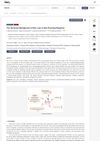
 Hormones like androgens, estrogen, thyroid hormones, and stress hormones can contribute to hair loss, and treatments target these hormonal imbalances.
May 2023 in “Research and Practical Medicine Journal” Severe COVID-19 may increase lung cancer risk and affect treatment in women due to hormonal changes.