 April 2020 in “Journal of the Endocrine Society”
 A woman's high testosterone and related symptoms were caused by overactive cells in her ovaries.
 187 citations
,
December 2005 in “Experimental Dermatology”
187 citations
,
December 2005 in “Experimental Dermatology” Estrogens can improve skin aging but carry risks; more research is needed on safer treatments.
 180 citations
,
January 2003 in “American Journal of Clinical Dermatology”
180 citations
,
January 2003 in “American Journal of Clinical Dermatology” Menopause can lead to skin and hair problems due to hormonal changes, but hormone replacement therapy might help slow these effects.
 137 citations
,
June 2005 in “Climacteric”
137 citations
,
June 2005 in “Climacteric” Estrogen loss during menopause worsens skin health, but hormone replacement therapy may improve it, though more research is needed.
 77 citations
,
July 2020 in “Journal of the European Academy of Dermatology and Venereology”
77 citations
,
July 2020 in “Journal of the European Academy of Dermatology and Venereology” Environmental factors, hormones, nutrition, and stress all significantly affect skin health and aging.
 76 citations
,
May 2007 in “Menopause International”
76 citations
,
May 2007 in “Menopause International” After menopause, women lose a lot of skin collagen, but estrogen replacement might improve skin health.
 55 citations
,
January 2007 in “Climacteric”
55 citations
,
January 2007 in “Climacteric” Menopause and aging can affect women's quality of life and sexuality, but hormone therapies may help alleviate these issues.
 44 citations
,
October 2011 in “Gynecological Endocrinology”
44 citations
,
October 2011 in “Gynecological Endocrinology” Menopause significantly reduces skin collagen, leading to thinner, less elastic skin, and hormone replacement may help but requires careful consideration.
 29 citations
,
May 1998 in “Bulletin of the American College of Nurse-Midwifery”
29 citations
,
May 1998 in “Bulletin of the American College of Nurse-Midwifery” The document concludes that menopause should be seen as a natural part of aging and managed with personalized care and informed choices.
 25 citations
,
November 2014 in “Ageing Research Reviews”
25 citations
,
November 2014 in “Ageing Research Reviews” Skin aging is caused by stem cell damage and can potentially be delayed with treatments like antioxidants and stem cell therapy.
 22 citations
,
October 2018 in “British Journal of Haematology”
22 citations
,
October 2018 in “British Journal of Haematology” Women have a higher risk of blood clots from hormonal factors and need careful treatment, especially during pregnancy.
 18 citations
,
January 2017 in “Dermatologic Surgery”
18 citations
,
January 2017 in “Dermatologic Surgery” Combining cosmetic procedures with lifestyle changes improves antiaging results.
 17 citations
,
April 2006 in “Dermatologic Clinics”
17 citations
,
April 2006 in “Dermatologic Clinics” Older women face various skin issues like dryness and thinning, and treatments are available but can have side effects; proper skin care and legal health decisions are important.
 17 citations
,
November 2000 in “Journal of the American Pharmaceutical Association”
17 citations
,
November 2000 in “Journal of the American Pharmaceutical Association” The document concludes that low-dose oral contraceptives and hormonal therapies can manage perimenopause symptoms and reduce some health risks, but lifestyle changes and disease screening are also important.
 10 citations
,
January 2014 in “Journal of Mid-life Health”
10 citations
,
January 2014 in “Journal of Mid-life Health” Menopause can cause skin issues, and seeing a dermatologist helps.
December 2025 in “International Journal of Innovative Technologies in Social Science” Localized estrogen treatments may improve skin quality with fewer risks than systemic hormone therapy.
 December 2024 in “Quality in Sport”
 Hormonal balance is vital for women's health and performance, but therapies like contraceptives and steroids have both benefits and risks.
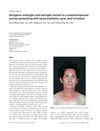 August 2009 in “International Journal of Dermatology”
 A postmenopausal woman's facial redness, acne, and excess hair were caused by too much hormone therapy for insomnia, but improved after stopping the treatment.
 32 citations
,
March 2019 in “Climacteric”
32 citations
,
March 2019 in “Climacteric” Premature ovarian insufficiency (POI) can harm women's sexual health, and they may benefit from hormone therapy and counseling.
 11 citations
,
May 2021 in “Journal of Medical Virology”
11 citations
,
May 2021 in “Journal of Medical Virology” Men are more likely to have severe respiratory viral infections like COVID-19 due to hormonal and genetic differences, while women generally have stronger immune responses.
 2 citations
,
March 2004 in “Reviews in Gynaecological Practice”
2 citations
,
March 2004 in “Reviews in Gynaecological Practice” Hormonal changes and psychological issues can cause sexual dysfunction in postmenopausal women. Behavioral therapy is recommended first, with hormone replacement helping some symptoms but not libido. Testosterone can improve libido, but its effects on overall sexual function are unclear. Emotional and relationship issues should be addressed before using medication, and the benefits and risks of testosterone supplementation should be considered.
 1 citations
,
September 2013 in “Elsevier eBooks”
1 citations
,
September 2013 in “Elsevier eBooks” Hair ages and thins due to factors like inflammation and stress, and treatments like antioxidants and hormones might improve hair health.
Menopause is a clear hormonal transition in women, while men experience a gradual testosterone decline, with some needing lifestyle changes and targeted therapy.
 5 citations
,
March 2015 in “Clinical and Experimental Dermatology”
5 citations
,
March 2015 in “Clinical and Experimental Dermatology” Chemotherapy caused a woman's permanent hair loss and early menopause.
 1 citations
,
September 2025 in “EMJ Dermatology”
1 citations
,
September 2025 in “EMJ Dermatology” Menopause affects skin and hair, and more research is needed for effective treatments.
Menopause causes skin issues like dryness and wrinkles, which can be managed with lifestyle changes and treatments.
19 citations
,
December 2012 in “BMC Complementary and Alternative Medicine” Young coconut juice speeds up wound healing.
 14 citations
,
April 2022 in “Climacteric”
14 citations
,
April 2022 in “Climacteric” Menopause causes dry skin, wrinkles, and hair changes, with hormone therapy helping but not recommended just for these issues.
2 citations
,
September 2025 in “Cosmetics” Hormonal therapies can improve skin issues by adjusting hormone levels, with future advancements promising better results.
January 2026 in “Clinics in Dermatology” Managing menopause symptoms like skin changes and hair thinning involves hormone therapy, procedures, and skincare, with emotional support being important.