 March 2013 in “Journal für Kardiologie (Krause & Pachernegg GmbH)”
 Hormones significantly affect hair growth and loss, with potential for new treatments.
 7 citations
,
May 1978 in “International Journal of Dermatology”
7 citations
,
May 1978 in “International Journal of Dermatology” Recent hair loss research shows some progress, especially in understanding male pattern baldness, but effective treatments for many types of hair loss are still lacking.
 March 2019 in “Chinese Journal of Dermatology”
 Hair loss, known as androgenetic alopecia, is mainly caused by genetics, but also by hormone imbalances, shrinking hair follicles, inflammation, and environmental factors.
 14 citations
,
January 2008 in “Gene therapy”
14 citations
,
January 2008 in “Gene therapy” Gene therapy shows promise for enhancing physical traits but faces ethical, safety, and regulatory challenges.
 February 2026 in “Brazilian Journal of Implantology and Health Sciences”
 Chronic stress and high cortisol levels can cause hair loss by disrupting hair growth.
Doctors recommend postoperative radiation for male breast cancer, advise against testosterone for vasomotor symptoms post-adrenalectomy, suggest non-hormonal treatments for atrophic vaginitis after mastectomy, note no specific treatment for anticoagulant-induced hair loss, and call for more research on silicosis from silicon carbide exposure.
April 2026 in “C&EN Global Enterprise” Serotonin's role in mental health is complex and not fully understood, affecting treatment effectiveness.
 18 citations
,
October 2021 in “Frontiers in Physiology”
18 citations
,
October 2021 in “Frontiers in Physiology” Lipocalin-Type Prostaglandin D2 Synthase (L-PGDS) is a protein that plays many roles in the body, including sleep regulation, pain management, food intake, and protection against harmful substances. It also affects fat metabolism, glucose intolerance, cell maturation, and is involved in various diseases like diabetes, cancer, and arthritis. It can influence sex organ development and embryonic cell differentiation, and its levels can be used as a diagnostic marker for certain conditions.
July 1993 in “学術講演梗概集. A, 材料施工,防火,海洋,情報システム技術” Evaluate prolactin levels with androgen and thyroid tests to rule out endocrine issues in patients with SAHA syndrome symptoms.
Accurate diagnosis and tailored treatments are crucial for managing hair loss in humans and animals.
 5 citations
,
March 2015 in “Clinical and Experimental Dermatology”
5 citations
,
March 2015 in “Clinical and Experimental Dermatology” Chemotherapy caused a woman's permanent hair loss and early menopause.
 October 2022 in “Frontiers in Cell and Developmental Biology”
 Aging skin is affected by inflammation, reduced stem cell function, and slower wound healing.
7 citations
,
October 2015 in “Experimental dermatology” Blocking the mineralocorticoid receptor can help treat skin thinning caused by steroids.
3 citations
,
July 2023 in “International journal of molecular sciences” Stress may contribute to hair loss in alopecia areata by affecting immune responses and cell death in hair follicles.
 63 citations
,
August 2008 in “Journal of Cosmetic Dermatology”
63 citations
,
August 2008 in “Journal of Cosmetic Dermatology” Cuscuta reflexa extract may help treat hair loss caused by hormones.
42 citations
,
July 2010 in “European Journal of Cell Biology” Thyroid hormones affect hair follicle stem cells by promoting differentiation and reducing growth.
 December 2022 in “Cureus”
 Hormones significantly influence hair growth, with conditions like hirsutism and patterned hair loss linked to hormone levels; more research is needed for full understanding.
 May 2023 in “International journal of pharmaceutical sciences and medicine”
 Sunflower oil was found to promote hair growth in mice with hormone-induced hair loss.
 1 citations
,
August 2015 in “Journal of the Korean neurological association”
1 citations
,
August 2015 in “Journal of the Korean neurological association” A man had a rare stroke possibly due to taking finasteride, which might have increased his hormone levels causing a blood clot. His memory loss didn't fully recover even after stopping the medication.
 February 2024 in “Biomedicines”
 Hormones like androgens, estrogen, thyroid hormones, and stress hormones can contribute to hair loss, and treatments target these hormonal imbalances.
61 citations
,
September 2010 in “Journal of Dermatological Science” Stress hormones and autoimmune reactions can cause hair loss.
 4 citations
,
January 2016 in “Journal of cosmetology & trichology”
4 citations
,
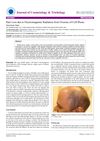
January 2016 in “Journal of cosmetology & trichology” Excessive cell phone use may cause hair loss due to electromagnetic radiation.
September 2025 in “Biological Procedures Online” The improved surgical method increases success and reduces fetal loss in fetal mouse models for scarless skin healing.
 32 citations
,
January 2022 in “International Journal of Molecular Sciences”
32 citations
,
January 2022 in “International Journal of Molecular Sciences” Melatonin, a hormone, can help protect skin from aging by reducing stress, inflammation, and damage, and may also help treat hair loss in women.
 5 citations
,
June 2015 in “Journal of Investigative Dermatology”
5 citations
,
June 2015 in “Journal of Investigative Dermatology” Feathers are useful for researching growth, regeneration, and the effects of treatments like chemotherapy on hair loss.
1 citations
,
December 2014 in “Journal of the Society of Cosmetic Scientists of Korea” CRF can cause hair loss, but blocking its receptors might prevent this.
 December 2025 in “Zenodo (CERN European Organization for Nuclear Research)”
 Hair loss is caused by diet, hormones, and scalp issues, worsened by COVID-19, with treatments like minoxidil and hair transplants available.
 December 2025 in “Zenodo (CERN European Organization for Nuclear Research)”
 Hair loss is caused by nutritional deficiencies, hormonal imbalances, and stress, with treatments like minoxidil and hair transplants available.
 January 2018 in “Elsevier eBooks”
 The document concludes that alopecia has significant social and psychological effects, leading to a market for hair loss treatments.
 3 citations
,
January 1988 in “PubMed”
3 citations
,
January 1988 in “PubMed” High prolactin levels can cause skin and hair symptoms similar to those caused by hormone imbalances.