181 citations
,
January 2019 in “Cell” Innate lymphoid cells help control skin bacteria by regulating sebaceous glands.
105 citations
,
October 2018 in “Nature” A small group of slow-growing cells causes basal cell carcinoma to return after treatment.
24 citations
,
March 2016 in “Journal of Investigative Dermatology” TIP39 and PTH2R help control calcium levels and skin cell development.
19 citations
,
January 2011 in “Frontiers in Endocrinology” Social isolation makes mice more sensitive to alcohol's effects on brain function.
18 citations
,
February 2023 in “eLife” ILC1-like cells can independently cause alopecia areata.
18 citations
,
May 2011 in “Journal of Investigative Dermatology” Wnt signaling affects the development and growth of Langerhans cells in mice.
17 citations
,
August 2020 in “Stem Cell Research & Therapy” A 3D cell model can rejuvenate stem cells to improve wound healing.
16 citations
,
April 2024 in “Proceedings of the National Academy of Sciences” HDAC4 and HDAC7 are crucial for Th17 cell development and could be targeted to treat inflammatory diseases.
13 citations
,
April 2010 in “Journal of dermatological science” Chemotherapy-induced hair loss is partly due to decreased laminin-511 and increased laminin-332.
13 citations
,
June 2006 in “Brain Research” Allopregnanolone likely doesn't influence ethanol's rewarding effects in these mice.
8 citations
,
January 2022 in “BMC Biology” Environmental factors affect reproductive traits by altering the SRD5A1 gene.
4 citations
,
December 2024 in “European Journal of Medicinal Chemistry” New pyrazole-based inhibitors show promise for treating metabolic diseases and other conditions.
4 citations
,
September 2024 in “Cell Reports” Granulocyte colony stimulating factor helps heal wounds without scars.
4 citations
,
January 2023 in “Journal of Clinical Investigation” Specific mutations in a receptor cause facial abnormalities and hair loss.
 1 citations
,
March 2022 in “Journal of Dermatological Science”
1 citations
,
March 2022 in “Journal of Dermatological Science” Adding TERT and BMI1 to certain skin cells can improve their ability to create hair follicles in mice.
February 2026 in “iScience” Hair metal analysis may help diagnose Parkinson's disease and suggests gut involvement.
January 2026 in “Burns & Trauma” NLRP3 helps control inflammation and repair in wound healing, making it a potential target for treatment.
Stress can cause hair loss and trigger autoimmunity by damaging hair follicle cells.
September 2025 in “Science Advances” PADI4 enzyme slows down cell growth in developing hair follicles.

Arginine deficiency hinders hair growth in androgenetic alopecia, but restoring it can promote hair regeneration.
July 2025 in “Materials Today Bio” TFC-loaded microneedles effectively promote hair regrowth in androgenetic alopecia.
 February 2025 in “Journal of Investigative Dermatology”
 The ZIP13 variant is linked to abnormal hair quality.
January 2025 in “Biomaterials Research” The new zinc peroxide hydrogel speeds up wound healing and tissue regeneration effectively.
 October 2023 in “Current Issues in Molecular Biology”
 The YH complex, made from Astragalus membranaceus and Cinnamomum cassia, may help treat hair loss by promoting hair growth and follicle development.
 May 2023 in “Journal of Ethnopharmacology”
 The wild garlic plant, Allium macrostemon Bunge, can promote hair growth and could potentially be used to treat hair loss.
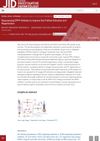 May 2023 in “Journal of Investigative Dermatology”
 Blocking DPP4 can potentially speed up hair growth and regeneration, especially after injury or in cases of hair loss.
Different types of sun exposure damage skin cells and immune cells, with chronic exposure leading to more severe and lasting damage.
KY19382 helps to regrow hair and create new hair follicles.
 1 citations
,
May 2021 in “BMC Proceedings”
1 citations
,
May 2021 in “BMC Proceedings” The document concludes that more research is needed to reduce frequent hospital visits, addiction medicine education improves with specific training, early breast cancer surgery findings are emerging, nipple smears are not very accurate, surgery for older melanoma patients doesn't extend life, a genetic condition in infants can often be treated with one drug, doctors are inconsistent with blood clot medication, a certain gene may protect against cell damage, muscle gene overexpression affects many other genes, and some mitochondrial genes are less active in mice with tumors.
 1 citations
,
October 2021 in “Gene, cell and tissue”
1 citations
,
October 2021 in “Gene, cell and tissue” Grape sap may help reduce hair loss and promote hair growth in rats.