96 citations
,
October 1987 in “The Journal of Clinical Endocrinology & Metabolism” Chronic GnRHa treatment can help manage endometrial hyperplasia and reduce ovarian androgen excess in PCO patients.
 14 citations
,
March 2017 in “Brain research”
14 citations
,
March 2017 in “Brain research” Progesterone and its byproducts control a specific receptor in the brain independently of progesterone receptors, affecting conditions related to the menstrual cycle.
 30 citations
,
June 2019 in “Frontiers in Endocrinology”
30 citations
,
June 2019 in “Frontiers in Endocrinology” The document concludes that managing non-classical congenital adrenal hyperplasia in females requires personalized treatment, genetic counseling, and a team of specialists.
 12 citations
,
January 2004 in “Reproductive biomedicine online”
12 citations
,
January 2004 in “Reproductive biomedicine online” Low-dose anti-androgen drugs and certain drug combinations are effective for hirsutism, and insulin sensitizers show promise, especially for those with polycystic ovarian syndrome.
 25 citations
,
December 2018 in “Human Molecular Genetics”
25 citations
,
December 2018 in “Human Molecular Genetics” The document concludes that certain mutations may contribute to the inflammation in hidradenitis suppurativa and suggests that targeting TNFα could be a treatment strategy.
New treatments for alopecia areata, like JAK inhibitors and immunomodulators, are promising.
12 citations
,
January 1999 in “Journal of Animal Science” Glucocorticoids and thyroid hormones together are essential for fetal fat development.
 12 citations
,
August 2019 in “Dermatitis”
12 citations
,
August 2019 in “Dermatitis” Dupilumab for skin problems might reactivate hair loss in some patients.
 18 citations
,
August 1985 in “European journal of endocrinology”
18 citations
,
August 1985 in “European journal of endocrinology” Cyproterone acetate is effective for treating hirsutism, but some patients may feel worse on low-dose maintenance therapy.
19 citations
,
July 2024 in “Journal of Cellular and Molecular Medicine” Astaxanthin may reduce inflammation in women with PCOS, but doesn't significantly improve symptoms.
 April 2020 in “Journal of the Endocrine Society”
 Non-classic congenital adrenal hyperplasia (NCCAH) can mimic PCOS and requires genetic testing for proper diagnosis and treatment.
March 2023 in “Journal of Drugs in Dermatology” Hormonal therapies, especially antiandrogens, can help manage Hidradenitis Suppurativa.
 1 citations
,
January 2025 in “American Journal of Translational Research”
1 citations
,
January 2025 in “American Journal of Translational Research” PPARα agonists may help treat alopecia areata by reducing inflammation.
 7 citations
,
October 2024 in “Frontiers in Immunology”
7 citations
,
October 2024 in “Frontiers in Immunology” A humanized CXCL12 antibody may delay and treat alopecia areata by altering the immune response.
 1 citations
,
November 2002 in “Endocrine practice”
1 citations
,
November 2002 in “Endocrine practice” The patient's high testosterone was reduced by a medication that suppresses gonadotropin.
April 2021 in “Journal of Investigative Dermatology”  2 citations
,
January 2021 in “Case reports in endocrinology”
2 citations
,
January 2021 in “Case reports in endocrinology” The girl's condition improved with treatment, showing no new autoimmune diseases and hair regrowth.
24 citations
,
January 2017 in “Dermatology online journal” Hormonal therapies might help treat hidradenitis suppurativa, but treatment is complex and personalized.
33 citations
,
October 2018 in “BMJ Case Reports” Aggressive treatment in young patients with certain drug reactions may lead to multiple autoimmune diseases later.
October 2021 in “Journal of Investigative Dermatology” Blocking IL-12 can help treat alopecia areata by preventing hair follicle immune issues.

Farudodstat can prevent hair follicle immune damage linked to alopecia areata.
November 2025 in “Journal of Dermatological Treatment” Dexamethasone oral mini-pulse therapy effectively treats severe alopecia areata when JAK inhibitors can't be used.
 February 2024 in “Psychoneuroendocrinology”
 The COVID-19 pandemic did not significantly change stress levels in preschoolers, but higher-income families' children showed higher stress.
September 2025 in “OSF Preprints (OSF Preprints)”  July 2024 in “Occupational Medicine”
 Higher cortisol levels are linked to poor coping, while higher DHEA levels are linked to job confidence.
 45 citations
,
November 2015 in “Dermatologic Clinics”
45 citations
,
November 2015 in “Dermatologic Clinics” Hormones might affect the skin condition hidradenitis suppurativa, but their exact role is unclear.
25 citations
,
September 2014 in “Pharmacotherapy” Hormone therapy can improve mental health and quality of life for people with gender dysphoria, but long-term effects need more research.
31 citations
,
December 2016 in “Anais Brasileiros de Dermatologia” DHEA reduction may be linked to frontal fibrosing alopecia, but more research is needed.
 1 citations
,
February 2009 in “Clinical and Experimental Dermatology”
1 citations
,
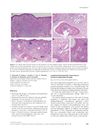
February 2009 in “Clinical and Experimental Dermatology” Hormone-replacement therapy improved a woman's skin condition known as lymphomatoid papulosis.
1 citations
,
November 2016 in “Saengmyeong gwahag hoeji/Saengmyeong gwahak hoeji” New treatments for the autoimmune hair loss condition alopecia areata may include JAK inhibitors and other immunomodulators.