 October 2025 in “Zenodo (CERN European Organization for Nuclear Research)”
 Hormonal imbalances in women can cause acne, excess hair growth, and hair loss, needing combined medical and mental health care.
 November 2022 in “The journal of investigative dermatology/Journal of investigative dermatology”
 IL-15 promotes hair growth and protects hair follicles.
 October 2003 in “Journal of Investigative Dermatology Symposium Proceedings”
 Mice treatments didn't grow hair, a patient treatment may affect immune response, and people with hair loss often feel anxious or depressed.
30 citations
,
February 2016 in “British journal of dermatology/British journal of dermatology, Supplement” Some medications can reduce excessive hair growth in women, but more research is needed to find the best treatment combinations.
October 2020 in “The American journal of gastroenterology” Para-aminobenzoic acid in hair supplements can cause autoimmune hepatitis.
 68 citations
,
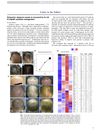
November 2015 in “The Journal of Allergy and Clinical Immunology”
68 citations
,
November 2015 in “The Journal of Allergy and Clinical Immunology” Blocking IL-12/IL-23p40 helped reverse severe hair loss in patients.
 January 2023 in “Archives of Disease in Childhood Education & Practice”
 Hirsutism in teens is often due to polycystic ovarian syndrome and needs careful assessment and support.
7 citations
,
September 2024 in “International Journal of Molecular Sciences” PCOS involves high 11-oxygenated androgens and BPA may worsen it, while IH is not inflammatory.
 September 2016 in “Journal of Dermatological Science”
 A gene mutation worsens skin irritation in mice due to a lack of certain fats.
1 citations
,
January 2023 Hyperandrogenism in women often causes acne and excess hair, treatable with personalized plans including weight loss, hair removal, and medications.
 12 citations
,
June 2019 in “Psychoneuroendocrinology”
12 citations
,
June 2019 in “Psychoneuroendocrinology” Allopregnanolone is needed for certain brain processing issues caused by D1 dopamine receptor activation.
5 citations
,
January 1994 in “Dermatology” Corticosteroid therapy reduces specific immune cells and promotes hair growth in alopecia areata patients.
 4 citations
,
December 1994 in “PubMed”
4 citations
,
December 1994 in “PubMed” Cyproterone acetate with estradiol improved women's self-confidence and emotional well-being without a difference between oral or transdermal methods, but younger women preferred the oral method.
 30 citations
,
December 2001 in “Experimental dermatology”
30 citations
,
December 2001 in “Experimental dermatology” Gonadal hormones significantly affect the severity of alopecia areata in mice.
 5 citations
,
July 2020 in “Journal of the American Academy of Dermatology”
5 citations
,
July 2020 in “Journal of the American Academy of Dermatology” Adding antihistamines to topical corticosteroid and cryotherapy may improve hair regrowth in alopecia areata patients.
 January 2025 in “Advances in Dermatology and Allergology”
 A holistic approach, including medical treatments, lifestyle changes, and mental health support, is crucial for managing hirsutism in women.
11 citations
,
November 2011 in “Neuroreport” Paroxetine relieves pain by increasing allopregnanolone levels.
January 2018 in “bioRxiv (Cold Spring Harbor Laboratory)” The mutant HR bmh protein mis-localizes in cells, affecting skin and hair development.
November 2024 in “Journal of Investigative Dermatology” Adrenomedullin 2 stops cell growth and causes cell death in human hair follicles.
 1 citations
,
July 2022 in “Journal of dermatology”
1 citations
,
July 2022 in “Journal of dermatology” Disrupted citric acid metabolism stops hair growth.
3 citations
,
July 2009 in “Experimental and Clinical Endocrinology & Diabetes” Low-dose Buserelin effectively reduces hirsutism with minimal side effects.
 4 citations
,
July 2008 in “British journal of dermatology/British journal of dermatology, Supplement”
4 citations
,
July 2008 in “British journal of dermatology/British journal of dermatology, Supplement” Poor response to topical immunotherapy in alopecia areata patients is linked to impaired cell responses.
January 2020 in “Turkish Journal of Dermatology” Stress can affect skin and hair health through hormones.
55 citations
,
March 2005 in “Neuropharmacology” A neurosteroid can reduce caffeine-induced anxiety in rats.
39 citations
,
January 2018 in “British journal of dermatology/British journal of dermatology, Supplement” Acne and hidradenitis suppurativa have different causes and risk factors, but both are driven by inflammation and may benefit from treatments targeting interleukin-1.
 4 citations
,
January 2023 in “Skin health and disease”
4 citations
,
January 2023 in “Skin health and disease” Blocking Janus kinase 1 helps stop inflammation and regrow hair, making it a good treatment for hair loss from alopecia areata.
62 citations
,
December 1995 in “The Journal of Clinical Endocrinology & Metabolism” Combining a GnRH agonist with a low-dose oral contraceptive is more effective and safer for treating hirsutism than using either alone.
10 citations
,
October 2011 in “Dermatologica Sinica” A patient with PPP had rare skin reactions to adalimumab, which improved after stopping smoking and continuing acitretin.
 4 citations
,
June 2017 in “Anais Brasileiros De Dermatologia”
4 citations
,
June 2017 in “Anais Brasileiros De Dermatologia” Aryl hydrocarbon receptor overexpression found in miniaturized hair follicles in female hair loss.
 June 2020 in “Annals of the Rheumatic Diseases”
 Patients need better information about the risks of long-term steroid use.