 9 citations
,
September 2014 in “Cancer Epidemiology, Biomarkers & Prevention”
9 citations
,
September 2014 in “Cancer Epidemiology, Biomarkers & Prevention” Certain genetic variants in the androgen receptor are linked to higher PSA levels, potentially affecting prostate cancer screening outcomes.
May 2010 in “Europe PMC (PubMed Central)” Near-infrared probes can safely and effectively image cysteine protease activity for disease diagnosis.
April 2018 in “The journal of investigative dermatology/Journal of investigative dermatology” Esrp1 is important for skin health by helping form and maintain the skin barrier.
50 citations
,
February 2007 in “The Journal of Pathology” Somatic BHD mutations are rare in Japanese renal tumors.
 July 2016 in “Experimental Dermatology”
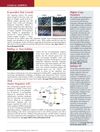
 New treatments for hair growth and psoriasis may be possible, and gene differences could affect baldness and the severity of skin conditions.
December 2009 in “Cancer Research” Over-expression of Sp2 can lead to cancer by preventing proper stem cell differentiation.
March 2026 in “Skin Appendage Disorders” Belatacept may be a promising treatment for alopecia areata.
10 citations
,
June 2022 in “Biomedicine & Pharmacotherapy” ARTS helps stop tumors by promoting cell death.
 January 2017 in “Clinical & medical biochemistry”
 Certain gene variations in AKT2 are more common in women with PCOS and are linked to higher levels of specific hormones and symptoms.
4 citations
,
January 2023 in “bioRxiv (Cold Spring Harbor Laboratory)” PrrH sRNA controls pyochelin gene expression in Pseudomonas aeruginosa based on heme levels.
39 citations
,
September 2018 in “American Journal of Medical Genetics Part A” A new genetic mutation in the ODC1 gene causes developmental delay and other symptoms in a young girl.
A new mutation in the CYP11B1 gene was found in a woman with mild hyperandrogenemia, a rare cause of non-classic congenital adrenal hyperplasia.
Inhibiting mTORC2 can reduce DNA repair and increase cancer cell death, suggesting potential for targeted brain cancer treatments.
December 2024 in “European journal of medical research” ANE syndrome is caused by a mutation in the RBM28 protein that disrupts ribosome assembly.
 January 2023 in “International journal of biological sciences”
 COX2 and ATP synthase control the size of hedgehog spines.
 23 citations
,
December 2013 in “British Journal of Dermatology”
23 citations
,
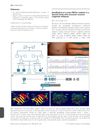
December 2013 in “British Journal of Dermatology” A new gene mutation linked to a skin condition was found in a Spanish family.
44 citations
,
May 2023 in “MedComm” PROTAC technology shows promise for cancer treatment but needs more effective E3 ligase recruiters.
 27 citations
,
June 2005 in “The journal of investigative dermatology/Journal of investigative dermatology”
27 citations
,
June 2005 in “The journal of investigative dermatology/Journal of investigative dermatology” The study found that variations in hair protein genes are likely due to evolutionary deletions or duplications.
June 2025 in “Academic Medical Journal” Restoring hair follicle immune privilege may help treat alopecia areata.
 4 citations
,
January 2016 in “International journal of reproduction, contraception, obstetrics and gynecology”
4 citations
,
January 2016 in “International journal of reproduction, contraception, obstetrics and gynecology” A certain genetic variation is linked to a higher risk of polycystic ovarian syndrome.
May 2026 in “ACS Catalysis” Efficient enzyme function relies on specific residue interactions and structural coordination.
January 2026 in “Animal Genetics” A genetic variant in the GJB6 gene likely caused the Labrador's paw pad condition.
19 citations
,
March 2016 in “Frontiers in Plant Science” Spermidine is essential for plant growth and adaptation to stress.
 March 2016 in “West Indian medical journal”
 There is no significant link between alopecia areata and the PON1 enzyme polymorphisms studied.
 1 citations
,
July 1997 in “The Lancet”
1 citations
,
July 1997 in “The Lancet” Scientists found a new protein, AMY117, common in Alzheimer's patients, which could be important for treatment and diagnosis.
112 citations
,
January 2013 in “Experimental dermatology” Faulty Notch signalling may cause hair follicle changes and inflammation in hidradenitis suppurativa.
3 citations
,
September 2024 in “Experimental Dermatology” IL-18 levels are higher in hidradenitis suppurativa patients and may indicate disease severity.
January 2026 in “Cytokine”  55 citations
,
November 2018 in “American journal of human genetics”
55 citations
,
November 2018 in “American journal of human genetics” Mutations in the LSS gene cause a rare type of hereditary hair loss.