20 citations
,
April 2014 in “Autoimmunity” A specific gene variant (rs4833095) is linked to a higher risk of alopecia areata in Koreans.
 December 2021 in “Molecular genetics and genomics”
 Cats with abnormal hair had DSG4 gene changes causing hair problems.
December 2021 in “OPAL (Open@LaTrobe) (La Trobe University)” Disrupting the Hars2 gene in mice causes hearing loss due to mitochondrial problems and hair cell damage.
8 citations
,
May 2005 in “Fertility and Sterility” A specific gene variation is linked to a higher risk of polycystic ovary syndrome in Caucasian women.
80 citations
,
June 1997 in “The American Journal of Human Genetics” October 2019 in “Al Mustansiriyah Journal of Pharmaceutical Sciences” The CTLA-4 gene polymorphism does not affect polycystic ovarian syndrome.
135 citations
,
October 1999 in “Journal of Cell Science” Overexpressing PKCα in mice skin increases inflammation but doesn't affect tumor growth.
 106 citations
,
March 2013 in “Nature Communications”
106 citations
,
March 2013 in “Nature Communications” A new genetic region, 17q21.31, is linked to higher ovarian cancer risk.
 July 2022 in “The journal of investigative dermatology/Journal of investigative dermatology”
 MPZL3 is important for controlling the hair growth cycle in mice and humans.
 4 citations
,
July 2025 in “Frontiers in Immunology”
4 citations
,
July 2025 in “Frontiers in Immunology” Early intervention with JAK inhibitors may prevent alopecia areata progression.
 April 2012 in “Encyclopedia of Life Sciences”
 Different genes are linked to various types of hair loss.
2 citations
,
December 2013 in “Journal of dermatology” A specific gene mutation causes a rare hair loss condition in a Chinese patient.
34 citations
,
July 2020 in “American journal of human genetics” Changes in the SREBF1 gene cause a rare genetic skin and hair disorder.
26 citations
,
June 2003 in “PubMed” Alpha-difluoromethylornithine prevents cancer in mice but causes hair loss.
 16 citations
,
March 2013 in “The Journal of Dermatology”
16 citations
,
March 2013 in “The Journal of Dermatology” Low TRPS1 expression in skin and hair cells is linked to hair problems in Trichorhinophalangeal syndrome.
 2 citations
,
January 2023 in “Scientific Reports”
2 citations
,
January 2023 in “Scientific Reports” HIF-1α is important for hair growth and could be a treatment target for hair loss.
2 citations
,
January 2020 in “Evidence-based Complementary and Alternative Medicine” Hataedock treatment improved skin health and reduced atopic dermatitis symptoms by enhancing the skin barrier and reducing inflammation.
12 citations
,
July 2015 in “Tissue Antigens” The A allele of the C2 gene increases the risk of lupus, while the G allele may protect against it.
16 citations
,
January 2023 in “Gynecological Endocrinology” Liver damage in PCOS is linked to iron overload and cell death due to the miR-761-hepcidin/GPX4 pathway.
77 citations
,
June 2002 in “Journal of Investigative Dermatology” CD44 variant changes start alopecia areata, but don't maintain it.
 1 citations
,
August 2012 in “Journal der Deutschen Dermatologischen Gesellschaft”
1 citations
,
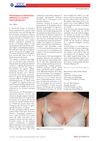
August 2012 in “Journal der Deutschen Dermatologischen Gesellschaft” A woman's hyperandrogenism was caused by a genetic mutation leading to non-classic adrenogenital syndrome.
11 citations
,
November 2015 in “Carcinogenesis” Deleting TNFα gene reduces skin cancer risk in certain mice.
 November 2022 in “The journal of investigative dermatology/Journal of investigative dermatology”
 IL-15 promotes hair growth and protects hair follicles.
April 2017 in “The journal of investigative dermatology/Journal of investigative dermatology” Researchers found that certain miRNAs, which affect immune system regulation, are differently expressed in mice with a hair loss condition compared to healthy mice.
October 2025 in “Science Advances” IFN-γ production by CD4 T cells is crucial for causing alopecia areata.
A new mutation in the TRPS1 gene caused Trichorhinophalangeal syndrome in a 17-year-old, highlighting the need for genetic testing.
4 citations
,
January 2019 in “Journal of cutaneous pathology” The mTOR pathway may be involved in the development of hair follicle tumors, with higher activity in malignant tumors.
2 citations
,
February 2024 in “Medicine” A mutation in the IL2RA gene increases the risk of alopecia areata.
286 citations
,
August 2007 in “Journal of Clinical Investigation” Alopecia areata is an autoimmune disease where T cells attack hair follicles.
 36 citations
,
October 2000 in “British Journal of Dermatology”
36 citations
,
October 2000 in “British Journal of Dermatology” A different gene near the hairless gene on chromosome 8p21 causes a rare hair loss condition in a German family.