Search
for
Sort by
Research
420-450 / 1000+ resultsresearch LB793 A phase 1, open-Label, single ascending dose study in healthy subjects of the safety, tolerability and pharmacokinetics of ASLAN004, a novel IgG anti-IL-13 receptor alpha 1 Inhibitor
ASLAN004 was safe and well-tolerated, supporting further development for treating certain diseases.
research Response to Bhoyrul B., “The treatment of primary cicatricial alopecia is challenging”
Gabapentin helps with scalp itch, dutasteride works for frontal fibrosing alopecia, and more research is needed for better PCA treatments.
research Histone deacetylase 1 in patients with alopecia areata and acne vulgaris: An epigenetic alteration
Higher HDAC1 levels in alopecia areata suggest HDAC inhibitors might help treat it and acne.
research Rapp-Hodgkin syndrome: A review of the aspects of hair and hair color
Rapp-Hodgkin syndrome, AEC, and EEC are different expressions of the same genetic disorder caused by TP63 gene mutations.

research ZO-1 boosts the in vitro self-renewal of pre-haematopoietic stem cells from OCT4-reprogrammed human hair follicle mesenchymal stem cells through cytoskeleton remodeling
ZO-1 helps hair follicle stem cells renew better by changing their structure.

research 8368 Functional Evaluation Of Novel CYP21A2 Variants: Expanding The Genetic Basis Of Non-classic CAH
Certain genetic variants reduce enzyme activity, contributing to non-classic congenital adrenal hyperplasia.

research 1419 Pre-clinical in-vitro assays for high throughput screening of drug candidates for protection and restoration of immune privilege in alopecia areata
The research developed methods to test drugs that could protect and restore hair follicle protection in a hair loss condition.
research Targetoid Hair Regrowth Pattern in Alopecia Areata: A Case Series
A rare hair regrowth pattern can occur in some people with alopecia areata.

research Single-cell transcriptomics reveals hair growth retardation mediated by aberrant connective tissue sheath contraction in male androgenetic alopecia
Inhibiting connective tissue sheath contraction may improve hair growth in male pattern baldness.

research Janus kinase inhibitors for alopecia areata
JAK inhibitors offer new hope for treating severe alopecia areata.

research Long-term Prophylaxis with Androgens in the management of Hereditary Angioedema (HAE) in emerging countries
Long-term use of androgens can help manage Hereditary Angioedema (HAE) but may cause serious side effects, so alternative treatments with fewer side effects are being considered.

research Autolougous platelet concentrates in esthetic medicine
Autologous platelet concentrates show promise in esthetic treatments but need more standardized research.
research SAT-288 Successful Virilization of a PAIS Patient with a Missense Mutation In The Ligand-binding Domain Of The Androgen Receptor with Combined High-dose Testosterone and Aromatase Inhibitor
A 12-year-old boy with PAIS successfully developed male characteristics using high-dose testosterone and anastrozole.
research Alopecia areata as another immune‐mediated disease developed in patients treated with tumour necrosis factor‐α blocker agents
Anti-TNF-α therapy may increase the risk of developing alopecia areata, especially in those with a history of autoimmune disease.
research Les Rencontres d’Experts du Psoriasis : des recommandations pour la pratique quotidienne
Tofacitinib shows promise for treating severe alopecia areata with good safety and effectiveness.

research Outgoing ABHRS President’s Corner
The document's content could not be processed.
research Simultaneous Onset of Alopecia Areata and Idiopathic Thrombocytopenic Purpura: A Potential Association?
A young girl had both alopecia areata and immune thrombocytopenic purpura at the same time, suggesting a possible link between the two.

research Health Education England: stakeholder summit and preparations for phase two
Health Education England is moving forward with phase two of their cosmetic intervention project after a successful summit and plans for future training standards.

research Acne exacerbation after tofacitinib treatment for alopecia areata
Tofacitinib, a hair regrowth treatment, may worsen acne.
research A Receptor-Like Kinase Mediates Ammonium Homeostasis and Is Important for the Polar Growth of Root Hairs inArabidopsis
The CAP1 gene helps control ammonium levels and is necessary for the proper growth of root hairs in Arabidopsis.
research ISHRS Best Practices Survey Project MODULE: Anesthesia and Emergency SUMMARY ANALYSIS

research Polyglandular Syndrome Type 1 Complicated with Dilated Cardiomyopathy: A Case Report
A 27-year-old with APS-1 showed improvement in symptoms after treatment.
research Development of a Novel Penetration-Enhancing Agent for Hair Products
HAIRCARECUBE TM (HCC) helps hair products work better by getting active ingredients deeper into the hair.

research Isoproterenol directs hair follicle-associated pluripotent (HAP) stem cells to differentiate in vitro to cardiac muscle cells which can be induced to form beating heart-muscle tissue sheets
Isoproterenol helps hair follicle stem cells turn into beating heart muscle cells.
research Etude des multiples rôles des phosphatidylinositol-4-kinases betas dans la morphogenèse et les réponses de défense d'Arabidopsis thaliana
Phosphatidylinositol 4-kinases are crucial for root growth, defense, and immunity in Arabidopsis thaliana.
research BH15 The burden of alopecia areata: examining baseline health-related quality of life and clinical assessment tools
Alopecia areata greatly affects quality of life, especially mental health, and newer assessment tools better capture this impact than older ones.

research Aberrant connective tissue sheath contraction drives premature hair follicle regression by inducing progenitor cell depletion in androgenetic alopecia
Abnormal contraction of connective tissue in hair follicles causes hair loss by killing off important cells, and treating this could improve hair growth.

research The efficacy of a photolyase-based device on the cancerization field: a clinical and thermographic study
The photolyase-based device significantly changed the size and heat of potential skin cancer areas in patients.
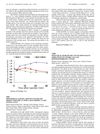
research 1408 INDUCTION OF SECRETED WNT FACTOR WISP1/CCN4 BY HUMAN PROSTATE STROMAL CELLS BY MICROENVIORNMENTAL HYPOXIA
Human prostate cells produce more WISP1/CCN4 when there's not enough oxygen.