35 citations
,
December 2008 in “PubMed” Trichilemmoma, BCC, and SCC tumors have different stem cell marker expressions.
1 citations
,
January 2010 Ornithine decarboxylase is crucial for human hair growth and the hair cycle.
 34 citations
,
April 2009 in “Skin Pharmacology and Physiology”
34 citations
,
April 2009 in “Skin Pharmacology and Physiology” Minoxidil affects cell growth in two ways: low doses increase growth, while high doses slow it down and can be toxic.
38 citations
,
September 1997 in “The journal of investigative dermatology/Journal of investigative dermatology” A mutation in mice causes hair loss and skin issues due to a defect in a gene affecting cell adhesion.
107 citations
,
May 1999 in “Archives of Dermatological Research” Basal cell carcinoma may start from parts of tiny hair follicles.
 47 citations
,
April 2000 in “The American journal of pathology”
47 citations
,
April 2000 in “The American journal of pathology” Bcl-2 overexpression protects against UVB damage but worsens hair loss from chemotherapy.
7 citations
,
January 2019 in “Methods in molecular biology” Engineered skin with hair follicles can improve burn treatments.
 40 citations
,
June 2013 in “Biomaterials”
40 citations
,
June 2013 in “Biomaterials” Scientists created 3D hair-like structures that could help study hair growth and test treatments.
 January 2026 in “Cirugía Plástica .”
 Topical glutamic acid may help hair regrow after burns, but more human testing is needed.
 September 2025 in “Sahel Journal of Life Sciences FUDMA”
 Chemical hair straighteners can severely damage hair and scalp with repeated use.
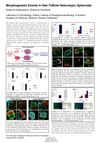
Researchers developed a method to create artificial hair follicles that may help with hair loss treatment and research.
34 citations
,
March 2009 in “British journal of dermatology/British journal of dermatology, Supplement” Vitamin C derivative helps hair grow longer by making cells produce a growth factor through a specific cellular pathway.
 June 2020 in “Journal of Investigative Dermatology”
 Tiny particles from skin cells can help activate hair growth.
 January 2026 in “Current Issues in Molecular Biology”
 FGF-7 helps hair grow by activating hair follicles and is a promising target for hair loss treatments.
 37 citations
,
October 2009 in “Dermatology”
37 citations
,
October 2009 in “Dermatology” Minoxidil stimulates hair growth by increasing hair thickness and prolonging growth phase.
29 citations
,
October 2010 in “Journal of Investigative Dermatology” Activating Kras in mouse skin causes excess skin and hair loss.
 May 2007 in “Faculty Opinions – Post-Publication Peer Review of the Biomedical Literature”
 Hair can regrow in adult mice's skin after injury, and this process can be boosted by increasing Wnt7a, a protein. This could potentially help treat baldness and change our understanding of hair growth.
 131 citations
,
July 2009 in “Experimental Dermatology”
131 citations
,
July 2009 in “Experimental Dermatology” The document concludes that specific cells are essential for hair growth and more research is needed to understand how to maintain their hair-inducing properties.
 3 citations
,
February 2005 in “Aktuelle Dermatologie”
3 citations
,
February 2005 in “Aktuelle Dermatologie” Prolactin and TGF-β receptor blockers might help treat hair loss.
5 citations
,
October 2020 in “Bioengineering & translational medicine” Researchers used a laser to create advanced skin models with hair-like structures.
 14 citations
,
October 2020 in “Scientific reports”
14 citations
,
October 2020 in “Scientific reports” Hair greying is linked to reduced ATM protein in hair cells, which protects against stress and damage.
 November 2025 in “Scientific Reports”
 COVID-19 may cause hair loss by affecting hair follicles.
105 citations
,
December 1998 in “Archives of Dermatological Research” Dermal papilla cells mainly drive blood vessel growth in hair follicles.
August 2013 in “International Wound Journal” Non-hairy skin cells might be used to regenerate hair, helping with baldness and skin wounds.
25 citations
,
July 1994 in “Journal of dermatological science” Testosterone affects hair follicles differently across body sites, with beard hair follicles showing more activity of a specific enzyme and presence of androgen receptors compared to scalp hair.
 3 citations
,
July 2015 in “European Journal of Dermatology”
3 citations
,
July 2015 in “European Journal of Dermatology” AGEs may cause hair loss by increasing inflammation in hair follicles.
 September 2019 in “Journal of Investigative Dermatology”
 Researchers developed a new method to deliver molecules to hair follicles to manage hair growth without damaging surrounding skin.
73 citations
,
January 2002 in “Journal of Investigative Dermatology” Epidermal stem cells don't use gap junctions to communicate.
 9 citations
,
September 2018 in “Journal of Photochemistry and Photobiology B-biology”
9 citations
,
September 2018 in “Journal of Photochemistry and Photobiology B-biology” A hair-growth formula with cystine and thiamin helps protect skin cells against UV damage and improves their growth.

Human hair follicle cells can be turned into stem cells that may help clone hair for treating hair loss or burns.