 September 2024 in “Journal of the American Academy of Dermatology”
 Regulatory γδ T cells help protect hair follicles from alopecia areata and promote hair regrowth.
 July 2021 in “World journal of plastic surgery”
 Hair transplantation is effective for treating scar-related hair loss on the head and neck.
 45 citations
,
November 2017 in “Biomaterials”
45 citations
,
November 2017 in “Biomaterials” Researchers found a new way to create hair-growing structures in the lab that can grow hair when put into mice.
 January 2024 in “ACS Biomaterials Science & Engineering”
 A new method using a microfluidic device can prepare hair follicle germs efficiently for potential use in hair loss treatments.
47 citations
,
June 2013 in “Biology of blood and marrow transplantation” Mice with human fetal thymic tissue and stem cells developed symptoms similar to chronic graft-versus-host disease.
 June 2020 in “Journal of Investigative Dermatology”
 Scientists successfully grew mini hair follicles using human skin cells, which could help treat baldness.
 28 citations
,
January 2013 in “Stem cells”
28 citations
,
January 2013 in “Stem cells” Certain human skin cells marked by CD44 and ALDH are rich in stem cells capable of long-term skin renewal.
64 citations
,
August 1977 in “PubMed” Skin changes help detect graft-versus-host reaction early after bone marrow transplants.
 7 citations
,
January 1981 in “Springer eBooks”
7 citations
,
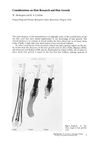
January 1981 in “Springer eBooks” The document concludes that hair biology is complex and there are still unanswered questions about hair loss and follicle changes.
38 citations
,
April 2005 in “Journal of Investigative Dermatology” Human hair follicle cells can become fat and bone cells, useful for therapy.
 1 citations
,
October 2018 in “InTech eBooks”
1 citations
,
October 2018 in “InTech eBooks” The document concludes that treatments for cicatricial alopecia are not well-supported by evidence, but hair transplantation shows more predictable and satisfactory results.
 November 2001 in “Dermatologic Surgery”
 Galea fixation is a safe and effective way to remove bald scalp with minimal scarring and reduced stretch-back.
October 2025 in “Dermatologic Surgery” Twisted hair follicles can survive transplantation as well as intact ones.
71 citations
,
January 2011 in “Journal of cutaneous pathology” A rare skin condition was confirmed to be associated with a specific virus in a young girl.
13 citations
,
January 2002 in “Clinics in dermatology” A mushroom extract might reduce hair loss and liver damage caused by certain chemotherapy drugs in animals.
 June 2023 in “Stem cell reviews and reports”
 Stem cell therapies could be a promising alternative for hair loss treatment, but more research is needed to understand their full potential and safety.
 August 2021 in “International Journal of Dermatology and Venereology”
 Platelet-Rich Fibrin (PRF) can speed up healing in chronic wounds, improve hair density, and act as a natural filler for skin rejuvenation, but its use in hair loss treatment needs more evaluation.
 7 citations
,
January 2013 in “The journal of investigative dermatology/Journal of investigative dermatology”
7 citations
,
January 2013 in “The journal of investigative dermatology/Journal of investigative dermatology” T-cell reconstitution after thymus transplantation can cause hair whitening and loss.
14 citations
,
March 2015 in “Stem Cell Research & Therapy” ABCG2 protein marks stem-like skin cells in human epidermis.
 June 1999 in “Proceedings of SPIE”
 The CO₂ laser is better for hair transplantation because it causes less damage than the Ho:YAG laser.
 May 2018 in “European Journal of Dermatology”
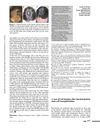
 Adjusting the medication tacrolimus resolved a boy's red nail beds after a stem cell transplant.
 February 2025 in “Plastic and Aesthetic Research”
 Minoxidil and finasteride effectively promote hair regrowth within 3 months.
 6 citations
,
June 2013 in “British Journal of Dermatology”
6 citations
,
June 2013 in “British Journal of Dermatology” Intense pulsed light treatment mainly damages pigmented hair parts but spares stem cells, allowing hair to regrow.
 9 citations
,
August 2013 in “Journal of Tissue Engineering and Regenerative Medicine”
9 citations
,
August 2013 in “Journal of Tissue Engineering and Regenerative Medicine” Transplanted baby mouse skin cells grew normal hair using a new, efficient method.
 December 1989 in “The Journal of Dermatologic Surgery and Oncology”
 New techniques and findings in dermatologic surgery show improved pain management, safer liposuction, better hair transplantation, and effective treatments for skin conditions.
 129 citations
,
May 2015 in “Cell Stem Cell”
129 citations
,
May 2015 in “Cell Stem Cell” Different types of stem cells exist within individual skin layers, and they can adapt to damage, transplantation, or tumor growth. These cells are regulated by their environment and genetic factors. Tumor growth is driven by expanding, genetically altered cells, not long-lived mutant stem cells. There's evidence of cancer stem cells in skin tumors. Other cells, bacteria, and genetic factors help maintain balance and contribute to disease progression. A method for growing mini organs from single cells has been developed.
92 citations
,
September 2013 in “Journal of Investigative Dermatology” BMAL1 and Period1 genes can influence human hair growth.
January 2026 in “Journal of Investigative Dermatology” Special cells can help regrow hair in alopecia areata.
4 citations
,
May 2025 in “Life” 3D bioprinting shows promise for better skin regeneration by creating structures similar to natural skin.
Understanding hair anatomy and growth is key to treating hair loss.