 1 citations
,
November 2023 in “Biomaterials advances”
1 citations
,
November 2023 in “Biomaterials advances” Sponges made of soy protein and β-chitin with human cells from hair or fat can speed up healing of chronic wounds.
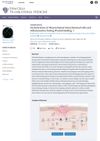 July 2023 in “Stem Cells Translational Medicine”
 Mesenchymal Stem/Stromal Cells (MSCs) help in wound healing and tissue regeneration, but can also contribute to tumor growth. They show promise in treating chronic wounds and certain burns, but their full healing mechanisms and potential challenges need further exploration.
89 citations
,
April 2020 in “Advanced Healthcare Materials” MSC-laden hydrogels enable scarless wound healing with hair growth.
November 2025 in “Informatica” The method greatly improves low-light sports images' quality and reduces artifacts.
51 citations
,
March 2019 in “Experimental Dermatology” Matrix changes and increased MMPs contribute to skin inflammation in hidradenitis suppurativa.
A rare genetic mutation causes Woodhouse-Sakati syndrome symptoms.
1 citations
,
July 2024 in “JCEM Case Reports” A new genetic variant of Woodhouse-Sakati syndrome was found in two adult sisters in Russia.
 1 citations
,
April 2017 in “Journal of Investigative Dermatology”
1 citations
,
April 2017 in “Journal of Investigative Dermatology” A new one-step test can quickly identify skin cancer during surgery.
 April 2019 in “Journal of Investigative Dermatology”
 The search scheme SMRI is faster and more secure for retrieving encrypted data from the cloud.
28 citations
,
June 2020 in “ACS Biomaterials Science & Engineering” The new ECM patch greatly improves wound healing and tissue regeneration.
 18 citations
,
February 2022 in “Cell Death Discovery”
18 citations
,
February 2022 in “Cell Death Discovery” ECM1-modified stem cells can effectively treat liver cirrhosis.
4 citations
,
December 2021 in “Journal of clinical laboratory analysis” A new mutation in the DCAF17 gene was found to cause Woodhouse-Sakati syndrome in a large family.
2 citations
,
July 2025 in “Analytical Chemistry” The method effectively images and correlates elements and metabolites in tissue samples at a micron scale.
2 citations
,
January 2016 in “Experimental Dermatology” HS needs personalized treatment plans and more research.
 1 citations
,
August 2021 in “Canadian journal of neurological sciences”
1 citations
,
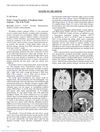
August 2021 in “Canadian journal of neurological sciences” Woodhouse-Sakati syndrome can cause writer's cramp and other varied symptoms, highlighting the importance of genetic testing for diagnosis.
 1 citations
,
June 2022 in “Chinese medical journal/Chinese Medical Journal”
1 citations
,
June 2022 in “Chinese medical journal/Chinese Medical Journal” Two new mutations in the CDH3 gene cause hair loss and vision problems in a young girl.
August 2025 in “Stem Cells” A systems biology approach helps improve mesenchymal stromal cell therapies by mapping interactions and identifying treatment targets.
10 citations
,
September 2021 in “American Journal of Medical Genetics Part A” Woodhouse-Sakati syndrome shows varied symptoms, including hair loss and diabetes, and is common in Qatar due to a specific genetic variant.
14 citations
,
April 2021 in “International journal of molecular sciences” Mesenchymal stem cells may help treat hair loss by improving hair cell growth and reducing inflammation.
January 2026 in “Western Journal of Nursing Research” Hair cortisol levels don't reliably indicate chronic stress in people with multiple sclerosis.
3 citations
,
June 2019 in “Asian Journal of Medical Sciences” A new method improves stem cell harvest from umbilical cords, reducing time and cost.
 52 citations
,
November 2003 in “Journal of Investigative Dermatology”
52 citations
,
November 2003 in “Journal of Investigative Dermatology” Different harmful mutations in the CDH3 gene cause HJMD, but symptoms vary among individuals.
14 citations
,
March 2018 in “The American journal of case reports” People with the same genetic mutation for Woodhouse-Sakati syndrome can have different symptoms.
1 citations
,
September 2021 in “Frontiers in genetics” A genetic mutation in the DCAF17 gene caused Woodhouse-Sakati syndrome in a Chinese patient from a related family.
2 citations
,
December 2022 in “Bio-Design and Manufacturing” A new portable microscope can effectively monitor skin wound healing in real-time.
 April 2017 in “The journal of investigative dermatology/Journal of investigative dermatology”
 QMSI is a valuable method for studying drug penetration in skin tissues.
 2 citations
,
May 2021 in “Journal of pharmaceutical and biomedical analysis”
2 citations
,
May 2021 in “Journal of pharmaceutical and biomedical analysis” A new method was developed to accurately detect and measure 47 different drug ingredients in various products.
2 citations
,
September 2024 in “Biomedical Research and Therapy” MSCs should be called "master signaling cells" because they mainly help with cell communication and tissue repair.
158 citations
,
December 2002 in “Development” Msx2-deficient mice experience irregular hair growth and loss due to disrupted hair cycle phases.
52 citations
,
May 2015 in “Cytotherapy” DS-MSCs from hair follicles may improve diabetic wound healing.