March 2026 in “Journal of the mechanical behavior of biomedical materials/Journal of mechanical behavior of biomedical materials” Hair cuticles remain stable and resilient under stress due to strong protein content and crosslinking.

New hydrogel sensors can be quickly made and customized for wearable devices.
 2 citations
,
December 2008 in “Journal of Chemical Crystallography”
2 citations
,
December 2008 in “Journal of Chemical Crystallography” The research shows that hydrogen bonds greatly affect the crystal structure of a Finasteride derivative.
11 citations
,
January 2024 in “Regenerative Biomaterials” A new 3D-printed hydrogel scaffold helps regenerate corneas and prevent scarring.
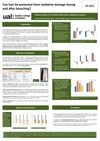 September 2018 in “University of the Arts London Research Online (University of the Arts London)”
 L-arginine, hydrolysed keratin, and cystine-silanol copolymer can help protect hair from damage during and after bleaching.
 17 citations
,
January 1999 in “Journal of Molecular Structure”
17 citations
,
January 1999 in “Journal of Molecular Structure” Finasteride's molecular and crystal structures help develop new drug formulations.
 January 2017 in “Brazilian Journal of Pharmaceutical Sciences”
 Arteannuin might work against cancer and Alzheimer's by targeting neprilysin.
78 citations
,
February 2024 in “ACS Omega” The scaffold is a promising material for wound healing and tissue engineering.
 3 citations
,
July 2017 in “Journal of Molecular Graphics & Modelling”
3 citations
,
July 2017 in “Journal of Molecular Graphics & Modelling” The study found that baicalin has different stable shapes in gas and water, with two shapes better for interacting with positive charges in water.
3 citations
,
January 2002 in “Springer eBooks” Alkaline hair relaxers damage hair, but cationic and non-ionic polymers can help reduce this damage.
 19 citations
,
January 2009 in “International review of cell and molecular biology”
19 citations
,
January 2009 in “International review of cell and molecular biology” Hair's strength and flexibility come from its protein structure and molecular interactions.
 July 2025 in “Scientific Reports”
 Fermented grapeseed oil effectively repairs and protects chemically damaged hair.
March 2021 in “Juniper Online Journal Material Science” Energy healing treatment improved L-cysteine's stability, solubility, bioavailability, and shelf-life.
 October 2024 in “Cosmetics”
 Afro-textured hair needs personalized care due to its unique genetic traits.
 1 citations
,
July 2024 in “International Journal of Dermatology Venereology and Leprosy Sciences”
1 citations
,
July 2024 in “International Journal of Dermatology Venereology and Leprosy Sciences” Cysteine strengthens hair, and glutamine fuels hair growth.
 January 2025 in “Dermatology Research and Practice”
 The treatment effectively repairs and strengthens damaged hair by restoring natural lipids.
 8 citations
,
May 2023 in “Gels”
8 citations
,
May 2023 in “Gels” Chitosan hydrogels are promising for repairing blood vessels but need improvements in strength and compatibility.

Keratin hydrogels from human hair show promise for tissue engineering and regenerative medicine.
 8 citations
,
January 2021 in “Smart materials in medicine”
8 citations
,
January 2021 in “Smart materials in medicine” The new hydrogel is good for wound dressing because it absorbs water quickly, has high porosity, can release drugs, fights bacteria, and helps wounds heal with less scarring.
 May 2024 in “International Journal of Cosmetic Science”
 Disulfide bonds are crucial for hair's strength, especially when wet.
52 citations
,
May 2006 in “Journal of Structural Biology” Keratin-associated proteins help link filaments and affect keratin's strength.
328 citations
,
November 2020 in “Nature Materials” Hydrogel scaffolds can help wounds heal better and grow hair.
12 citations
,
September 2023 in “Polymers” The hydrogel speeds up skin wound healing effectively.
25 citations
,
January 2024 in “International Journal of Nanomedicine” The hydrogel is safe, reduces oxidation, and helps heal wounds effectively.
7 citations
,
May 2024 in “Gels” The new collagen and tannic acid hydrogel effectively stops bleeding and aids tissue repair better than current options.
4 citations
,
January 2020 in “Elsevier eBooks” Natural polymers can protect, repair, and promote hair regrowth.
62 citations
,
August 2023 in “International Journal of Nanomedicine” Pluronic F127-derived hydrogels show promise for effective wound healing and repair.
24 citations
,
October 2019 in “Genes” A new sheep gene, KRTAP36-1, may help breed sheep with better wool by reducing prickle factor.
 41 citations
,
July 2020 in “Colloids and surfaces. B, Biointerfaces”
41 citations
,
July 2020 in “Colloids and surfaces. B, Biointerfaces” Different hair protein amounts change the strength of keratin/chitosan gels, useful for making predictable tissue engineering materials.
 2 citations
,
January 2024 in “Pakistan Veterinary Journal”
2 citations
,
January 2024 in “Pakistan Veterinary Journal” Hydrogels have great potential for improving wound care, drug delivery, and tissue engineering in veterinary medicine.