Search
for
Sort by
Research
330-360 / 1000+ results
research Isoniazid-induced Alopecia: A Rare Entity
Isoniazid can rarely cause hair loss, which is reversible after stopping the drug.
research Progressive hair straightening using an automated flat iron: function of silicones.
The automated flat iron can permanently straighten hair without chemicals, especially at 154°C, and silicone improves the results.
research The effect of treatments on the shear modulus of human hair measured by the single fiber torsion pendulum.
Different treatments change the strength and flexibility of human hair.
research Minoxidil
research Minoxidil
research Minoxidil
research Impact of Personal Care Products on Tensile Strength and Structure of Hair
More research is needed to understand how shampoo chemicals affect hair strength and structure.
research Minoxidil
research Enzymatic synthesis of biosafe hematoxylin dyes on hair: enhanced post-dyeing hair health and boosting color fastness
This eco-friendly hair dye method improves hair health and color durability.

research Hair perming via thiol‐Michael click reaction: A strategy to avoid oxidative damage
A new hair perming method avoids damage and lasts longer than traditional methods.

research 1310 Anti-aging effects of retinoid hydroxypinacolone retinoate on skin models
Hydroxypinacolone retinoate is a potent anti-aging ingredient for skin that is more effective and less irritating than other forms of retinoids.

research TO FORMULATE A HERBAL HAIR SMOOTHING/STRAIGHTENING CREAM USING NATURAL INGREDIENTS AND EVALUATE ITS EFFECTIVENESS ON HAIR TEXTURE
The herbal cream effectively smooths and straightens hair safely.

research Minoxidil-Induced Hypertrichosis
Minoxidil causes excessive hair growth, but depilatory agent removes it safely and effectively.

research Structural analysis of human hair fibers under the ultra‐high voltage electron microscope
Human hair structure varies by ethnicity, and certain treatments can improve hair condition and appearance.
research A comparison of dyeing efficacy between hair‐oxidation‐based and hair‐coating‐based shampoos for the treatment of gray hair
Hair-coating shampoos dye better initially, but hair-oxidation shampoos keep color longer and may damage hair more.
research Antibacterials/corticosteroids/minoxidil
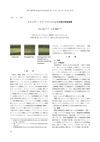
research Restoration Mechanism of Hair Using Hematin as Treatment Agent
Hematin in shampoo helps repair and straighten damaged hair.
research Nearly complete hair re-pigmentation in an older patient treated with hydroxyurea for essential thrombocytosis
Hydroxyurea treatment unexpectedly restored hair color from gray to dark brown in an older woman.
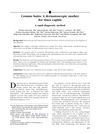
research Comma hairs: A dermatoscopic marker for tinea capitis
Comma hairs are a specific sign of tinea capitis when viewed with videodermatoscopy.

research Clinico-epidemiological and Mycological Aspects of Tinea Incognito in Iran: A 16-Year Study
Tinea incognito in Iran commonly affects adults and mimics other skin conditions.

research Inflammatory tinea capitis mimicking dissecting cellulitis in a postpubertal male: a case report and review of the literature
A young man was initially misdiagnosed with a scalp condition but was found to have a fungal infection, which improved with antifungal treatment.

research Nano-spanlastics-loaded dissolving microneedle patches for ketotifen fumarate: advanced strategies for allergic conjunctivitis treatment and molecular insights
The microneedle patches effectively treat allergic conjunctivitis with controlled, sustained release of medication.
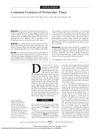
research Common Features of Periocular Tinea
Ringworm around the eyes often gets misdiagnosed, leading to eyelash loss, but antifungal treatment can improve the condition.

research A Case of Kerion Celsi Caused by Microsporum gypseum (Arthroderma gypseum ) in a Child
A 10-year-old boy recovered from a scalp infection caused by a fungus after treatment with itraconazole.

research Signal transducer and activator of transcription 5B deficiency due to a novel missense mutation in the coiled-coil domain
A boy's growth and immune problems were caused by a new mutation in the STAT5B gene.

research Hair loss
Hair loss has many causes and treatments, and losing some hair daily is normal; proper diagnosis is key, and minoxidil can help treat it.

research Tinea capitis due to Trichophyton soudanense mimicking bacterial folliculitis
A man's scalp infection, mistaken for bacterial, was actually a rare fungal infection treated successfully with antifungal medication.

research Shampoo Formulation
Shampoos clean hair mainly with surfactants and have added ingredients for extra benefits.
research Disorders of the Hair and Scalp in Children
The document concludes that various hair and scalp disorders in children have specific treatments and proper diagnosis is essential.