 7 citations
,
January 2010 in “Animal”
7 citations
,
January 2010 in “Animal” Angora goat hair grows faster and produces more protein than cashmere goat hair, and certain hormones and nutrients positively affect hair growth and protein synthesis.
19 citations
,
January 2020 in “Journal of Biophotonics” A PEG-400/oleic acid mixture best improves drug delivery monitoring through hair follicles.
 2 citations
,
May 2021 in “Journal of pharmaceutical and biomedical analysis”
2 citations
,
May 2021 in “Journal of pharmaceutical and biomedical analysis” A new method was developed to accurately detect and measure 47 different drug ingredients in various products.
34 citations
,
October 1975 in “Biochimica et Biophysica Acta (BBA) - Nucleic Acids and Protein Synthesis”  April 2025 in “Biomacromolecules”
 Hyaluronic acid microneedles with herbal extracts may help regrow hair.
25 citations
,
May 2019 in “Cosmetics” 18-MEA and cationic surfactants can restore and maintain hair's hydrophobic nature, improving its beauty and feel.
 January 1974 in “Nippon Nōgei Kagakukaishi/Nihon Nougei Kagakkaishi”
 Applying L-methionine and L-serine to the skin promotes the most hair growth.
 September 2024 in “Polish Journal of Public Health”
 Prescription tablets treat hirsutism, while over-the-counter foams treat hypertrichosis.
 5 citations
,
July 2020 in “JAMA Dermatology”
5 citations
,
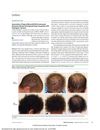
July 2020 in “JAMA Dermatology” Minoxidil solution applied twice daily improved hair growth in patients with Woolly Hair/Hypotrichosis due to LIPH gene issues, with mild side effects.
 March 2010 in “International Journal of Cosmetic Science”
 Disulfide bonds affect the melting behavior of hair's crystalline structure, but hair retains some stability even after these bonds are broken.
3 citations
,
January 1982 in “Australian journal of biological sciences” Ethionine significantly inhibits wool growth in sheep but not hair growth in mice or rats.
 August 2025 in “International Journal of Contemporary Pediatrics”
 HLD10 can include increased body hair and Mongolian spots.
September 2008 in “Pediatric Rheumatology” Two children with lysinuric protein intolerance showed symptoms similar to lupus.
 11 citations
,
January 2015 in “Skin pharmacology and physiology”
11 citations
,
January 2015 in “Skin pharmacology and physiology” Eating collagen peptides may help with skin and hair growth.
 1 citations
,
May 2025 in “Scientific Reports”
1 citations
,
May 2025 in “Scientific Reports” Sex hormones do not cause oral lichen planus.
22 citations
,
January 1990  16 citations
,
October 2003 in “Journal of applied polymer science”
16 citations
,
October 2003 in “Journal of applied polymer science” 2-iminothiorane hydrochloride improves hair waving permanence without damage.
The hydrogel with 20% Hibiscus rosa-sinensis extract was the best for potential therapeutic use.
18 citations
,
May 2024 in “Pharmaceutics” Improved delivery systems can enhance oleanolic acid's effectiveness in treating various conditions.
34 citations
,
July 1958 in “Biochimica et Biophysica Acta” September 2025 in “Indian Journal of Dermatology” A Turkish woman has a hair condition caused by a LIPH gene mutation.
37 citations
,
January 1993 in “Journal of Investigative Dermatology”  January 2006 in “Journal of Society of Cosmetic Chemists of Japan”
 The new hybrid polymer improves dyed hair's color, feel, and manageability.
 9 citations
,
March 2022 in “Terapevticheskii arkhiv”
9 citations
,
March 2022 in “Terapevticheskii arkhiv” Human placenta hydrolysates help treat various diseases and aid healing.
January 1995 in “Journal of the Society of Cosmetic Chemists” Transglutaminase does not modify human hair.
15 citations
,
October 1999 in “British Journal of Dermatology” Collagen remodeling is more active during hair growth stages.
 87 citations
,
July 2007 in “British Journal Of Nutrition”
87 citations
,
July 2007 in “British Journal Of Nutrition” Lactococcus lactis strain H61 may reduce some ageing symptoms.
 January 2025 in “The Analyst”
 Calcium oxalate was found in human hair and could help detect certain health conditions.

New hydrogel sensors can be quickly made and customized for wearable devices.
 2 citations
,
August 2023 in “Marine drugs”
2 citations
,
August 2023 in “Marine drugs” Collagen from tilapia scales may improve hair and skin health by reducing stress and inflammation and encouraging hair growth.