November 2022 in “Journal of Investigative Dermatology” ILC1-like cells can cause alopecia areata by affecting hair follicles.
October 2018 in “The American journal of gastroenterology” Pembrolizumab can cause serious liver issues, requiring close monitoring and early treatment.
 39 citations
,
January 2013 in “Indian Journal of Dermatology, Venereology and Leprology”
39 citations
,
January 2013 in “Indian Journal of Dermatology, Venereology and Leprology” Eating high glycemic foods and drinking milk may worsen acne by increasing insulin and IGF-1 levels.
 June 2020 in “Annals of the Rheumatic Diseases”
 Patients need better information about the risks of long-term steroid use.
3 citations
,
January 2015 in “Indian journal of paediatric dermatology” Oral isotretinoin temporarily improved skin symptoms in a child with IFAP syndrome.
 June 2022 in “bioRxiv (Cold Spring Harbor Laboratory)”
 ILC1-like cells can cause alopecia areata by attacking hair follicles.
 October 2024 in “Journal of the Endocrine Society”
 A woman experienced fluctuating thyroid conditions and eye disease, but her symptoms improved with treatment.
June 2016 in “Journal of Coastal Life Medicine” The terrier dog with pituitary-dependent hyperadrenocorticism was successfully treated with mitotane.
6 citations
,
August 2008 in “Journal of Paediatrics and Child Health” A gluten-free diet resolved a girl's symptoms, revealing undiagnosed Coeliac disease as the cause.
4 citations
,
March 2011 in “European Journal of Dermatology” Trauma can cause fat inflammation and abnormal hair growth.
 34 citations
,
March 2015 in “Clinical and Experimental Dermatology”
34 citations
,
March 2015 in “Clinical and Experimental Dermatology” People with pemphigus are more likely to have conditions like hypothyroidism, inflammatory bowel disease, and diabetes.
 1 citations
,
February 2025 in “Journal of Endocrinological Investigation”
1 citations
,
February 2025 in “Journal of Endocrinological Investigation” Screen young women with menstrual issues, acne, or excess hair for high cortisol to avoid misdiagnosis.
1 citations
,
October 2025 in “Journal of Dermatological Treatment” Dupilumab improves eczema in Netherton Syndrome but not ichthyosis linearis circumflexa.
 October 2021 in “Journal of Investigative Dermatology”
 COVID-19 infection rates were low in patients with immune diseases, regardless of their treatment type.
 16 citations
,
August 2011 in “Annals of Allergy Asthma & Immunology”
16 citations
,
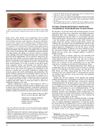
August 2011 in “Annals of Allergy Asthma & Immunology” A woman with severe angioedema improved significantly after treatment with rituximab.
 12 citations
,
January 2005 in “Pediatric Dermatology”
12 citations
,
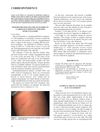
January 2005 in “Pediatric Dermatology” Fox Fordyce disease might be more common in prepubertal girls than thought and can be managed with treatment.
 114 citations
,
April 2004 in “International Journal of Dermatology”
114 citations
,
April 2004 in “International Journal of Dermatology” Postinflammatory hyperpigmentation causes dark skin patches and needs personalized treatment.
 28 citations
,
October 2004 in “Differentiation”
28 citations
,
October 2004 in “Differentiation” A gene deletion causes the "hairless" trait in Iffa Credo rats.
January 2026 in “IECCMEXICO” Chronic inflammatory skin disorders are caused by immune system problems, not just skin issues.
 1 citations
,
December 1997 in “Journal of The European Academy of Dermatology and Venereology”
1 citations
,
December 1997 in “Journal of The European Academy of Dermatology and Venereology” All women with significant unwanted hair growth have hormonal imbalances, often from polycystic ovary syndrome.
2 citations
,
July 2016 in “Veterinary dermatology” Hyperaesthetic leucotrichia in horses causes painful, recurring skin lesions and hair color changes, especially in Arabian and American paint horses.
 February 2025 in “American Journal of Biomedical Science & Research”
 A rare combination of hair loss and excessive fine hair growth was found in celiac disease patients.
 September 2022 in “Curēus”
 The removed ovarian tumor was a rare type of blood vessel tumor that improved the patient's symptoms and hormone levels after surgery.
June 2002 in “Current obstetrics and gynaecology/Current obstetrics & gynaecology” Hirsutism, excessive hair growth in women, often caused by high androgen levels and polycystic ovary syndrome, can be treated with medication and weight management.
 1 citations
,
October 2018 in “International Journal of Research in Dermatology”
1 citations
,
October 2018 in “International Journal of Research in Dermatology” Most women with excessive hair growth in South India have hirsutism without a known cause, with common facial hair growth and some showing hormonal imbalances and polycystic ovaries.
 3 citations
,
April 2019 in “The journal of investigative dermatology/Journal of investigative dermatology”
3 citations
,
April 2019 in “The journal of investigative dermatology/Journal of investigative dermatology” ILC1 cells contribute to hair loss in alopecia areata.
97 citations
,
March 2006 in “Journal of Investigative Dermatology” Mutations in the DSG4 gene cause a severe form of brittle hair and skin issues.
 16 citations
,
January 2012 in “Indian Journal of Endocrinology and Metabolism”
16 citations
,
January 2012 in “Indian Journal of Endocrinology and Metabolism” The document suggests that there might be an autoimmune link between polycystic ovary syndrome and Graves' disease.
September 2019 in “The journal of investigative dermatology/Journal of investigative dermatology” Certain proteins are significantly increased in the skin of people with hidradenitis suppurativa.
October 2025 in “Journal of the Endocrine Society” Goserelin injections can effectively manage hyperandrogenism symptoms in postmenopausal women who can't have surgery.