Search
for
Sort by
Research
780-810 / 1000+ results
research Androgens and hair growth
Androgens can both increase and decrease hair growth in different parts of the body.
research Androgen Profiling by Liquid Chromatography–Tandem Mass Spectrometry (LC-MS/MS) in Healthy Normal-Weight Ovulatory and Anovulatory Late Adolescent and Young Women
The research found that anovulatory young women have higher androgen and hormone levels than those who ovulate, suggesting immature hormonal regulation rather than a specific condition.
research Markers of hyperandrogenism in South Asians with polycystic ovary syndrome
The FG score is better at detecting hyperandrogenism in PCOS patients than testosterone levels or FAI, but testosterone is the recommended test for diagnosis.
research Gynecologic and andrologic dermatology and the metabolic syndrome
Skin diseases linked to insulin resistance should be managed to prevent diabetes and reduce heart disease risk.
research Association of Androgenetic Alopecia with Metabolic Syndrome
People with androgenetic alopecia are more likely to have metabolic syndrome.
research Patients With a Large Prostate Show a Higher Prevalence of Androgenetic Alopecia
Large prostates link to more hair loss.

research Chapter-02 Androgenic Alopecia and Hirsutism
Hair loss is mainly due to genes and hormones, and can be treated with minoxidil and finasteride. Excessive hair growth is linked to certain disorders and can be managed with hormonal therapy and laser hair removal.
research Effects of anabolic-androgenic steroids on the pilosebaceous unit.
Anabolic-androgenic steroids can cause skin issues like acne and oily skin by enlarging oil glands and changing skin oils.
research Targets to treat androgen excess in polycystic ovary syndrome
The conclusion is that while oral contraceptive pills are effective for PCOS-related high androgen levels, new treatments with fewer side effects are needed.
research Visual Diagnosis: An Adolescent Female Who Has Increasing Hair Growth
The girl has a hormonal imbalance causing increased hair growth and other male characteristics.
research The Transgender: Endocrinological Assessment
The document concludes that personalized hormonal treatments are important for transgender individuals and more research is needed for non-binary treatments.
research Urinary Androgens Provide Additional Evidence Related to Metabolism and Are Correlated With Serum Androgens in Girls
The research found that measuring androgens in urine can give extra information about body metabolism and is linked to androgen levels in the blood, especially in young girls.
research [Androgenetic alopecia].
research Anti-Müllerian Hormone and Polycystic Ovary Syndrome in Women and Its Male Equivalent
High AMH levels are linked to PCOS in women and may have a male equivalent with similar traits.

research Endocrine-skin interactions
Hormone imbalances can cause specific skin changes, which may help in early detection of endocrine disorders.
research Androgen deprivation therapy and hormonal status in men with COVID-19
Hormonal status from androgen deprivation therapy may affect COVID-19 severity in men.
research Андрогенный статус у пациентов с андрогенетической алопецией
Men with male pattern baldness may not have different hormone levels, but their hair follicles are likely more sensitive to hormones.
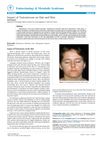
research Impact of Testosterone on Hair and Skin
Testosterone can cause acne and male-pattern baldness, affects hair growth in men and women, and makes male skin more sensitive.
research Obesity and hyperandrogenism are implicated with anxiety, depression and food cravings in women with polycystic ovary syndrome.
Managing emotional distress, obesity, insulin resistance, and high male hormones is crucial for improving well-being in women with PCOS.
research An Adult With Hair Loss! a Rare Case of Non-Classical 3β Hydroxysteroid Dehydrogenase (3β HSD) Deficiency
A woman's hair loss and other symptoms were due to a rare hormone deficiency treatable with steroids.
research A prospective cross sectional observational study on prevalence of clinical manifestations and hormonal abnormalities associated with polycystic ovarian disease
Many women with polycystic ovarian disease show symptoms like excessive hair growth, acne, hair loss, and have high levels of certain hormones.
research The SAHA Syndrome
SAHA syndrome links oily skin, acne, excess hair, and hair loss in women, similar to PCOS.
research Anti-androgen therapy in dermatology: a review
Anti-androgens are effective for female acne but less so for male-pattern hair loss, with side effects similar to birth control pills.
research Androgenetic alopecia
research Prostate Specific Antigen in Different Dermatoses Associated with Polycystic Ovary: Review Article
PSA might help diagnose PCOS and related skin issues, but more research is needed.
research Hirsutism: Diagnosis and Treatment
The document concludes that hirsutism can be managed with various treatments tailored to the individual, potentially improving quality of life.

research Androgens and androgen receptor action in skin and hair follicles
Male hormones and their receptors play a key role in hair loss and skin health, with potential new treatments being explored.
research Evaluating the diagnostic accuracy of androgen measurement in polycystic ovary syndrome: a systematic review and diagnostic meta-analysis to inform evidence-based guidelines
Androgen measurement helps diagnose PCOS, but accuracy varies, needing standard methods.
research Circulating and intraprostatic sex steroid hormonal profiles in relation to male pattern baldness and chest hair density among men diagnosed with localized prostate cancers
Baldness in men with prostate cancer is linked to higher levels of certain sex hormones, but chest hair density is not.