 23 citations
,
January 2001 in “International journal of toxicology”
23 citations
,
January 2001 in “International journal of toxicology” St. John's Wort extract and oil safety in cosmetics is unclear; more data needed on photosensitization, toxicity, and human irritation.
5 citations
,
April 2019 in “Ege Tıp Dergisi” Hypericum perforatum gel helps heal burns effectively.
 June 2026 in “Scientific Reports”
 Hypericin and berberine may help hair growth by activating oxytocin signals.
Reducing nerve growth can help skin regenerate after birth.
January 2011 in “Reactions Weekly” 3 citations
,
July 2018 in “DergiPark (Istanbul University)” Medicinal plants in European Turkey are used to treat skin issues like hemorrhoids, hair loss, burns, acne, and injuries.
 November 2023 in “Turkish journal of botany”
 Türkiye uses many local plants to treat skin problems.
 November 2022 in “The journal of investigative dermatology/Journal of investigative dermatology”
 New imaging technology can show up to 40 different markers in hair loss tissue, helping to understand hair disease better.
 January 2011 in “Reactions Weekly”
 St. John's Wort may reduce the effectiveness of finasteride by increasing its breakdown in the body.
St John’s Wort can change how finasteride works in the body.
January 2026 in “Open MIND” Targeting the PIEZO1 and MLCK axis may offer a new treatment for hair loss.
 February 2026 in “Nature Communications”
 Inhibiting connective tissue sheath contraction may improve hair growth in male pattern baldness.
 December 2018 in “Notulae Botanicae Horti Agrobotanici Cluj-Napoca”
 The journal covers diverse plant science research and is now published online quarterly.
August 2016 in “Journal of the American Academy of Dermatology” The infant likely has Hay-Wells syndrome and needs genetic testing and heart screening.
February 2009 in “Journal of Investigative Dermatology” EGFR is essential for organized skin nerve growth and branching.
 33 citations
,
November 2008 in “European Journal of Pharmaceutical Sciences”
33 citations
,
November 2008 in “European Journal of Pharmaceutical Sciences” St. John's wort increases finasteride metabolism, reducing its effectiveness; use caution when combining them.
 September 2019 in “University of Huddersfield Repository (University of Huddersfield)”
 Nanoemulsions can effectively deliver antiseptic agents deep into the skin.
 April 2019 in “University of Huddersfield Repository (University of Huddersfield)”
 Alopecia causes emotional distress, and better psychological support is needed.
 November 2010 in “Journal of The American Academy of Dermatology”
 The issue concluded that various skin conditions have different effective treatments and factors influencing them.
 127 citations
,
January 2013 in “PLOS ONE”
127 citations
,
January 2013 in “PLOS ONE” Probiotic bacteria improved skin and hair health in aged mice.
 99 citations
,
August 2003 in “Fertility and Sterility”
99 citations
,
August 2003 in “Fertility and Sterility” Too much male hormone is the main cause of Polycystic Ovary Syndrome.
 60 citations
,
February 2010 in “Gynecological Endocrinology”
60 citations
,
February 2010 in “Gynecological Endocrinology” Metformin combined with lifestyle changes improves insulin resistance and reduces testosterone levels in women with PCOS more than lifestyle changes alone.
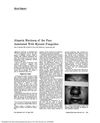 28 citations
,
May 1978 in “Archives of dermatology”
28 citations
,
May 1978 in “Archives of dermatology” Alopecia mucinosa on the face can be linked to mycosis fungoides, a type of lymphoma.
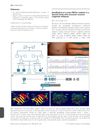 23 citations
,
December 2013 in “British Journal of Dermatology”
23 citations
,
December 2013 in “British Journal of Dermatology” A new gene mutation linked to a skin condition was found in a Spanish family.
 10 citations
,
January 2008 in “Biological and Pharmaceutical Bulletin”
10 citations
,
January 2008 in “Biological and Pharmaceutical Bulletin” t-Flavanone may help hair growth by reducing a specific protein's activity in skin cells.
 7 citations
,
February 2016 in “Dermatology and therapy”
7 citations
,
February 2016 in “Dermatology and therapy” t-Flavanone helps improve male pattern hair loss by making hair roots stronger.
 1 citations
,
September 2018 in “Australasian Journal of Dermatology”
1 citations
,
September 2018 in “Australasian Journal of Dermatology” A boy with GAPO syndrome had hair loss similar to male pattern baldness without hormone issues, possibly due to skin or blood vessel problems.
Recognizing mild or atypical cases of ectodermal dysplasia is crucial for better treatment and future planning.
 March 2024 in “Journal of medicinal plants studies”
 Hibiscus has medicinal benefits but can be toxic in high doses and is unsafe for pregnant women and infants.
 June 2020 in “Journal of Investigative Dermatology”
 More research with diverse participants is needed to determine the effectiveness of photobiomodulation devices for hair loss treatment.