 9 citations
,
May 2005 in “Expert Review of Clinical Immunology”
9 citations
,
May 2005 in “Expert Review of Clinical Immunology” Blocking interferon-gamma might help treat various autoimmune diseases.
 June 2025 in “Animal Bioscience”
 miRNA-24 affects goat coat color by controlling proteins involved in pigment production.
January 2014 in “China Animal Husbandry & Veterinary Medicine” EGF, IGF-I, and IGF-IR genes are crucial for mink skin and hair growth.
 3 citations
,
July 2013 in “Journal of Cutaneous Pathology”
3 citations
,
July 2013 in “Journal of Cutaneous Pathology” A woman's hair loss, resembling an autoimmune condition, improved after treatment, but requires ongoing checks due to potential serious associations.
 4 citations
,
January 2022 in “Yonsei Medical Journal”
4 citations
,
January 2022 in “Yonsei Medical Journal” Microneedles are a promising method for drug delivery, offering efficient and convenient alternatives with fewer side effects.
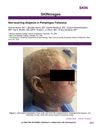 January 2026 in “SKIN The Journal of Cutaneous Medicine”
 Rituximab treatment led to complete hair regrowth and improved skin in a woman with pemphigus foliaceus.
April 2023 in “Journal of Investigative Dermatology” CD8+ T cells attack hair follicle stem cells, causing scarring and hair loss.
 52 citations
,
March 2010 in “British Journal of Dermatology”
52 citations
,
March 2010 in “British Journal of Dermatology” Alopecia areata shows a unique type 1 interferon signature, suggesting potential treatment by targeting this pathway.
 June 2020 in “Annals of the Rheumatic Diseases”
 Patients with Systemic Sclerosis have much higher levels of GDF-15, which could help predict organ involvement and guide treatment.
 April 2016 in “Journal of Investigative Dermatology”
 FOL-005, a new substance, was found to reduce hair growth without toxicity when injected into skin, suggesting it could be used to treat excessive hair growth.
August 2021 in “BMJ Case Reports” A woman with lupus had blood cell destruction, treated successfully with medication.
5 citations
,
June 2012 in “Journal of Investigative Dermatology” A new mouse model for vitiligo helps study immune responses and potential treatments.

Mealworm protein helps fat cell development and may aid in metabolic health and hair growth.
 January 2025 in “Plastic Surgery and Reconstructive Medicine”
 Plasmatherapy improves immune status in vitiligo patients, especially those with segmental vitiligo.
 14 citations
,
May 2013 in “American Journal of Physiology-endocrinology and Metabolism”
14 citations
,
May 2013 in “American Journal of Physiology-endocrinology and Metabolism” Removing myelin protein zero-like 3 in mice leads to better metabolism and resistance to obesity.
MFN2 mutations cause mitochondrial problems, leading to more upper body fat and lower leptin levels.
9 citations
,
April 2019 in “Bioscience, biotechnology, and biochemistry” Ten miRNAs may play key roles in starting secondary hair follicle development in sheep foetuses.
48 citations
,
July 1988 in “PubMed” Rhino mice show significant meibomian gland changes, making them a potential model for studying gland disorders.
 26 citations
,
September 2018 in “Colloids and Surfaces B: Biointerfaces”
26 citations
,
September 2018 in “Colloids and Surfaces B: Biointerfaces” A new liposome treatment helps heal deep burns on mice by improving hair regrowth and reducing scarring.
 6 citations
,
January 2019 in “Medical Hypotheses”
6 citations
,
January 2019 in “Medical Hypotheses” Frontal Fibrosing Alopecia might be an autoimmune disease.
 November 2022 in “Journal of the Endocrine Society”
 Excessive iodine from a cystic fibrosis supplement can cause hypothyroidism.
11 citations
,
October 2014 in “Gene” Researchers identified a new variant of the FGF5 gene in sheep that affects hair length.
January 2025 in “Genetics in Medicine Open” Biotinidase deficiency can mimic neuromyelitis optica and should be considered for accurate diagnosis and treatment.
 11 citations
,
October 2011 in “Allergologia et immunopathologia”
11 citations
,
October 2011 in “Allergologia et immunopathologia” A girl with Netherton syndrome was able to eat wheat without allergies after a special treatment.
27 citations
,
September 2013 in “The FASEB Journal” Losing Memo protein shortens lifespan and affects health.
 2 citations
,
March 2022 in “PubMed”
2 citations
,
March 2022 in “PubMed” Most skin reactions to COVID-19 vaccines in India were mild and not a reason to avoid vaccination.
 September 2023 in “bioRxiv (Cold Spring Harbor Laboratory)”
 Freezing gamma-irradiated amniotic fluid may help hair growth and speed up the growth phase.
200 citations
,
August 2009 in “Experimental dermatology” Eating high-glycemic foods and drinking milk may worsen acne by increasing insulin and IGF-1 levels.
 4 citations
,
June 2022 in “Journal of Cosmetic Dermatology”
4 citations
,
June 2022 in “Journal of Cosmetic Dermatology” Multi-peptide factors from fibroblasts may stimulate hair growth by increasing growth factors and β-catenin in hair cells.
 14 citations
,
September 2018 in “The journal of allergy and clinical immunology/Journal of allergy and clinical immunology/The journal of allergy and clinical immunology”
14 citations
,
September 2018 in “The journal of allergy and clinical immunology/Journal of allergy and clinical immunology/The journal of allergy and clinical immunology” A boy's growth and immune problems were caused by a new mutation in the STAT5B gene.