 5 citations
,
January 2015 in “Skin appendage disorders”
5 citations
,
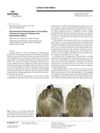
January 2015 in “Skin appendage disorders” Colored hair-thickening fibers can help hide hair loss in some people with Epidermolysis Bullosa but may cause scalp irritation.
January 2017 in “대한미용학회지” The cuticle layer in hair follicles thickens during keratinization due to incomplete cytosol loss.
 November 2025 in “International Journal of Advanced Research”
 Platelet-rich plasma therapy effectively treated laser-induced skin lightening.
 April 2023 in “The journal of investigative dermatology/Journal of investigative dermatology”
 Melanocytes are cells that make skin and hair color and help protect skin from sun damage.
6 citations
,
February 2020 in “Journal of Cutaneous Pathology” Nevus psiloliparus lacks mature hair follicles but keeps other skin structures intact.
July 2025 in “Journal of Investigative Dermatology” Complex basal cell carcinomas need personalized treatment due to unique genetic mutations.
277 citations
,
October 1982 in “The Journal of Cell Biology” Basal-cell epitheliomas and the pilosebaceous tract share a unique keratin, distinguishing them from other skin areas.
5 citations
,
March 2010 in “International Journal of Dermatology” Accurate diagnosis of basaloid follicular hamartoma is crucial to avoid unnecessary treatments.
20 citations
,
November 2004 in “Archives of Pathology & Laboratory Medicine” A rare benign skin growth called melanocytic matricoma was identified in a 69-year-old man.
 31 citations
,
September 2016 in “PLoS ONE”
31 citations
,
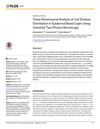
September 2016 in “PLoS ONE” Cell division orientation varies by body site and is linked to epidermal thickness and cell density.
 94 citations
,
October 2017 in “International Journal of Dermatology”
94 citations
,
October 2017 in “International Journal of Dermatology” Lichen planus pigmentosus causes dark skin patches and is treated by avoiding triggers and using anti-inflammatory medications.

Hair follicle-derived sheets can effectively treat vitiligo by repigmenting skin.
1 citations
,
August 2018 in “Dermatologic Surgery”  51 citations
,
May 2021 in “Nature Communications”
51 citations
,
May 2021 in “Nature Communications” High proliferation and cell delamination drive early skin development, while later stages may not rely on cell division orientation.
The PI's development is closely linked to skin and hair pigmentation in macaques.
 3 citations
,
January 2019 in “Advances in stem cells and their niches”
3 citations
,
January 2019 in “Advances in stem cells and their niches” Dermal papilla cells are key for hair growth and color, influencing hair type and size, and their interaction with stem cells could help treat hair loss and color disorders.
157 citations
,
October 2002 in “Journal of Cutaneous Pathology” p63 may influence skin cancer development and cell differentiation.
14 citations
,
May 2022 in “Stem cell reports” The study created hair-bearing skin models that lack a key protein for skin layer attachment, limiting their use for certain skin disease research.
Melanin-rich skin has unique challenges in diagnosing and treating skin diseases.

Hair turning darker can be a sign of skin cancer.
4 citations
,
March 2005 in “Archives of Pathology & Laboratory Medicine” Basal cell carcinoma may originate from vellus hair cysts.
 1 citations
,
March 2024 in “Ophthalmic Plastic and Reconstructive Surgery”
1 citations
,
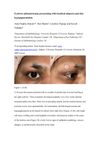
March 2024 in “Ophthalmic Plastic and Reconstructive Surgery” A pilomatrixoma in the eyebrow can cause hair loss and skin lightening.
 81 citations
,
October 2014 in “The journal of investigative dermatology/Journal of investigative dermatology”
81 citations
,
October 2014 in “The journal of investigative dermatology/Journal of investigative dermatology” Certain genes control the color of human hair by affecting pigment production.
September 2024 in “Journal of the American Academy of Dermatology” 9 citations
,
September 2020 in “Journal of cosmetic dermatology” A woman developed vitiligo from repeated eyebrow microblading.
164 citations
,
February 2010 in “Journal of Cell Science” Human dermal stem cells can become functional skin pigment cells.
19 citations
,
November 1985 in “Archives of Dermatology” The newborn's skin blisters healed without scarring, leaving some light spots, and stopped forming after four months.
 July 2025 in “Advanced Science”
 Collagen VI and Semaphorin 3C are important for hair pigmentation and could help treat pigmentation disorders.
Basaloid follicular hamartoma is a rare, benign skin growth often misdiagnosed.
23 citations
,
December 1977 in “Virchows Archiv B Cell Pathology”